

















10 Factors That Can Affect Visa Processing Times
Discover 10 key factors that affect visa processing times and learn how to avoid delays with proper planning, accurate documents, and legal guidance.

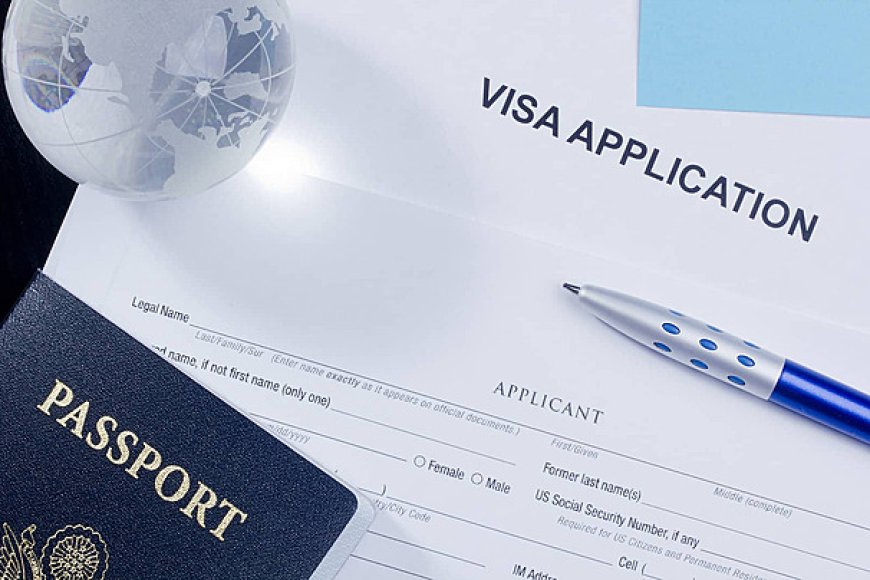
Applying for a visa can be an important step toward pursuing international travel, education, employment, or permanent residency. However, one of the most common concerns applicants face is the uncertainty surrounding visa processing times. While some applications are processed within a few weeks, others may take several months or longer, depending on individual circumstances and the immigration authority handling the case.
Understanding the factors that influence visa processing times can help applicants prepare effectively, avoid preventable delays, and make informed decisions throughout the application process. Here are ten key factors that can affect how long it takes to receive a visa decision.
Factors Influence Visa Processing Times
1. Type of Visa Being Applied For
The category of visa is one of the primary factors determining processing time. Tourist visas, student visas, work permits, family-sponsored visas, and permanent residency applications involve different eligibility requirements and assessment procedures.
For example, a short-term visitor visa may require relatively straightforward documentation, whereas an employment-based or family-based immigration application may involve additional verification, sponsorship requirements, or eligibility assessments. Applicants should review the estimated processing times published by the relevant immigration authority for their specific visa category.
2. Accuracy and Completeness of the Application
Errors, omissions, or inconsistencies in an application can significantly delay processing. Missing documents, incorrect personal information, incomplete forms, or discrepancies between supporting records may prompt immigration officials to request clarification or additional evidence.
Before submitting an application, applicants should carefully review every form and ensure that all required documents are included. Names, dates, employment details, financial information, and travel history should be consistent across the application. A complete and accurate submission can help reduce avoidable administrative delays.
3. Volume of Applications Received
Immigration departments often experience fluctuations in application volumes throughout the year. Peak travel seasons, university admission periods, major international events, and changes in immigration policies can increase the number of applications awaiting review.
When application volumes exceed the processing capacity of an immigration office, waiting times may increase. Even applications that are complete and straightforward can take longer during these periods. Applying well in advance of planned travel or relocation can provide a reasonable buffer against unexpected delays.
4. Country of Application and Processing Office
Visa processing times can vary depending on the country where an application is submitted and the immigration office responsible for reviewing it. Different offices may have varying staffing levels, workloads, administrative procedures, and access to verification resources.
Applications submitted through an embassy, consulate, visa application centre, or online immigration portal may also follow different procedural timelines. Applicants should consult the official guidance for the relevant destination country and processing location rather than relying solely on general estimates.
5. Background and Security Checks
Certain visa applications require background checks to assess an applicant's identity, criminal history, immigration compliance, or potential security concerns. These checks may involve coordination between government departments or agencies in multiple countries.
Processing may take longer if additional verification is necessary or if relevant records are difficult to obtain. A previous immigration violation, criminal record, or inconsistency in the information provided may also lead to further scrutiny. Applicants should provide truthful information and respond promptly to any official requests for clarification.
6. Medical Examinations and Health Requirements
Some visa categories, particularly certain long-term immigration and employment pathways, require applicants to complete medical examinations or provide health-related documentation.
Delays may arise if an examination is not completed on time, medical reports require further assessment, or additional tests are requested. Applicants should confirm whether a medical examination is necessary and use an authorized panel physician or approved medical provider where required by the destination country's rules.
7. Financial Documentation and Proof of Eligibility
Many visa applications require evidence that applicants meet specific financial or eligibility criteria. Depending on the visa category, this may include bank statements, tax records, employment letters, sponsorship documents, proof of income, or evidence of sufficient funds for travel and living expenses.
Incomplete financial records, unexplained transactions, inconsistent income details, or insufficient supporting evidence can trigger additional questions. Preparing clear, current, and verifiable documentation can help immigration officials assess eligibility more efficiently.
8. Requests for Additional Documents or Information
Immigration authorities may request further evidence when the submitted application does not adequately establish eligibility. Such requests can extend processing times because applicants must gather the requested documents and the authorities must review the additional information.
The time required may depend on the complexity of the request, the availability of records, and the applicant's response speed. Applicants should monitor their email, application portal, and official correspondence regularly. Responding within the stated deadline is essential to avoid further delays or possible refusal.
9. Interviews and Appointment Availability
Some visa categories require an interview, biometric enrolment, or an in-person appointment. Limited appointment availability, high demand at visa centres, rescheduling, or failure to attend a scheduled appointment can extend the overall timeline.
Applicants should book required appointments as early as permitted and ensure they understand which documents to bring. It is also important to distinguish between the time needed to secure an appointment and the time required for the immigration authority to make a final decision.
10. Changes in Immigration Policies or Administrative Procedures
Changes to immigration laws, eligibility criteria, application systems, or government procedures can affect processing times. New policy requirements may lead to additional documentation, revised assessment methods, or temporary backlogs while authorities implement changes.
In some circumstances, operational disruptions, staffing shortages, or changes in government priorities may also affect application timelines. Applicants should follow official immigration announcements and seek qualified legal guidance when a policy change could affect their eligibility or pending application.
How Can Applicants Minimize Visa Processing Delays?
Although applicants cannot control every factor affecting visa processing, several practical steps can help reduce avoidable delays:
Apply early: Submit your application well before your intended travel or relocation date.
Check official requirements: Confirm the latest document checklist, fees, and eligibility criteria.
Submit complete information: Review all forms and supporting evidence for accuracy and consistency.
Monitor communications: Check your email and application portal regularly for updates or requests.
Seek professional guidance: Consider consulting an immigration lawyer if your case involves complex eligibility issues, previous refusals, or unusual documentation requirements.
Conclusion
Visa processing times depend on several factors, including visa category, application quality, background checks, administrative workload, and changing immigration requirements. While some delays are beyond an applicant's control, careful preparation and timely responses can help prevent unnecessary complications.
Because processing estimates and requirements vary by country and visa type, applicants should rely on official immigration sources for current information. Where a case involves complex legal issues or prolonged delays, an experienced immigration lawyer can help clarify available options and guide applicants through the relevant procedures.
What's Your Reaction?
 Like
0
 Dislike
0
 Love
0
 Funny
0
 Angry
0
 Sad
0
 Wow
0




