

























9 Questions to Ask Before You Hire a Painting Contractor

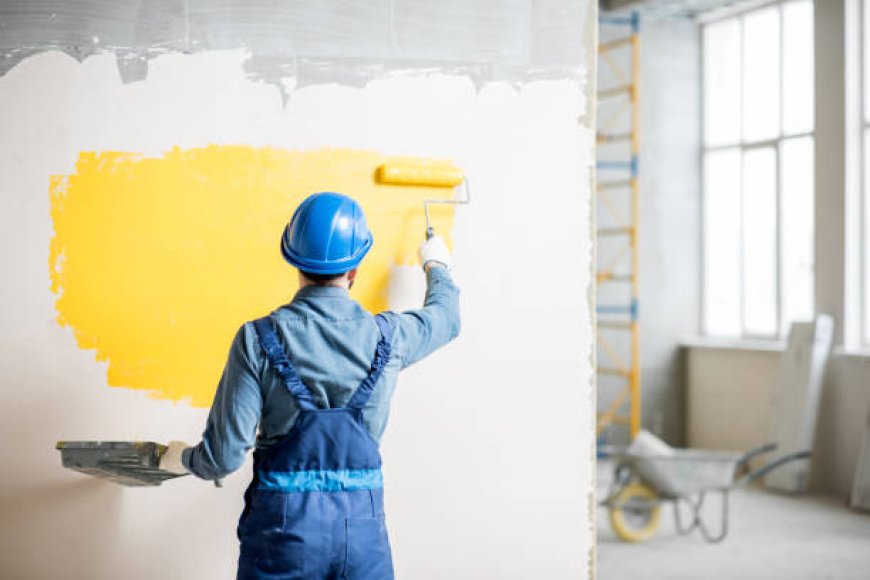
Hiring a painting contractor is one of those decisions where the quality range hidden behind similar looking quotes is enormous. Two companies can bid the same house within a few hundred dollars of each other, and one will deliver a finish that lasts a decade while the other delivers a finish that peels in eighteen months and a company that no longer answers the phone. The difference is rarely visible in the quote’s bottom line. It lives in insurance certificates, preparation standards, crew arrangements, and warranty terms, none of which most homeowners know to ask about. Established companies actually welcome these questions, because reputable painters who have been serving their community for decades win precisely when homeowners compare on substance instead of price alone.
Here are the nine questions that separate professionals from pretenders, along with what a good answer sounds like and which answers should end the conversation.
1. Are You Licensed, Insured, and Covered for Workplace Injuries?
This is the disqualifying question, so ask it first. A professional carries a valid business licence, liability insurance that protects your property if something goes wrong, and workers compensation coverage for their crew. That last item matters more than most homeowners realize: if an uninsured worker is injured on your property, the liability can land on you as the property owner. Do not accept a verbal yes; ask for certificates and verify them. In British Columbia, for example, anyone can confirm a contractor’s workers compensation standing directly through WorkSafeBC (worksafebc.com). A contractor who hesitates, bristles, or offers a discount to skip the paperwork has answered a different question than the one you asked.
2. Exactly What Preparation Is Included in This Quote?
Preparation is where paint jobs are won and where cheap quotes quietly cut. Make the contractor put it in writing: washing, scraping, sanding, priming of bare or repaired areas, caulking, and surface repairs, with each item specified rather than summarized as prep as needed. That vague phrase is the most expensive three words in painting, because it lets a low bidder define needed as almost nothing. When two quotes differ sharply in price, the missing money is nearly always missing preparation, and you will pay it back with interest when the job fails early.
3. What Specific Products Will You Use, and How Many Coats?
A professional will name the brand and product line, not just the brand, because manufacturers make everything from contractor grade economy paint to premium formulations under one label, and the difference is years of service life. The quote should also state the number of coats, since a single heavy coat is the classic way to make a low bid feasible. Two topcoats over appropriate primer is the professional standard for almost every surface, and it should appear in writing.
4. Who Actually Does the Work?
Ask whether the crew consists of the company’s own trained employees or subcontractors, and who supervises the site day to day. Neither model is automatically wrong, but you deserve to know who will be in your home, how experienced they are, and whether the person who impressed you during the estimate has any relationship to the people holding the brushes. High turnover crews of casual labour and quality finishes rarely travel together.
5. Can You Provide Recent, Local, Contactable References?
Photographs show a company’s best work; references reveal its typical work. Ask for two or three local jobs from the past year and actually call them, asking specifically whether the job finished on schedule, whether the site was kept clean, and how the company handled anything that went wrong. That last question is the revealing one, because every contractor eventually has a problem, and the good ones are distinguished by how they respond to it.
6. What Does Your Warranty Cover, in Writing?
A meaningful warranty covers labour and materials against peeling, blistering, and adhesion failure for a defined period, commonly two to five years, and it is written down. Listen for the difference between a warranty and a reassurance. Lifetime guarantees offered verbally by companies with no fixed address are worth exactly the paper they are not written on, while an established local company’s two year written warranty is worth a great deal, because they plan to still be in the community when year two arrives.
7. How Do You Handle Payment?
Professionals ask for reasonable deposits, commonly ten to thirty percent, with the balance due on completion or in staged progress payments on larger jobs. Demands for large upfront payments, or cash only pricing, are among the most reliable warning signs in the trade. Equally telling is the presence of a real written contract covering scope, timeline, price, and change procedures; a company reluctant to write things down is telling you how disputes will go later.
8. How Will You Protect My Home and Handle Cleanup?
The answer reveals the company’s standards in miniature. You want to hear specifics: floors and furniture covered, landscaping protected on exterior work, daily tidying, and complete removal of materials at the end. Crews that are careless with drop cloths are rarely careful with cut lines.
9. Why Is Your Price Different From the Others?
If quotes vary widely, ask each contractor to account for the gap. The professionals will walk you through their preparation scope, product tier, and coat counts without defensiveness, effectively teaching you how to read the other quotes. The pretenders will attack their competitors instead of explaining themselves. By the time all nine questions have been answered, the right choice is usually obvious, and it is frequently not the cheapest number on the table. A company with a long local track record answers all nine before you finish asking, because their business is built on the customers who knew to ask.
Frequently Asked Questions
How many painting quotes should I get before deciding?
Three is the practical standard. It is enough to reveal the market range and expose an outlier bid, without dragging the decision out for weeks. Compare the quotes on preparation scope, products, coats, insurance, and warranty rather than on the bottom line alone.
Is the cheapest painting quote always a bad choice?
Not always, but a quote dramatically below the others is a signal to investigate, because the savings must come from somewhere: preparation, product quality, coat count, insurance, or the crew’s wages. Ask the low bidder to account for the difference in writing, and judge the answer, not the number.
What deposit is normal for a painting job?
Ten to thirty percent is typical, with larger projects sometimes structured as staged progress payments. Be cautious of any contractor requesting half or more upfront, and treat requests for large cash payments without documentation as a serious warning sign.
What should a painting contract include?
The full preparation scope, named products and number of coats, total price and payment schedule, start and completion window, protection and cleanup responsibilities, warranty terms, and how changes will be priced and approved. If it is not written in the contract, it is not part of the job.
What's Your Reaction?
 Like
0
Like
0
 Dislike
0
Dislike
0
 Love
0
Love
0
 Funny
0
Funny
0
 Angry
0
Angry
0
 Sad
0
Sad
0
 Wow
0
Wow
0