




















Types of Biomedical Life Support Systems and Their Role in Healthcare
Biomedical life support systems are an important part of modern healthcare.

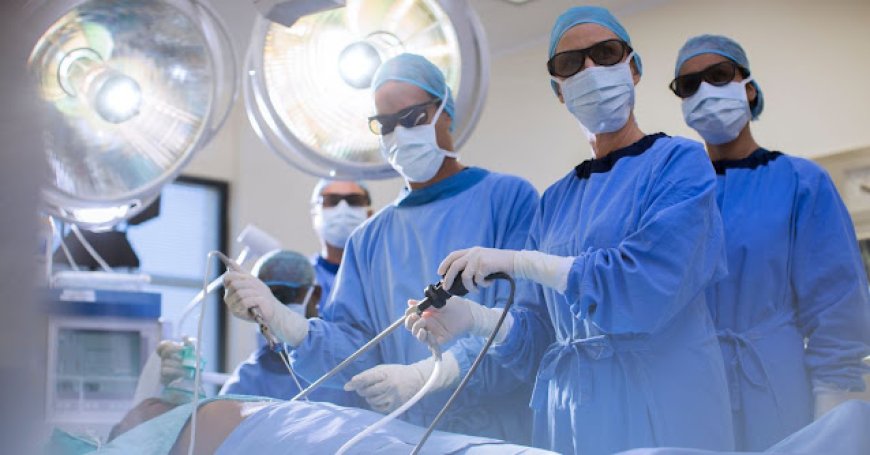
Biomedical life support systems are an important part of modern healthcare. These systems help patients maintain essential body functions during medical emergencies, surgeries, and recovery periods. Hospitals, clinics, and healthcare centers use different types of life support equipment to improve patient care and support treatment outcomes.
As healthcare technology continues to advance, life support systems have become more reliable and efficient. They help healthcare professionals monitor patients, provide respiratory support, and respond quickly to critical situations. Understanding the different types of biomedical life support systems helps explain their importance in saving lives and improving healthcare services.
Understanding Biomedical Life Support Systems
Biomedical life support systems are medical devices designed to support or replace vital body functions when patients cannot perform them naturally. These systems are commonly used in intensive care units, operating rooms, emergency departments, and rehabilitation facilities.
The primary goal of life support equipment is to maintain stable body functions while healthcare professionals diagnose and treat medical conditions. Different systems serve different purposes, but all work together to improve patient safety and recovery.
Modern healthcare depends on these technologies to provide effective treatment for a wide range of medical situations.
Ventilator Systems
Ventilators are one of the most common types of biomedical life support systems. These devices help patients breathe when they cannot do so effectively on their own. Ventilators are often used for patients with severe respiratory illnesses, lung injuries, or during surgical procedures that require assisted breathing.
The ventilator delivers controlled airflow into the lungs and helps maintain proper oxygen and carbon dioxide levels. Healthcare professionals can adjust settings based on the patient's needs, ensuring personalized respiratory support.
Ventilator systems play a critical role in intensive care units and emergency departments. Their ability to provide breathing assistance helps improve survival rates and support patient recovery.
Oxygen Delivery Systems
Oxygen delivery systems are another important category of biomedical life support systems. These devices provide oxygen to patients who require respiratory support due to illness, injury, or surgery.
Among the most widely used oxygen delivery devices are Oxygen Concentrators. These systems draw in surrounding air and separate oxygen from other gases, providing a steady flow of concentrated oxygen to the patient. Unlike oxygen cylinders, Oxygen Concentrators do not require frequent refilling, making them a practical and efficient solution.
Healthcare facilities use Oxygen Concentrators in hospitals, rehabilitation centers, and home healthcare settings. Their ability to provide continuous oxygen support makes them an essential part of modern patient care.
Patient Monitoring Systems
Patient monitoring systems are designed to track important health indicators continuously. These devices provide healthcare professionals with real-time information about a patient's condition.
Monitoring systems typically measure heart rate, blood pressure, oxygen saturation, respiratory rate, and body temperature. This information helps doctors and nurses identify changes in patient health and respond quickly when necessary.
These systems are commonly used in critical care units, emergency rooms, and operating theaters. Continuous monitoring improves patient safety and helps healthcare providers make informed treatment decisions.
The ability to detect problems early is one of the major benefits of patient monitoring systems.
Defibrillator Systems
Defibrillators are life-saving devices used to treat serious heart rhythm problems. They are designed to deliver controlled electrical shocks to the heart when abnormal rhythms occur.
These systems are commonly used during cardiac emergencies such as sudden cardiac arrest. Quick access to a defibrillator can significantly improve survival rates and help restore normal heart function.
Hospitals, ambulances, airports, and public facilities often keep defibrillators readily available because rapid treatment is essential during heart-related emergencies.
Defibrillator systems remain one of the most important types of biomedical life support equipment in emergency medicine.
Infusion Pump Systems
Infusion pumps are medical devices used to deliver fluids, medications, and nutrients directly into a patient's body. These systems provide accurate and controlled delivery, helping healthcare professionals manage treatment effectively.
Infusion pumps are widely used in hospitals and critical care settings. They ensure that patients receive the correct amount of medication at the right time. This level of precision reduces treatment errors and improves patient outcomes.
Many modern infusion pumps include safety features and monitoring capabilities that help healthcare providers maintain high standards of care.
Their reliability and accuracy make them a valuable part of biomedical life support systems.
Suction Systems
Suction systems are designed to remove fluids, mucus, blood, or other materials that may block a patient's airway. Maintaining a clear airway is essential for proper breathing and overall patient health.
These systems are commonly used during surgery, emergency care, and respiratory treatment. Healthcare professionals rely on suction equipment to help patients breathe comfortably and prevent complications.
Suction systems support other life support technologies by helping maintain effective respiratory function. Their role is especially important for patients who cannot clear their airways independently.
Cardiac Support Systems
Cardiac support systems assist patients experiencing heart-related conditions. These devices help maintain proper circulation and support heart function during critical situations.
Examples include external pacemakers and advanced cardiac monitoring equipment. These technologies help healthcare providers monitor heart activity and respond quickly when abnormalities occur.
Cardiac support systems are frequently used in intensive care units, emergency departments, and specialized cardiac care centers. Their ability to support circulation and heart health contributes significantly to patient survival and recovery.
As technology advances, these systems continue to become more accurate and effective.
Importance of Durability and Intuitive Operation
Healthcare environments require equipment that can perform consistently under demanding conditions. This is why durability and intuitive operation are important qualities in biomedical life support systems.
Medical devices often operate continuously for extended periods. Strong construction and reliable components help ensure that equipment remains functional when it is needed most. Equipment failure during critical situations can affect patient care, making reliability a top priority.
At the same time, durability and intuitive operation allow healthcare professionals to use equipment efficiently. Clear displays, simple controls, and user-friendly interfaces reduce training requirements and help medical staff respond quickly during emergencies.
Manufacturers focus heavily on durability and intuitive operation because these features improve healthcare efficiency and patient safety.
Technological Advancements in Life Support Systems
Modern biomedical life support systems continue to evolve through technological innovation. Digital monitoring, automation, and smart connectivity have improved the performance of many medical devices.
Advanced versions of Oxygen Concentrators now offer greater portability and energy efficiency. Monitoring systems provide more detailed patient information, while infusion pumps deliver medications with improved accuracy.
Future developments may include artificial intelligence and remote monitoring capabilities that help healthcare providers manage patient care more effectively. These innovations will continue to strengthen the role of life support systems in healthcare.
As technology advances, healthcare facilities can expect even greater reliability, efficiency, and patient support.
Conclusion
Biomedical life support systems include a wide range of devices that help maintain essential body functions and improve patient outcomes. Ventilators, oxygen delivery systems, patient monitors, defibrillators, infusion pumps, suction devices, and cardiac support equipment all play important roles in modern healthcare.
Among these technologies, Oxygen Concentrators provide reliable respiratory support, while features such as durability and intuitive operation ensure that healthcare professionals can use equipment safely and effectively. As medical technology continues to improve, biomedical life support systems will remain essential tools for delivering high-quality patient care and supporting successful treatment outcomes worldwide.
More info: AMG Medical
What's Your Reaction?
 Like
0
Like
0
 Dislike
0
Dislike
0
 Love
0
Love
0
 Funny
0
Funny
0
 Angry
0
Angry
0
 Sad
0
Sad
0
 Wow
0
Wow
0