



















Does Laser Hair Removal Affect Skin Pigmentation?

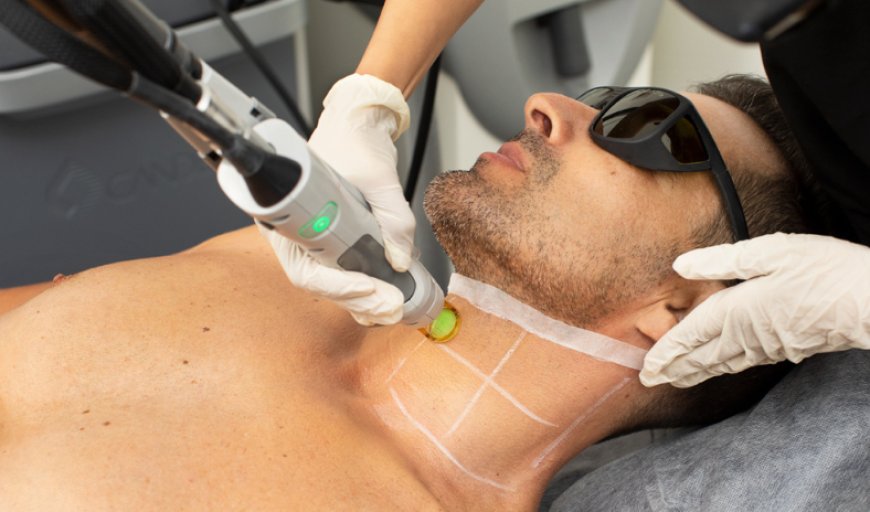
Laser hair removal is widely used to reduce unwanted hair, but its effect on skin tone is an important consideration before starting treatment. For people considering Laser Hair Removal in Dubai, understanding how laser energy interacts with melanin can help set realistic expectations. Dynamic Clinic in Dubai is one option people may explore when learning about this treatment and its suitability for different skin types.
How Does Laser Hair Removal Interact With Skin Pigmentation?
Laser hair removal works by directing concentrated light energy towards the pigment (melanin) in hair follicles. The pigment absorbs the light and converts it into heat, which damages the follicle and reduces its ability to produce new hair.
However, melanin is also present in the surrounding skin. This means the laser may interact with skin pigment, particularly when the settings are not suitable for an individual's complexion.
The likelihood of pigmentation changes depends on several factors, including:
-
Natural skin tone and melanin levels
-
Laser wavelength and energy settings
-
Treatment area and hair thickness
-
Skin sensitivity and previous reactions
-
Exposure to sunlight before or after treatment

Can Laser Hair Removal Cause Dark Spots?
Yes, laser hair removal can sometimes cause temporary or, less commonly, longer-lasting dark spots. This condition is known as post-inflammatory hyperpigmentation (PIH).
PIH occurs when inflammation or irritation triggers increased melanin production in the skin. Following laser treatment, it may appear as small brown or darker patches around the treated follicles.
People with medium to darker skin tones may have a greater tendency to develop post-inflammatory pigmentation because their skin naturally contains more melanin. However, this does not mean they cannot undergo laser hair removal. Appropriate equipment and carefully selected treatment settings can help reduce the risk.
Can Laser Treatment Cause Lighter Patches on the Skin?
Laser hair removal may also cause hypopigmentation, which refers to areas of skin becoming lighter than the surrounding complexion.
This can happen when excessive heat affects the cells responsible for producing melanin. Unlike temporary redness, changes in pigmentation may take longer to resolve and can occasionally become permanent.
Possible signs include:
-
Small white or pale patches
-
Uneven skin tone in the treated area
-
Lighter spots around individual hair follicles
-
Noticeable differences between treated and untreated skin
Although these effects are uncommon, they highlight why proper skin assessment and suitable laser settings are important.
Does Skin Tone Influence Pigmentation Changes?
Skin tone plays an important role in determining how the skin responds to laser energy. The Fitzpatrick skin classification is commonly used to assess how different skin types react to sunlight and their tendency to develop pigmentation.
Darker skin contains more melanin, which can absorb some laser energy intended for the hair follicle. This increases the importance of choosing an appropriate wavelength and energy level.
For example:
-
Fair skin: The contrast between dark hair and lighter skin often makes laser targeting easier.
-
Medium skin: Treatment settings require careful adjustment to limit unwanted heat absorption.
-
Darker skin: Longer wavelengths, such as those used in Nd lasers, may be considered because they can target deeper hair follicles while reducing melanin absorption in the upper skin.
Individual suitability still depends on a professional assessment rather than skin tone alone.
Which Factors Increase the Risk of Uneven Skin Tone?
Several circumstances can increase the possibility of pigmentation changes after laser hair removal.
Recent sun exposure: Tanned skin contains increased melanin, which may absorb more laser energy and become irritated.
Incorrect laser settings: Excessive energy or unsuitable equipment can cause unnecessary heat damage.
Sensitive or irritated skin: Existing inflammation may make the treated area more vulnerable to post-inflammatory pigmentation.
Improper aftercare: Scratching, excessive heat exposure and skipping sun protection can contribute to irritation and uneven skin tone.
Existing pigmentation concerns: People with a history of melasma or post-inflammatory hyperpigmentation may need additional precautions.
How Can You Reduce Pigmentation Risks After Laser Hair Removal?
Following suitable preparation and aftercare instructions can help protect the skin and support a smoother recovery.
Important precautions include:
-
Avoid direct sunlight and tanning before and after treatment.
-
Apply broad-spectrum SPF 30 or higher to exposed areas.
-
Avoid hot showers, saunas and intense exercise immediately after treatment if the skin feels irritated.
-
Do not scratch, rub or pick at treated areas.
-
Use gentle skincare products recommended by your treatment provider.
-
Avoid exfoliating acids and harsh skincare ingredients until the skin has recovered.
A patch test may also help assess how the skin responds before treating a larger area.
When Should You Seek Professional Advice?
Mild redness and temporary sensitivity are common after laser hair removal. However, persistent darkening, unusual light patches, blistering or significant discomfort should not be ignored.
A qualified professional can examine the affected area, determine whether pigmentation changes are present and recommend suitable care. People with existing skin conditions or a history of unusual reactions should discuss these concerns before treatment.
Conclusion
Laser hair removal can affect skin pigmentation in some cases, causing temporary dark spots or lighter patches. These changes are often associated with melanin activity, excessive heat or skin inflammation. Choosing suitable laser technology, adjusting treatment settings to individual skin characteristics and following proper aftercare can help minimise potential complications. Understanding these factors allows individuals in Dubai to make informed decisions about laser hair removal while prioritising skin health and an even complexion.
What's Your Reaction?
 Like
0
 Dislike
0
 Love
0
 Funny
0
 Angry
0
 Sad
0
 Wow
0





