















Does Q-switch Laser Treatment Improve Sun-Damaged Skin?

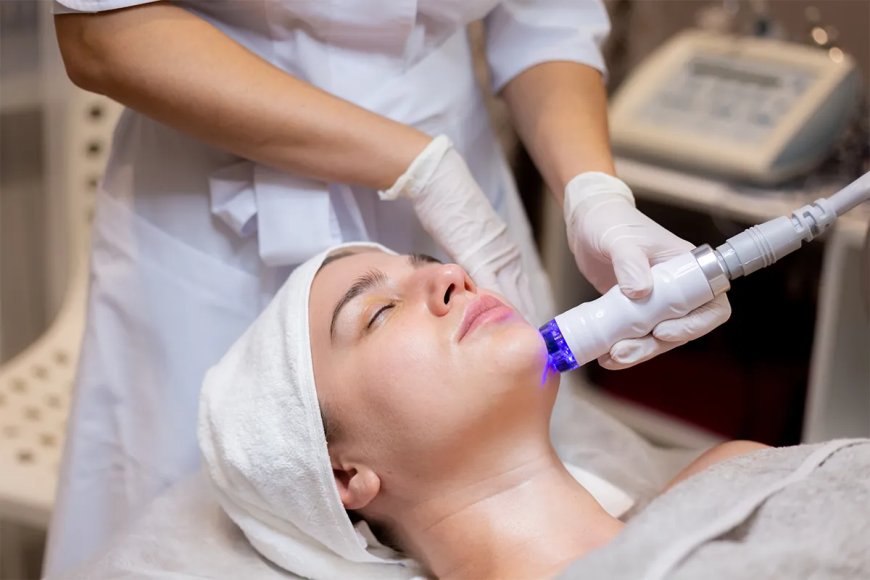
Sun exposure can gradually affect skin tone, texture, and overall appearance, causing pigmentation, dark spots, and uneven complexion. Q-switch Laser Treatment in Dubai is one option people consider for addressing certain pigmentation concerns associated with sun damage. Dynamic Clinic in Dubai highlights this treatment as an option for individuals seeking clearer-looking skin through laser-based procedures.
How Does Sun Exposure Affect the Skin?
Repeated exposure to ultraviolet (UV) radiation can cause visible changes in the skin. UV rays stimulate melanin production, which is the natural pigment responsible for skin colour. When melanin accumulates unevenly, dark spots and patches may develop.
Common signs of sun-damaged skin include:
-
Sunspots: Flat brown or dark spots that often appear on exposed areas.
-
Uneven skin tone: Areas of pigmentation that make the complexion look inconsistent.
-
Freckles: Small pigmented spots that may become more noticeable after sun exposure.
-
Dull appearance: Skin may lose some of its natural brightness.
-
Pigmentation patches: Uneven areas of darker skin caused by increased melanin production.
The face, hands, shoulders, and neck are particularly exposed to sunlight, making them common areas for visible sun damage.
How Does Q-Switch Laser Treatment Target Pigmentation?
Q-switch laser technology uses short, high-intensity pulses of light to target selected pigment deposits in the skin. The laser energy is absorbed by melanin, helping break concentrated pigment into smaller particles.
The body's natural processes gradually remove these fragmented pigment particles. This can make certain dark spots and pigmentation concerns less noticeable over time.
Unlike treatments that rely mainly on surface exfoliation, Q-switch lasers use targeted light energy. The treatment settings can be adjusted according to the pigmentation concern, skin type, and treatment area.
Which Types of Sun Damage Can It Improve?
Q-switch laser treatment may help improve specific pigmentation concerns associated with sun exposure. However, its effectiveness depends on the type, depth, and cause of the pigmentation.
Some concerns that may respond include:
1. Sunspots and Age Spots
Sunspots are flat, brown patches that develop after repeated UV exposure. Q-switch lasers can target the excess melanin responsible for these visible marks, potentially making them lighter.
2. Uneven Skin Tone
When pigmentation appears in different areas of the face, the complexion may look uneven. Targeting selected pigment deposits may help create a more balanced appearance.
3. Freckles
Freckles can become darker or more noticeable after sunlight exposure. Certain types of freckles may respond to laser treatment, although new pigmentation can develop with continued UV exposure.
4. Superficial Pigmentation
Some surface-level pigment concerns may improve when the laser energy is appropriately absorbed by melanin. Deeper pigmentation may require a different treatment approach.
What Results Can Patients Expect?
Results vary according to individual skin characteristics and the nature of the pigmentation. Some people notice gradual improvements after treatment, while others may require multiple sessions.
Several factors influence the outcome:
-
Depth and concentration of pigmentation.
-
Individual skin tone and sensitivity.
-
Type of sun damage being treated.
-
Laser wavelength and treatment settings.
-
Natural skin response and healing process.
-
Consistency of sun protection after treatment.
It is important to understand that Q-switch laser treatment does not reverse every effect of sun exposure. For example, it is not primarily designed to correct deep wrinkles, significant skin laxity, or extensive textural damage.
What Happens During the Treatment?
The procedure generally begins with an assessment of the skin to identify the type and location of pigmentation. The treatment area is cleansed, and protective eyewear is provided.
The laser device delivers controlled pulses of energy to the targeted areas. Patients may experience mild snapping or tingling sensations during the procedure.
After treatment, temporary redness, mild swelling, or darkening of the treated spots may occur. These reactions can vary depending on the settings and individual skin response.
How Can Aftercare Protect the Results?
Proper aftercare helps support skin recovery and reduces the risk of additional pigmentation.
Important recommendations include:
-
Apply broad-spectrum SPF 30 or higher sunscreen daily.
-
Limit direct sunlight, especially during peak UV hours.
-
Avoid tanning and intentional sun exposure.
-
Follow skincare instructions provided by the treating professional.
-
Avoid harsh exfoliants until the skin has recovered.
-
Keep the treated area clean and avoid picking or scratching it.
People living in Dubai should pay particular attention to sun protection because strong UV exposure can contribute to recurring pigmentation.
Is Q-Switch Laser Treatment Suitable for Everyone?
Not every type of pigmentation is suitable for laser treatment. Some conditions, including melasma, can worsen with certain laser procedures, heat, or inflammation. In addition, darker skin tones may have a higher risk of post-inflammatory hyperpigmentation if inappropriate settings are used.
A qualified medical professional should assess suspicious or changing spots before cosmetic treatment. This is important because some skin lesions can resemble ordinary sunspots but require medical evaluation.
Conclusion
Q-switch laser treatment can improve selected signs of sun-damaged skin, particularly sunspots, freckles, and certain forms of excess pigmentation. Its targeted approach helps break down concentrated melanin, allowing the body to gradually clear pigment particles. However, results depend on skin type, pigmentation depth, and treatment suitability. Consistent sunscreen use and appropriate aftercare remain essential for maintaining a more even-looking complexion and reducing further UV-related damage.
What's Your Reaction?
 Like
0
 Dislike
0
 Love
0
 Funny
0
 Angry
0
 Sad
0
 Wow
0



