














Early Signs of Varicose Veins That Most People Ignore

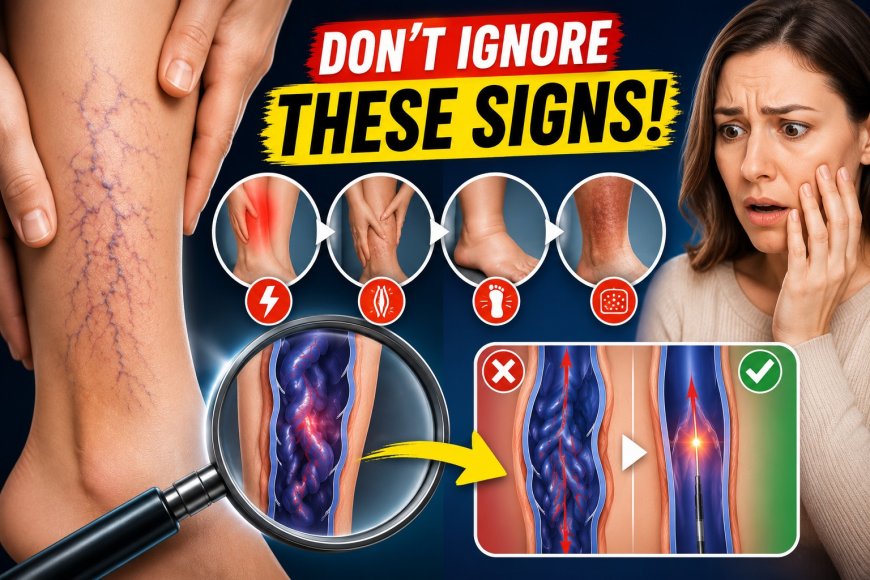
Most people assume varicose veins are only a cosmetic issue. They notice a few visible veins on their legs and dismiss them as a normal part of aging or standing for long hours. However, what many people don't realize is that varicose veins often develop gradually, with subtle warning signs appearing long before large, bulging veins become visible.
Ignoring these early symptoms can allow the condition to worsen over time, leading to discomfort, swelling, skin changes, and even complications such as venous ulcers. Understanding the warning signs can help you seek treatment before the condition progresses. If you're already experiencing symptoms, consulting the best varicose veins doctor in Jaipur can help you identify the condition early and explore effective treatment options.
What Are Varicose Veins?
Varicose veins are enlarged, twisted veins that occur when the valves inside the veins stop functioning properly. These valves are responsible for ensuring blood flows toward the heart.
When the valves weaken or become damaged, blood can pool inside the veins, causing them to enlarge and become visible beneath the skin.
Varicose veins most commonly affect the legs because the veins in the lower body must work against gravity to return blood to the heart.
Why Early Detection Matters?
Many people wait until they see large, rope-like veins before seeking medical attention. Unfortunately, by that stage, the condition has often progressed significantly.
Recognizing symptoms early can:
-
Reduce discomfort
-
Prevent worsening vein damage
-
Improve circulation
-
Lower the risk of complications
-
Make treatment simpler and more effective
The earlier varicose veins are diagnosed, the easier they are to manage.
1. Aching or Heavy Legs
One of the earliest signs of varicose veins is a feeling of heaviness in the legs.
Many people describe it as:
-
Tired legs after standing
-
Aching calves
-
Leg fatigue at the end of the day
-
A dull throbbing sensation
These symptoms often improve after elevating the legs or resting.
Because the discomfort is usually mild at first, many people assume it is simply caused by a busy day or physical activity.
2. Spider Veins
Spider veins are small red, blue, or purple veins that appear close to the skin's surface.
Although spider veins do not always lead to varicose veins, they can be an early indication of underlying vein dysfunction.
They often appear:
-
Around the ankles
-
Behind the knees
-
On the calves
-
Along the thighs
Many patients first notice spider veins months or even years before larger varicose veins develop.
3. Swelling Around the Ankles
Mild swelling is another warning sign that often goes unnoticed.
You may observe:
-
Tight shoes by evening
-
Puffy ankles
-
Swelling after standing for long periods
-
Indentations left by socks
When blood pools in the veins, fluid can leak into surrounding tissues, causing swelling. Many people mistake this symptom for simple fatigue or water retention.
4. Itching Around the Veins
Persistent itching around the lower legs can sometimes signal poor circulation caused by venous insufficiency.
The skin may become:
-
Dry
-
Irritated
-
Sensitive
-
Inflamed
People frequently treat the itching with creams or moisturizers without addressing the underlying vein problem.
5. Leg Cramps During the Night
Nighttime leg cramps are commonly associated with dehydration or muscle strain. However, they can also be an early symptom of varicose veins.
These cramps often occur because poor circulation affects the muscles and surrounding tissues.
If you regularly experience:
-
Calf cramps at night
-
Sudden muscle tightening
-
Restless legs
it may be worth discussing your symptoms with a vein specialist.
6. Burning or Tingling Sensations
Some patients experience unusual sensations in their legs before visible veins appear.
These symptoms may include:
-
Burning
-
Tingling
-
Pins and needles
-
Mild numbness
These sensations can result from increased pressure within affected veins and surrounding tissues.
Because the symptoms are intermittent, they are often ignored.
7. Skin Color Changes
As vein disease progresses, changes in skin color may begin to develop.
The skin around the ankles may become:
-
Brownish
-
Reddish
-
Darker than surrounding skin
These changes occur because blood and fluid accumulate in the tissues.
Early treatment can often prevent further skin damage.
8. Symptoms That Worsen After Standing
A key characteristic of varicose vein symptoms is that they tend to worsen after long periods of standing or sitting.
You may notice:
-
Increased leg heaviness
-
More swelling
-
Greater discomfort
-
Visible veins becoming more prominent
Symptoms often improve when walking or elevating the legs.
This pattern can help distinguish vein-related issues from other conditions.
Who Is Most at Risk?
Several factors increase the likelihood of developing varicose veins:
Age
Vein valves naturally weaken with age.
Family History
Genetics play a major role in vein health.
Prolonged Standing
Jobs requiring long hours on your feet can increase risk.
Obesity
Excess body weight places additional pressure on leg veins.
Pregnancy
Hormonal changes and increased blood volume can contribute to vein problems.
Lack of Physical Activity
Poor circulation is more common in people with sedentary lifestyles.
Modern Treatment Options for Varicose Veins
The good news is that modern treatments are far more advanced than traditional vein surgery.
Depending on the severity of the condition, treatment options may include:
-
Endovenous Laser Therapy (EVLT)
-
Radiofrequency Ablation (RFA)
-
Sclerotherapy
-
Image-guided minimally invasive procedures
-
Compression therapy
These treatments are designed to improve circulation, reduce symptoms, and enhance appearance with minimal downtime.
When Should You See a Specialist?
You should consider professional evaluation if you experience:
-
Persistent leg pain
-
Swelling
-
Visible veins
-
Skin discoloration
-
Frequent leg cramps
-
Heaviness in the legs
Early diagnosis can prevent complications and improve treatment outcomes.
Conclusion
Varicose veins rarely appear overnight. In most cases, the body provides several warning signs long before enlarged veins become obvious. Symptoms such as aching legs, swelling, spider veins, itching, and nighttime cramps are often dismissed as minor inconveniences, allowing the condition to progress unnoticed.
Recognizing these early signs can help you take action before complications develop. If you are experiencing any of these symptoms, seeking timely medical advice may help protect your long-term vein health and improve your overall comfort. For expert guidance, advanced treatment options, and comprehensive vascular care, visit the pain management clinic in Jaipur and learn how modern minimally invasive procedures can help you regain healthier, more comfortable legs.
Frequently Asked Questions
Are spider veins always a sign of varicose veins?
Not always, but they can indicate underlying vein weakness and should be monitored.
Can varicose veins develop without visible bulging veins?
Yes. Symptoms such as heaviness, swelling, and leg pain may appear before veins become visibly enlarged.
Are varicose veins dangerous?
While often not life-threatening, untreated varicose veins can lead to complications including skin changes, ulcers, and chronic discomfort.
Can exercise help prevent varicose veins?
Regular walking and physical activity can improve circulation and help reduce risk.
What is the best treatment for varicose veins?
The most suitable treatment depends on the severity of the condition and should be determined after evaluation by a qualified specialist.
What's Your Reaction?
 Like
0
Like
0
 Dislike
0
Dislike
0
 Love
0
Love
0
 Funny
0
Funny
0
 Angry
0
Angry
0
 Sad
0
Sad
0
 Wow
0
Wow
0