












How Does Skin Type Affect Laser Skin Resurfacing Recovery?

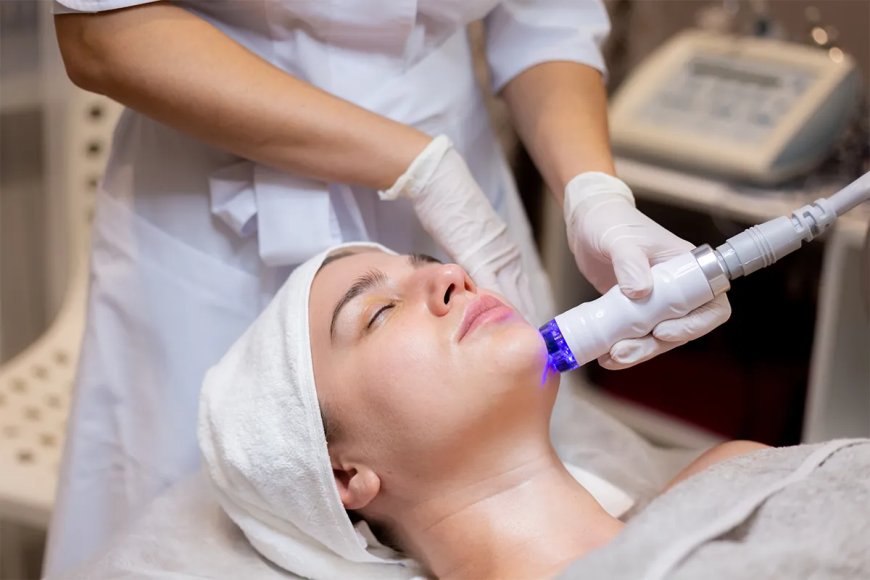
Laser skin resurfacing is a popular skin rejuvenation procedure that helps improve uneven texture, fine lines, acne scars, and pigmentation. However, recovery can vary depending on individual skin characteristics. For people considering Laser Skin Resurfacing in Dubai, understanding how skin type affects healing is important. Dynamic Clinic in Dubai is one of the options people may explore when researching this treatment. Skin tone, sensitivity, natural oil production, and existing skin concerns can all influence how the skin responds after laser treatment.
Why Does Skin Type Matter During Laser Recovery?
Every skin type responds differently to controlled laser energy. The procedure creates a targeted response in the skin, encouraging renewal and collagen production. During recovery, the treated area may experience redness, dryness, peeling, or temporary sensitivity.
Several factors can influence the healing process:
-
Skin sensitivity: Sensitive skin may react with increased redness or irritation.
-
Natural pigmentation: Higher melanin levels can increase the risk of post-inflammatory hyperpigmentation.
-
Oil production: Oily skin may require specific aftercare to maintain skin balance.
-
Skin barrier condition: A weakened skin barrier may take longer to recover.
-
Existing skin concerns: Conditions such as acne, eczema, or rosacea can affect treatment suitability.
Understanding these differences helps professionals select an appropriate laser approach and recovery plan.
How Different Skin Types Respond to Laser Skin Resurfacing
1. Dry Skin
Dry skin often has lower natural oil production and may be more vulnerable to moisture loss after treatment. Laser resurfacing can temporarily increase dryness, tightness, and flaking as the skin renews itself.
A gentle recovery routine is important. Recommended care may include fragrance-free moisturisers, mild cleansers, and avoiding harsh exfoliating products until the skin has healed.
2. Oily and Acne-Prone Skin
Oily skin produces more sebum, which can contribute to clogged pores and breakouts. After laser resurfacing, temporary inflammation and changes in the skin barrier may influence acne activity.
People with acne-prone skin should follow professional aftercare instructions carefully. Heavy skincare products, aggressive cleansing, and early use of active ingredients may increase irritation.
3. Sensitive Skin
Sensitive skin may react more strongly to heat and controlled laser energy. Redness, itching, tightness, and temporary discomfort can be more noticeable during recovery.
A suitable treatment plan should consider the skin's sensitivity before the procedure. Gentle skincare, adequate hydration, and avoiding unnecessary friction can support healing.
4. Combination Skin
Combination skin has both oily and dry areas, which means different parts of the face may respond differently. The cheeks may feel dry or tight, while the forehead and nose may remain oily.
A balanced aftercare routine should address these differences without overloading the skin with multiple products.
Does Skin Tone Affect Laser Resurfacing Recovery?
Skin tone is an important consideration when selecting laser resurfacing treatments. Melanin, the pigment responsible for skin colour, can absorb certain types of laser energy.
People with darker skin tones may have a higher risk of post-inflammatory hyperpigmentation, particularly when treatment settings are not properly selected.
To reduce potential complications, practitioners may consider:
-
Choosing laser technology appropriate for the individual's skin tone.
-
Adjusting treatment intensity and depth.
-
Performing a patch test when appropriate.
-
Allowing sufficient time between treatment sessions.
-
Monitoring pigmentation changes during recovery.
A personalised assessment is especially important for people with medium to deeper skin tones.
What Happens During the Different Stages of Recovery?
Although healing times vary, laser skin resurfacing recovery generally follows several stages.
Early recovery: Redness, warmth, mild swelling, and sensitivity may appear shortly after treatment.
Skin renewal: Depending on the laser type, the treated skin may become dry, peel, or develop temporary roughness as damaged surface cells shed.
Continued healing: Redness gradually improves, and new skin becomes more visible. Collagen remodelling may continue beneath the surface for several weeks or months.
Ablative laser treatments generally require more recovery time than non-ablative procedures because they remove or damage more of the skin's surface.
Essential Aftercare Tips for Different Skin Types
Proper aftercare helps protect the skin barrier and reduces the risk of unwanted reactions.
-
Use gentle skincare: Choose mild cleansers and avoid scrubbing the treated area.
-
Maintain hydration: Apply recommended moisturisers to reduce dryness and tightness.
-
Protect against sunlight: Use a suitable broad-spectrum sunscreen once advised by your practitioner.
-
Avoid active ingredients: Pause retinoids, exfoliating acids, and other irritating products until your skin is ready.
-
Do not pick peeling skin: Allow natural shedding to take place.
-
Follow professional guidance: Attend follow-up appointments and report unexpected symptoms.
People should also avoid excessive heat, swimming, and strenuous activities for the period recommended by their practitioner.
When Should You Seek Professional Advice?
Some redness and sensitivity are expected after laser resurfacing. However, increasing pain, worsening swelling, pus, fever, or signs of infection require prompt medical assessment.
Persistent or worsening pigmentation should also be discussed with a qualified professional. Early evaluation can help identify complications and guide appropriate care.
Conclusion
Skin type plays an important role in laser skin resurfacing recovery. Dry, oily, sensitive, and combination skin can experience different healing responses, while natural pigmentation can influence treatment risks. Choosing suitable laser settings, understanding individual skin characteristics, and following a consistent aftercare routine can support safer healing. A professional skin assessment helps determine the most appropriate treatment approach and realistic recovery expectations.
What's Your Reaction?
 Like
0
 Dislike
0
 Love
0
 Funny
0
 Angry
0
 Sad
0
 Wow
0