








How Is Large Pores Treatment Usually Performed?

Large pores are a common skin concern that can make the complexion appear uneven, especially around the nose, cheeks, and forehead. Large Pores Treatment in Dubai includes skincare methods and professional procedures designed to improve skin texture, manage excess oil, and make pores less noticeable. At Dynamic Clinic in Dubai, understanding the causes of enlarged pores can help individuals explore suitable treatment options based on their skin type, concerns, and skincare goals.
What Happens During Large Pores Treatment?
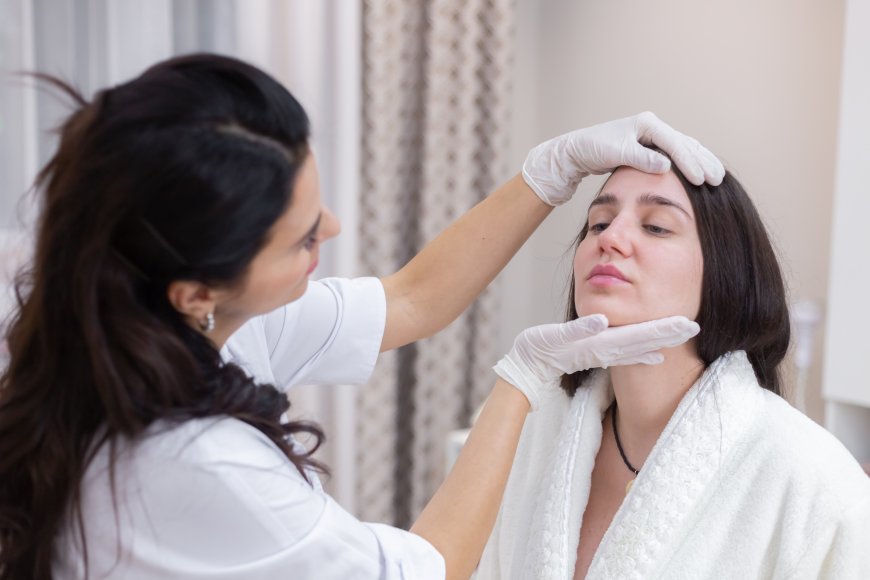
Large pores treatment usually begins with a skin assessment to identify the factors contributing to their appearance. Pores are natural openings that release oil and allow hair to grow. Although their size is influenced by genetics, excess sebum, reduced skin elasticity, and clogged follicles can make them more visible.
A typical treatment plan may involve deep cleansing, exfoliation, topical skincare products, or professional skin procedures. The approach depends on whether the main concern is oily skin, blackheads, uneven texture, or visible signs of ageing.
Step-by-Step Process of Large Pores Treatment
The procedure varies depending on the selected method, but professional treatments generally follow several stages.
1. Skin Assessment and Preparation
A skincare professional examines the skin, paying attention to pore visibility, oil production, sensitivity, acne, and existing skin conditions. The assessment helps determine whether the skin may benefit from exfoliation, laser-based treatment, microneedling, or a combination of approaches.
Before treatment, patients may be advised to:
-
Avoid harsh scrubs and irritating skincare products.
-
Follow instructions about retinoids and exfoliating acids.
-
Inform the professional about medications, allergies, and previous skin procedures.
-
Arrive with clean skin when instructed.
Preparation depends on the procedure and the individual's skin condition.
2. Cleansing and Removal of Surface Impurities
The skin is cleansed to remove makeup, sunscreen, excess oil, and surface debris. Some treatments include gentle exfoliation to loosen dead skin cells that can contribute to clogged pores.
If blackheads or congestion are present, a suitable treatment may help clear blocked follicles. Aggressive squeezing and harsh exfoliation should be avoided because they can cause inflammation, irritation, and post-inflammatory pigmentation.
3. Selection of the Appropriate Treatment
Once the skin is prepared, the chosen procedure is performed according to the treatment plan. Common options include:
Chemical peels: These use carefully selected acids, such as salicylic acid, to exfoliate the skin and help clear clogged pores. The strength and type of peel depend on skin sensitivity and the concern being treated.
Laser skin treatments: Certain laser procedures target skin texture and stimulate collagen remodelling. Depending on the technology, they may help soften the appearance of enlarged pores, fine lines, and uneven skin texture. Not every laser is suitable for every skin type.
Microneedling: This procedure uses fine needles to create controlled micro-injuries in the skin. The healing response supports collagen production, which may improve texture and reduce the visibility of pores over time.
Professional exfoliation: Selected treatments remove accumulated dead skin cells and support smoother-looking skin. The intensity should be adjusted to avoid unnecessary irritation.
These methods work differently, and no single procedure guarantees permanent pore reduction.
4. Post-Treatment Skin Care
After the procedure, the skin may appear slightly red, feel warm, or become temporarily sensitive. The duration of these effects depends on the treatment's intensity and the individual's skin response.
Aftercare commonly includes:
-
Applying a gentle, fragrance-free moisturiser.
-
Using broad-spectrum SPF 30 or higher sunscreen daily.
-
Avoiding direct sun exposure and excessive heat while the skin recovers.
-
Pausing strong exfoliants or retinoids until it is safe to resume them.
-
Following the recommended cleansing routine without scrubbing.
Patients should follow their provider's specific instructions, particularly after laser procedures, chemical peels, or microneedling.
How Long Does It Take to See Results?
Results depend on the treatment method, pore-related concerns, and the skin's natural healing process. Deep cleansing and exfoliation may improve the appearance of congested pores relatively quickly, while collagen-stimulating procedures usually require more time.
Some individuals notice gradual changes over several weeks, and multiple sessions may be recommended. Consistent skincare is important because excess oil, dead skin buildup, and natural ageing can continue to affect pore visibility.
Who May Benefit From Large Pores Treatment?
Treatment may be worth considering for individuals who experience:
-
Visible pores around the nose and cheeks.
-
Oily skin and recurring blackheads.
-
Uneven skin texture.
-
Mild acne-related congestion.
-
Reduced skin firmness associated with ageing.
A professional assessment is particularly important for people with active skin infections, inflamed acne, a history of abnormal scarring, or a tendency to develop pigmentation after inflammation. Certain procedures may need to be postponed or modified.
How Can You Maintain the Results?
A consistent skincare routine can help support smoother-looking skin between professional sessions. Useful habits include cleansing gently twice daily as tolerated, using non-comedogenic moisturisers, and applying sunscreen every morning.
Ingredients such as salicylic acid may help manage clogged pores, while topical retinoids can support cell turnover in suitable individuals. These products should be introduced gradually, especially if the skin is sensitive. Avoid combining multiple strong active ingredients without appropriate guidance, as irritation can make pores appear more prominent.
Conclusion
Large pores treatment is usually performed through a personalised combination of skin preparation, targeted procedures, and appropriate aftercare. Chemical peels, selected laser treatments, microneedling, and consistent home skincare may improve pore visibility by addressing congestion, uneven texture, or reduced collagen support. Choosing the right approach depends on skin type, medical history, and treatment goals. Realistic expectations are essential because pores cannot be permanently eliminated, but their appearance may become less noticeable with suitable care.
What's Your Reaction?
 Like
0
 Dislike
0
 Love
0
 Funny
0
 Angry
0
 Sad
0
 Wow
0