








How Is Scar Laser Removal Performed on the Skin?

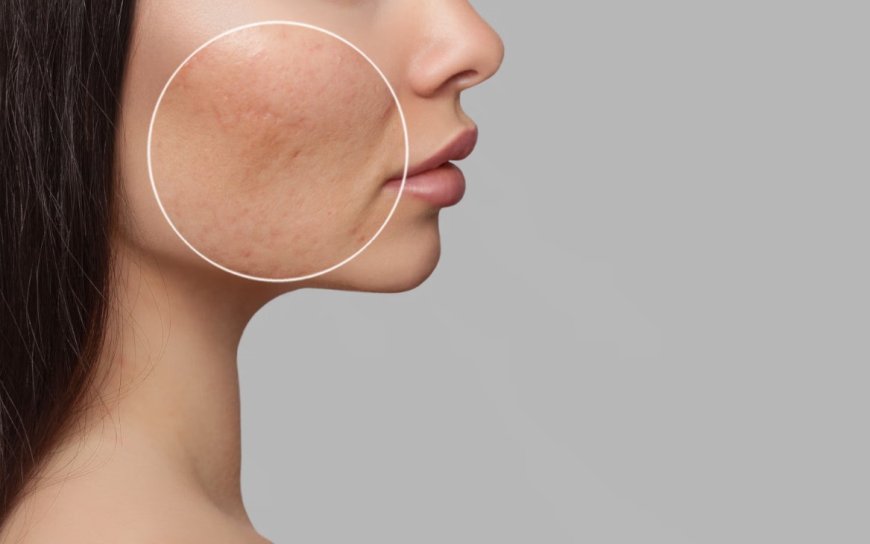
Scars can develop after injuries, surgery, acne, burns, or other skin conditions, sometimes affecting both skin texture and appearance. Modern laser technology offers a targeted approach to improving these concerns. Scar Laser Removal in Dubai is an option for people exploring advanced skin treatments, including those considering services at Dynamic Clinic in Dubai. The procedure uses controlled light energy to target scar tissue, support skin renewal, and encourage a smoother-looking surface.
What Happens to Scar Tissue During Laser Treatment?
Laser scar treatment works by delivering focused light energy into specific layers of the skin. Depending on the technology used, the laser may remove tiny portions of damaged skin or heat deeper tissue without removing the outer surface.
These controlled effects can encourage the body's natural healing response. As the skin repairs itself, collagen production and tissue renewal may help improve the appearance of scars.
The treatment approach depends on several factors, including:
-
Scar depth and size
-
Skin type and pigmentation
-
Scar age and texture
-
Location on the body
-
Previous treatments and healing history
How Is the Skin Prepared Before the Procedure?
Preparation helps make laser treatment safer and allows the practitioner to select an appropriate approach.
Before starting, the treatment area is examined to understand the scar's characteristics. The practitioner may also ask about previous skin treatments, medications, allergies, and any history of abnormal scarring.
Common preparation steps include:
-
Skin assessment: The scar is examined for its depth, colour, thickness, and overall condition.
-
Skin cleansing: Makeup, sunscreen, oils, and other products are removed from the treatment area.
-
Eye protection: Protective eyewear is provided to prevent exposure to laser light.
-
Numbing measures: A topical anaesthetic may be applied when the selected laser procedure requires it.
-
Treatment planning: Laser settings are adjusted according to the skin and scar characteristics.
What Are the Main Steps Involved in Scar Laser Removal?
The actual procedure varies according to the laser technology and the type of scar being treated. However, most treatments follow a structured process.
1. Positioning the Laser Device
The practitioner positions the laser handpiece over the selected area. The device is adjusted to deliver controlled energy to the targeted skin tissue.
2. Delivering Focused Laser Energy
Short pulses of laser energy are directed towards the scar. Depending on the technology, the energy may create microscopic treatment zones, remove damaged surface tissue, or heat deeper layers.
3. Supporting Collagen Remodelling
Certain laser treatments stimulate the skin's natural repair response. This process can encourage collagen remodelling, which may gradually improve uneven texture and the appearance of depressed scars.
4. Cooling and Protecting the Skin
Cooling measures may be used during or after treatment to improve comfort and protect surrounding tissue. The practitioner checks the treated area for immediate skin reactions.
Which Types of Scars Can Benefit From Laser Treatment?
Different scars respond differently to laser technology. Treatment selection depends on the physical characteristics of the scar rather than simply its appearance.
Common scar concerns include:
-
Acne scars: Fractional laser treatments may help improve pitted scars and uneven skin texture.
-
Surgical scars: Certain lasers can reduce visible redness and improve surface irregularities.
-
Injury scars: Treatment may help soften the appearance of selected scars.
-
Hypertrophic scars: Specific laser approaches may help reduce redness and thickness.
-
Discoloured scars: Pigment-targeting lasers may improve certain colour changes.
Raised keloid scars require particular care because they can grow beyond the original injury and may respond differently to treatment.
What Should You Expect Immediately After Treatment?
The skin may look red, feel warm, or develop mild swelling after laser treatment. With ablative procedures, small areas of peeling, crusting, or pinpoint bleeding may also occur.
Recovery depends on the type and intensity of the laser used.
General aftercare recommendations include:
-
Keep the treated area clean according to professional instructions.
-
Apply recommended moisturising or healing products.
-
Avoid picking, scratching, or rubbing the skin.
-
Protect the area from direct sunlight.
-
Use broad-spectrum sunscreen once advised.
-
Avoid strong exfoliants until the skin has recovered.
Following these instructions helps protect the healing skin and reduces the risk of unwanted pigmentation changes.
How Many Sessions Are Needed to Improve Scar Appearance?
There is no single treatment schedule for every scar. Some superficial concerns may respond to a limited number of sessions, while deeper acne scars and extensive surgical scars may require several treatments.
Sessions are usually spaced apart to allow the skin to recover and respond to the previous treatment. Improvements often develop gradually as collagen remodelling continues over time.
The final outcome also depends on scar depth, skin response, laser type, and individual healing characteristics.
Who May Not Be Suitable for Scar Laser Treatment?
Laser procedures are not appropriate for everyone. A professional assessment is important, particularly for individuals with:
-
Active skin infections or open wounds
-
Recent tanning or sunburn
-
Certain inflammatory skin conditions
-
A history of abnormal wound healing
-
Increased sensitivity to light
-
Medications that may affect skin healing
People with darker skin tones may also need carefully selected laser settings because some treatments can increase the risk of post-inflammatory hyperpigmentation.
Conclusion
Scar laser removal uses controlled light energy to target damaged skin, encourage collagen remodelling, and improve the appearance of selected scars. The procedure involves skin assessment, preparation, precise laser application, and appropriate aftercare. Results depend on scar characteristics, skin type, treatment technology, and individual healing responses. A professional evaluation helps determine whether laser treatment is suitable and which approach may provide the most appropriate improvement.
What's Your Reaction?
 Like
0
 Dislike
0
 Love
0
 Funny
0
 Angry
0
 Sad
0
 Wow
0




