





















What is Microblading Treatment?
Discover what Microblading Treatment involves, including its benefits, procedure, suitability, healing process, and aftercare for fuller, natural-looking eyebrows.
Microblading Treatment is a semi-permanent cosmetic procedure designed to enhance the appearance of eyebrows by creating delicate, hair-like strokes that resemble natural eyebrow hairs. It is a popular option for people who want fuller, more defined, and symmetrical eyebrows without relying on daily makeup. Understanding how the procedure works, its benefits, and the aftercare requirements can help individuals decide whether it suits their beauty goals. For those exploring المايكروبليدينغ في دبي, learning about the treatment process and expected results is an important first step toward making an informed decision.
What Is the Purpose of Microblading Treatment?
The primary purpose of microblading is to improve eyebrow definition and create a fuller appearance. Some individuals naturally have thin eyebrows, while others experience uneven growth, gaps, or sparse areas because of over-plucking, aging, or other factors. Microblading helps address these concerns by adding pigment in carefully planned strokes that imitate the direction and appearance of natural eyebrow hairs.
Unlike traditional eyebrow makeup, which must be applied and removed daily, microblading provides longer-lasting definition. The final appearance is customized according to facial proportions, natural hair color, skin tone, and personal preferences. The aim is to complement the individual's features rather than create an artificial or overly dramatic appearance.
How Is Microblading Treatment Performed?
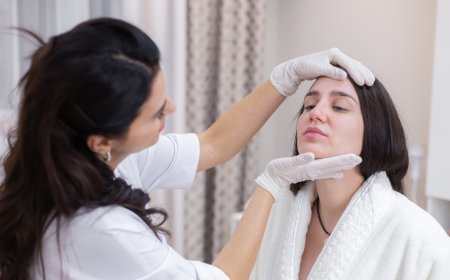
Microblading generally begins with a consultation during which the practitioner evaluates the eyebrows, discusses the desired shape, and reviews relevant skin and medical history. This assessment helps determine whether the treatment is suitable and which pigment shade may provide a natural-looking result.
The eyebrow area is cleaned, and the practitioner carefully maps the brows to establish a balanced shape. The proposed outline is reviewed before the procedure proceeds. A topical numbing product may be applied to help reduce discomfort.
A specialized handheld tool containing fine needles is then used to create small, precise strokes in the superficial layers of the skin. Pigment is deposited into these strokes to imitate individual eyebrow hairs. The practitioner works carefully to follow the natural direction of hair growth and maintain a consistent appearance.
After the procedure, the practitioner provides instructions for protecting the treated area during healing. Following these recommendations is important for supporting pigment retention and minimizing irritation.
What Are the Benefits of Microblading Treatment?
Microblading offers several cosmetic advantages for people who want to improve their eyebrow appearance.
-
Natural-looking definition: Fine strokes help replicate the appearance of real eyebrow hairs.
-
Fuller eyebrows: Pigment can fill visible gaps and make sparse brows appear denser.
-
Improved symmetry: Careful brow mapping helps create a more balanced appearance.
-
Customized results: Shape, color, and stroke placement can be adjusted to complement individual facial features.
-
Reduced makeup routine: Defined eyebrows may reduce the need for daily pencils, powders, or gels.
-
Long-lasting enhancement: Results gradually fade rather than requiring daily removal like conventional makeup.
Although these benefits can be appealing, the final outcome depends on practitioner technique, skin characteristics, pigment selection, and aftercare.
Who Is a Suitable Candidate for Microblading?
Microblading may be suitable for adults who have thin, uneven, lightly colored, or sparse eyebrows and want a more defined appearance. It can also appeal to individuals who prefer a customized brow shape that requires less daily maintenance.
However, the treatment is not appropriate for everyone. Certain skin conditions, active infections, allergies to pigment ingredients, healing difficulties, and some medical circumstances may affect suitability. Individuals who are pregnant, breastfeeding, taking medications that influence bleeding, or managing a medical condition should discuss their circumstances with an appropriate healthcare professional before proceeding.
A professional assessment helps identify potential concerns and determine whether microblading is a reasonable option.
What Should You Expect During Healing?
Following microblading, the eyebrows may initially look darker or more pronounced than expected. Mild redness, tenderness, dryness, and flaking can occur as the skin heals. The color and appearance gradually settle, so the immediate result should not be considered the final outcome.
Aftercare typically includes keeping the area clean according to professional instructions, avoiding unnecessary touching, and refraining from picking at flakes or scabs. Excessive sweating, swimming, direct sun exposure, and unapproved skincare products around the treated area may need to be avoided during the initial healing period.
Healing varies from person to person. A follow-up assessment may be recommended to evaluate pigment retention and determine whether a touch-up is appropriate.
How Long Do Microblading Results Last?
Microblading is considered semi-permanent because the pigment gradually fades over time. Longevity depends on skin type, sun exposure, skincare habits, lifestyle, pigment characteristics, and the technique used.
Oily skin may retain fine strokes differently from dry skin, and some individuals may notice fading sooner than others. Appropriate aftercare and sun protection can help maintain the appearance of the brows. Periodic touch-ups may be considered when the pigment becomes lighter or the definition changes.
Frequently Asked Questions:
Is Microblading Treatment painful?
Discomfort varies according to individual sensitivity. A topical numbing product may help reduce discomfort, although some pressure or scratching sensations may still be noticeable.
Does microblading look natural?
Yes, when performed appropriately, carefully placed hair-like strokes can create a natural-looking appearance. The result depends on the practitioner's skill, pigment choice, and eyebrow design.
Can microblading be customized?
Yes. The eyebrow shape, color, density, and stroke direction can be adapted to complement facial features and individual preferences.
Is microblading suitable for all skin types?
No. Skin type can affect how well fine strokes heal and retain pigment. A professional assessment is important, particularly for oily, sensitive, or acne-prone skin.
Does microblading require aftercare?
Yes. Following aftercare instructions helps support healing, reduce irritation, and improve the likelihood of satisfactory pigment retention.
Conclusion:
Microblading Treatment is a cosmetic option for enhancing eyebrow fullness, symmetry, and definition through carefully placed, hair-like pigment strokes. Its customized approach can provide a natural-looking appearance while reducing the need for daily eyebrow makeup. Understanding the procedure, candidacy requirements, healing process, and long-term maintenance helps individuals develop realistic expectations. Choosing a qualified practitioner and following professional aftercare guidance are essential steps toward achieving satisfactory, well-defined eyebrows.
What's Your Reaction?
 Like
0
 Dislike
0
 Love
0
 Funny
0
 Angry
0
 Sad
0
 Wow
0