










What is Picosure Tattoo Removal Treatment?
Learn what Picosure Tattoo Removal Treatment is, including how it works, tattoo colors, sessions, recovery, safety, and expected results.
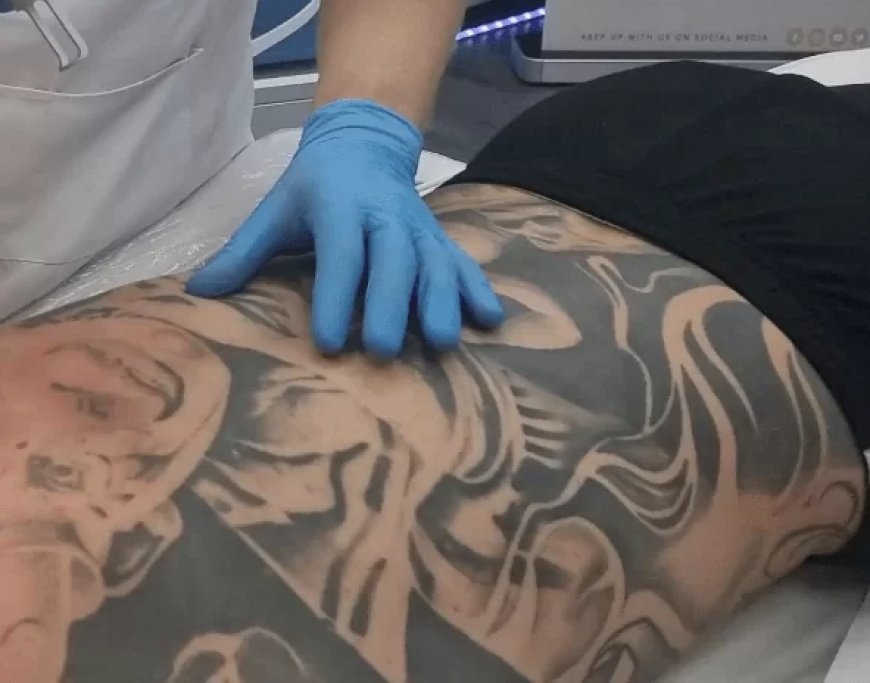
If you are wondering, What is Picosure Tattoo Removal Treatment?, it is a laser-based procedure that uses extremely short picosecond pulses of light energy to target tattoo ink. The laser energy breaks tattoo pigment into much smaller particles, which the body's natural processes can gradually clear. PicoSure systems use different wavelengths to target different ink colors, making the technology suitable for selected multicolored and difficult-to-treat tattoos. If you are exploring professional tattoo-removal options, you can learn more about إزالة الوشم بيكوشور في دبي. Although PicoSure technology can significantly lighten unwanted tattoos, the number of treatments and degree of clearance vary according to the tattoo and individual skin characteristics.
What Is PicoSure Technology?
PicoSure is a picosecond laser technology developed for pigmentary treatments and tattoo removal. Its laser pulses are delivered in extremely short periods measured in trillionths of a second.
For tattoo removal, the laser energy is directed toward tattoo pigment beneath the skin. PicoSure's available wavelengths include 755 nm, with optional 532 nm and 1064 nm wavelengths depending on the device and treatment application. Different wavelengths can target different ink colors and pigment characteristics.
The technology is designed to create a strong photomechanical effect while limiting unnecessary thermal exposure to surrounding tissue.
How Does PicoSure Remove Tattoo Ink?
Tattoo ink is deposited beneath the surface of the skin. Because the pigment particles are too large for the body to clear efficiently on their own, the tattoo remains visible.
During PicoSure treatment, short laser pulses are absorbed by the tattoo pigment. The energy breaks the larger pigment particles into smaller fragments.
The body's natural processes then gradually remove these fragmented particles. This means that the laser does not simply erase the tattoo during the appointment. Instead, each treatment contributes to progressive fading while the body clears the treated pigment between sessions.
Which Tattoo Colors Can PicoSure Treat?
One of the important considerations in tattoo removal is ink color.
The PicoSure 755 nm wavelength can target black, blue, and green tattoo inks. An optional 532 nm wavelength can be used for colors such as red, yellow, and orange in appropriate circumstances. Some PicoSure systems may also use a 1064 nm wavelength for selected applications, including black ink in darker skin types.
Because tattoos can contain multiple pigments, a practitioner may need to use different wavelengths during a treatment course.
The response of each color can also vary, so complete removal cannot be guaranteed for every tattoo.
What Happens During A PicoSure Tattoo Removal Session?
The process usually begins with an assessment of the tattoo and surrounding skin.
The practitioner may consider:
- Tattoo size
- Ink colors
- Tattoo location
- Ink depth
- Age of the tattoo
- Previous removal treatments
- Skin tone
- Medical history
- History of scarring or unusual skin reactions
The American Academy of Dermatology recommends professional consultation because these factors can influence treatment planning and safety.
The treatment area is then prepared, and appropriate eye protection is used. The laser is passed over the tattoo, delivering controlled pulses of energy to the ink.
The sensation can be uncomfortable or painful for some people. A topical anesthetic or another form of pain control may sometimes be used depending on the treatment and professional recommendation.
How Many PicoSure Treatments Are Needed?
PicoSure tattoo removal generally requires a series of sessions rather than one treatment.
The exact number varies significantly. Factors such as ink type, tattoo size, location, color, depth, individual healing response, and previous treatment can all influence the number of sessions required.
The skin also needs time to recover between treatments, while the body gradually clears the fragmented pigment.
For this reason, tattoo removal is usually planned as a gradual process rather than an immediate result.
Does PicoSure Completely Remove Tattoos?
PicoSure can significantly lighten or remove unwanted tattoo ink, but complete clearance is not guaranteed in every case.
Some pigments respond more readily than others. Tattoos with multiple colors, deeply deposited ink, certain ink formulations, or previous unsuccessful treatments may require a more individualized approach.
The AAD explains that laser tattoo removal can improve tattoo clearance, but some ink may remain after treatment. It also notes that different ink colors may require different laser wavelengths.
Realistic expectations are therefore important before beginning treatment.
What Happens After PicoSure Treatment?
The treated area may temporarily appear red, swollen, or irritated after laser tattoo removal. Some people may also develop blistering or other temporary skin reactions.
These effects can be part of the healing process, but aftercare is important to reduce the risk of complications.
The AAD recommends following the treating dermatologist's instructions, keeping the area appropriately cared for while it heals, and protecting treated skin from sunlight.
After each treatment, the tattoo may gradually become lighter as the body clears the fragmented pigment.
Is PicoSure Tattoo Removal Safe?
Laser tattoo removal can be performed safely when the treatment is appropriately selected and carried out by a qualified professional.
However, it is not completely risk-free. Potential side effects can include temporary light or dark spots, redness, swelling, blistering, burns, scarring, or changes in skin texture. The risk can vary according to the laser, settings, skin type, and experience of the person performing the procedure.
People with darker skin may require particularly careful treatment planning because some laser procedures can cause unwanted pigment changes.
A consultation allows the practitioner to assess these risks before treatment.
What Factors Affect PicoSure Results?
Several factors can influence how well a tattoo responds.
Ink Color:
Different colors absorb different wavelengths, so some pigments may respond more readily than others.
Tattoo Location:
The body's ability to clear fragmented pigment can vary according to where the tattoo is located.
Ink Depth And Density:
Deep or densely packed pigment may require more treatment sessions.
Tattoo Age:
Older tattoos may sometimes respond differently from recently applied tattoos.
Previous Treatment:
A tattoo that has already undergone unsuccessful removal attempts may require a customized approach.
Individual Healing Response:
The body's natural clearance process plays an important role after the laser breaks the ink into smaller particles.
Is PicoSure Different From Traditional Tattoo Removal Lasers?
PicoSure uses picosecond pulse durations, meaning the laser delivers energy in extremely short bursts. This differs from traditional laser systems that may use longer pulse durations.
Cynosure describes PicoSure as producing a strong photomechanical effect while minimizing thermal damage compared with approaches that rely more heavily on heat.
However, the most appropriate laser depends on the tattoo, ink colors, skin characteristics, and professional assessment. PicoSure is not automatically the appropriate technology for every tattoo.
Frequently Asked Questions:
What is Picosure Tattoo Removal Treatment?
It is a laser treatment that uses very short picosecond pulses to break tattoo ink into smaller particles that the body can gradually clear.
Is PicoSure suitable for colored tattoos?
It can treat selected tattoo colors using appropriate wavelengths. Different colors may require different wavelengths and treatment approaches.
Is PicoSure tattoo removal painful?
The treatment can be uncomfortable or painful. A practitioner may recommend topical anesthetic or other comfort measures when appropriate.
How many PicoSure sessions are required?
The number varies according to tattoo size, color, depth, location, ink type, and individual response. Multiple sessions are generally required.
Can PicoSure remove a tattoo completely?
Some tattoos can be substantially cleared, but complete removal cannot be guaranteed. Certain colors and ink types may be more difficult to eliminate.
How long does tattoo removal take?
The laser appointment itself may be relatively short, particularly for smaller tattoos, but the overall removal process takes much longer because multiple sessions and healing intervals are generally required.
Conclusion:
So, What is Picosure Tattoo Removal Treatment? It is a picosecond laser-based approach that targets tattoo ink with extremely short pulses, breaking pigment into smaller particles that the body can gradually clear. Different wavelengths can be selected for different ink colors, while treatment settings are customized according to the tattoo and the individual's skin characteristics. Multiple sessions are generally needed, and the degree of tattoo clearance varies from person to person. A qualified professional can assess the tattoo, explain realistic expectations, determine the appropriate treatment approach, and provide aftercare guidance throughout the removal process.
What's Your Reaction?
 Like
0
 Dislike
0
 Love
0
 Funny
0
 Angry
0
 Sad
0
 Wow
0