

















When Should You Get Your Hearing Checked by an ENT?
Plenty of muffled hearing isn’t classic hearing loss at all. Earwax packed against the eardrum, which sounds silly but is a common culprit, and no, don’t dig with cotton swabs.


Most people sit on hearing trouble for years. Seven, ten, sometimes more. They turn the TV up, ask folks to repeat themselves, blame the restaurant for being loud, and decide it’s everybody else mumbling. Then one day a grandkid says something at normal volume and they miss it completely. That’s usually the moment. If you’re there, hearing aids might be part of the answer, but not necessarily the first part, and that’s where a Georgetown ENT comes in. Because before you buy anything, you should know why your hearing changed. Sometimes it’s the kind of loss a device handles well. Sometimes it’s wax, or fluid, or a stuffed nose messing with ear pressure, and no amount of electronics fixes that. So let’s go through what actually happens, what to expect, and how to avoid wasting money and months.
Figure Out Why First
Here’s the blunt version. A hearing device makes sound louder and clearer. It doesn’t tell you why you can’t hear. If a blocked ear canal is the culprit, you could spend a lot on technology and still sound muffled. If the loss comes from the inner ear or the nerve, gradual, usually permanent, then yes, devices are the main tool. And if it’s sudden, say you woke up one morning with one ear gone quiet, that’s a different animal and it’s time-sensitive, so call right away and use the word sudden. An ENT can examine the ear canal and eardrum, look inside the nose and throat if that matters, and read the hearing test in context. A good workup separates the fixable from the permanent. Plenty of folks are relieved to learn it’s something simple. Others finally get a real explanation after years of guessing. Either one beats living in the dark.
What the Hearing Test Is Really Like
Nothing scary. It starts with questions, how long, one ear or both, ringing, dizziness, past ear infections, loud jobs, loud hobbies, family history, medications. Then someone looks into your ears with a small light. Next you sit in a quiet booth with headphones and press a button whenever you hear a tone, even the faintest beep, and yes you’ll guess sometimes. That produces an audiogram, basically a map of what you can hear at different pitches in each ear. There’s also speech testing, repeating words at different volumes, because hearing a sound isn’t the same as understanding speech. And often a quick test of how your eardrum moves, which flags fluid or pressure trouble. No needles, no pain, a little tiring. The numbers matter because they decide what kind of help fits you. Also worth bringing any older hearing tests, comparing them to new ones tells a lot.
The Kinds of Devices Out There
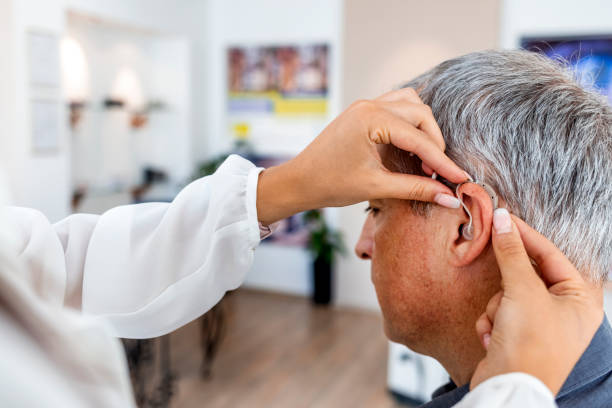
Forget the beige whistling things from the eighties. Modern hearing aids are small, many are rechargeable, plenty connect to your phone and streaming audio over Bluetooth, and a lot of them do a decent job reducing background noise so voices stand out in a loud room. Styles vary. Some sit behind the ear with a thin tube or wire running to a small piece in the canal. Some fit mostly inside the ear and are hard to spot. Smaller isn’t always better, by the way. Tiny ones can be fiddly for people with arthritis or poor dexterity, and they may not have the battery life or features you want. Which style suits you depends on your hearing loss, the shape of your ear canal, what your hands can manage, and what you do all day. A salesperson on conference calls needs different things than a retiree who mostly talks one-on-one. Ask to see a few. Handle them. Don’t just take the first box.
Over-the-Counter or Prescription
Now there’s a choice that didn’t exist a few years back. Over-the-counter devices are sold directly to adults with mild to moderate hearing loss, no prescription, no fitting visit. That’s a real option for some people and it lowers the cost barrier. But a couple of cautions. You still don’t know why you have the loss unless somebody examines your ears, and certain signs mean skipping the shelf and seeing a doctor first, sudden loss, one ear much worse than the other, drainage, pain, dizziness, a feeling of fullness that won’t clear, a recent ear injury. Over-the-counter also puts the fitting and adjusting on you, and devices that aren’t tuned to your specific hearing can underperform. Prescription devices fitted by an audiologist are programmed to your audiogram and adjusted over time. Many people do better with that route, especially with more significant loss. Neither is wrong. Just get the ears checked first, then decide.
The Adjustment Period Nobody Warns You About
You put them in and the world is suddenly loud. The refrigerator hums, your footsteps thud, paper crinkles like a bag of chips, your own voice sounds weird. That’s normal, and for some people it’s overwhelming for the first few days. Your brain’s been working with less sound for years, and now it’s getting more, and it has to relearn what to ignore. Most people need a few weeks of regular wear to settle in, sometimes longer, with a couple of follow-up adjustments along the way. That isn’t a sign something went wrong. Wear them all day if you can, instead of leaving them in a drawer because they’re annoying. Keep them clean and dry, check wax guards, charge them every night or swap batteries as needed. A lot of the complaints I hear come from people who tried them for two days and quit. Give it a real shot, and go back for tweaks, that’s what the follow-up is for.
When It’s Not Really a Hearing Loss Problem
Plenty of muffled hearing isn’t classic hearing loss at all. Earwax packed against the eardrum, which sounds silly but is a common culprit, and no, don’t dig with cotton swabs. Fluid behind the eardrum after a cold or during allergy season. Eustachian tube trouble, where the little passage between the back of the nose and the middle ear doesn’t open properly, so pressure builds and everything dulls out. Chronic nasal congestion from allergies, sinus inflammation, a deviated septum or swollen turbinates can contribute in some people. I’ll be careful here, a stuffy nose isn’t the explanation for every muffled ear and fixing it won’t restore nerve-related loss. But it can be part of the picture, which is why an ENT looks at both ears and nose. Ringing is another thing that tags along, tinnitus. Devices often help with that too, since bringing back outside sound can mask the ringing. A full exam sorts out which problem you’re dealing with.
Finding a Georgetown ENT and Getting Ready
Pick somewhere you’ll actually go back to. Hearing care isn’t one visit. There’s testing, the medical exam, fitting, follow-ups, adjustments, cleaning and repairs down the road. If you live up in the Georgetown area, having a Georgetown ENT office close by makes that a lot easier than driving across the metro every time something needs a tweak. Look for an office that does audiology on site, so testing, ear exams and hearing devices happen in one place instead of bouncing you around. Ask about board certification, how they handle repairs and warranties, whether they offer trial periods, and what follow-ups are included. Bring a medication list, old hearing tests, a list of situations where you struggle, and a family member if you can, they notice things you don’t. Ask about insurance and financing before the visit, since coverage for devices varies a lot between plans, and some don’t cover them at all. And if your hearing dropped suddenly in a day or two, don’t wait for a routine slot.
Conclusion
So when should you get your hearing checked? Sooner than you think. If you’re asking people to repeat themselves, avoiding noisy restaurants, cranking the TV, or noticing ringing, that’s your cue, and sudden changes deserve a same-day call. Hearing aids work well for the right kind of hearing loss, but they’re the answer to the question, not the question itself. A Georgetown ENT can examine your ears, run the right tests, rule out wax, fluid and other fixable causes, and tell you whether devices make sense and which kind. Don’t spend another five years pretending you caught what somebody said. Book a visit with an ENT near you, bring your history and any old test results, and get a clear answer. Most people are surprised how much they’d been missing.
Frequently Asked Questions
How do I know if I need hearing aids?
Common signs include asking people to repeat themselves, turning the TV up, struggling in noisy places, and friends or family saying you miss things. A hearing test is the only way to confirm it and show what level of help makes sense.
Should I see a Georgetown ENT before buying hearing aids?
It’s a smart move. An ENT can check for wax, fluid, infection or other medical causes first, and tell you whether your hearing loss is the type devices handle well. Sudden loss, one-sided loss, pain or drainage should always be checked by a doctor.
Are over-the-counter hearing aids as good as prescription ones?
They can work for some adults with mild to moderate loss, but they’re not programmed to your specific hearing the way prescription devices are. If your loss is more significant or you have medical symptoms, professional testing and fitting are the better route.
How long does it take to get used to hearing aids?
Many people need a few weeks of regular wear, sometimes longer. Everyday sounds can seem too loud at first, which is normal while your brain relearns them. Follow-up adjustments are part of the process.
Can earwax or a stuffy nose make me think I have hearing loss?
Yes. Wax blockage, fluid behind the eardrum and pressure problems from congestion can muffle hearing. A hearing test and ear exam tell you whether it’s something fixable or true hearing loss.
Do I need a referral to see an ENT or audiologist?
It depends on your insurance plan. Some plans require a referral and some don’t. Call the office you’re considering and ask before booking so you know what to expect.
What's Your Reaction?
 Like
0
 Dislike
0
 Love
0
 Funny
0
 Angry
0
 Sad
0
 Wow
0




