

















Which Factors Influence Electrolysis Laser Hair Removal Results?

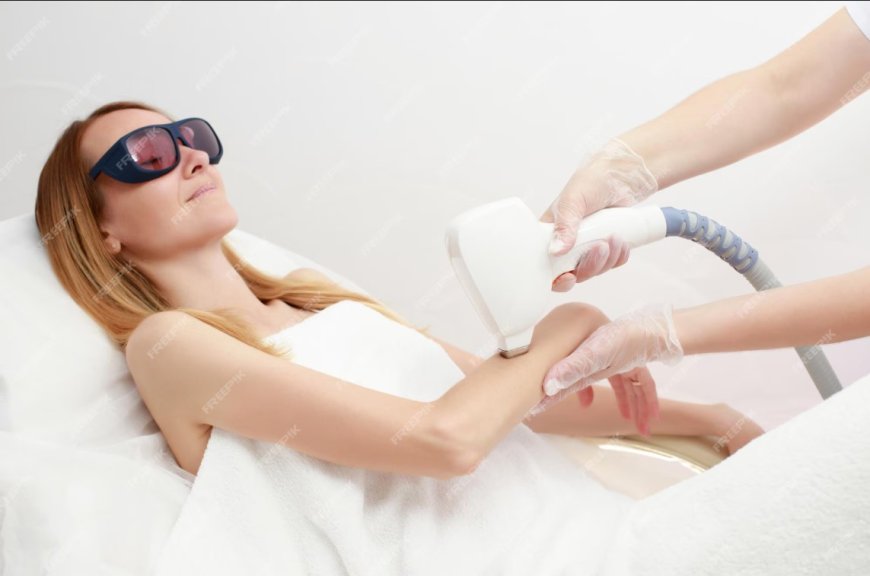
Electrolysis Laser Hair Removal is a term people may encounter when researching long-term hair reduction and removal options. Understanding the differences between these methods helps readers make informed decisions about their individual hair removal needs. For those exploring Electrolysis Laser Hair Removal in Dubai, including through informational resources associated with Dynamic Clinic in Dubai, it is important to understand how hair characteristics, skin type, treatment methods, and consistency can influence results.
Understanding Electrolysis and Laser Hair Removal
Electrolysis and laser hair removal use different methods to target unwanted hair. Electrolysis treats individual hair follicles with an electrical current, while laser hair removal uses concentrated light energy to target pigment within the hair.
Electrolysis can treat hair of various colours because it does not depend on melanin in the same way as laser treatment. Laser hair removal generally works best when there is sufficient contrast between the hair pigment and the surrounding skin, although suitable technologies vary according to skin tone and hair characteristics.
Understanding this distinction is essential when comparing treatment options, expected results, and the number of sessions that may be needed.
1. Hair Colour, Thickness, and Growth Cycle
Hair characteristics play a major role in determining how well a removal method works. Laser technology relies on pigment in the hair, making darker hair generally more responsive than white, grey, blonde, or some red hair. Electrolysis can be useful for hair that does not respond well to pigment-dependent treatments.
Hair thickness also affects treatment response. Coarse hair may absorb more laser energy than very fine hair, while individual electrolysis sessions focus on treating specific follicles.
Hair grows in different stages, including the anagen, catagen, and telogen phases. Laser treatment is most effective when the hair is in its active growth phase, so multiple sessions are usually necessary to target follicles at different stages. Electrolysis also requires repeated appointments because individual hairs become accessible for treatment at different times.
2. Skin Tone and Individual Skin Characteristics
Skin tone is an important consideration when selecting laser technology. Traditional laser systems may be less suitable for some darker skin tones because the surrounding skin contains more melanin, which can absorb energy and increase the risk of pigmentation changes or burns.
Modern laser systems can offer options for a broader range of skin tones, but safe treatment depends on the device, settings, and individual assessment. Electrolysis is not dependent on skin pigment, although the skin can still develop temporary redness, irritation, or changes in pigmentation after treatment.
Other skin characteristics, such as sensitivity, existing irritation, and a history of abnormal scarring, may also influence treatment planning. A qualified practitioner should assess these factors before beginning either procedure.
3. Treatment Area and Hair Density
The body area being treated can affect the treatment schedule and overall experience. Facial hair, underarm hair, and hair on the legs may differ in thickness, density, and growth patterns.
Areas with dense hair growth may require more laser sessions to achieve substantial reduction. Electrolysis can be particularly time-consuming for large areas because each follicle must be treated individually.
Hormone-sensitive areas, such as the chin and upper lip, may also develop new hair over time. The number of sessions needed therefore depends on the treatment area, the amount of hair present, and the body's ongoing hair-growth patterns.
4. Hormonal Changes and Medical Factors
Hormones influence the development and growth of hair follicles. Conditions associated with increased androgen activity, as well as changes during pregnancy, menopause, or certain stages of life, may affect hair growth.
Hormonal factors can lead to new hair appearing even after previously treated follicles have responded. This does not necessarily mean that the original treatment failed; new growth may have a different cause.
People experiencing sudden or unusual increases in facial or body hair may benefit from medical assessment to identify possible underlying causes. Addressing a relevant hormonal condition can help support a more appropriate long-term hair management plan.
5. Session Timing and Treatment Consistency
Following an appropriate treatment schedule is essential because hair follicles respond differently depending on their growth stage. Sessions that are too close together may not provide an advantage, while long, unplanned gaps can delay progress.
A treatment plan should account for the body area, hair-growth cycle, and response to previous sessions. Laser treatments are generally spaced several weeks apart, whereas electrolysis appointments may follow a different schedule based on the number of hairs requiring treatment.
For better consistency:
-
Attend appointments according to the recommended schedule.
-
Follow preparation and aftercare instructions.
-
Avoid plucking or waxing before laser sessions when advised, because these methods remove the hair needed for laser targeting.
-
Discuss changes in hair growth or skin reactions with the treating practitioner.
6. Technology, Practitioner Skill, and Aftercare
The equipment used and the practitioner's experience can influence both safety and treatment effectiveness. Laser wavelength, energy settings, cooling methods, and skin assessment all affect how treatment is delivered.
Electrolysis outcomes also depend on accurate probe placement, suitable electrical settings, and proper technique. Incorrect treatment may increase discomfort or cause unnecessary skin irritation.
Aftercare helps protect the skin while it recovers. Depending on the method, recommendations may include avoiding excessive sun exposure, using suitable sun protection, keeping the area clean, and avoiding harsh skincare products for the period advised by the practitioner.
How Can You Support Better Hair Removal Results?
Several practical steps can help people approach hair removal with realistic expectations:
-
Choose the appropriate method: Consider hair colour, skin tone, treatment area, and personal goals.
-
Seek an individual assessment: A qualified practitioner can evaluate relevant skin and hair characteristics.
-
Follow the treatment plan: Consistent appointments help target hair at suitable growth stages.
-
Protect the skin: Follow recommended preparation and aftercare guidance.
-
Allow time for progress: Hair reduction occurs gradually, and results vary between individuals.
-
Discuss underlying concerns: Unexpected hair growth or persistent changes may require medical evaluation.
Conclusion
Electrolysis and laser hair removal results depend on several interacting factors, including hair colour, thickness, skin tone, growth cycles, treatment area, hormonal influences, equipment, and practitioner technique. Electrolysis targets individual follicles, while laser treatment uses light energy to reduce hair growth across a treatment area. Understanding these differences helps people choose an appropriate approach and develop realistic expectations. An individual assessment, consistent treatment, and suitable aftercare can support safer, more effective hair removal outcomes.
What's Your Reaction?
 Like
0
 Dislike
0
 Love
0
 Funny
0
 Angry
0
 Sad
0
 Wow
0





