














Which Treatment Considerations Influence Laser Carbon Peel Cost?
Clear answers help individuals understand the procedure and make decisions based on their actual skincare needs.

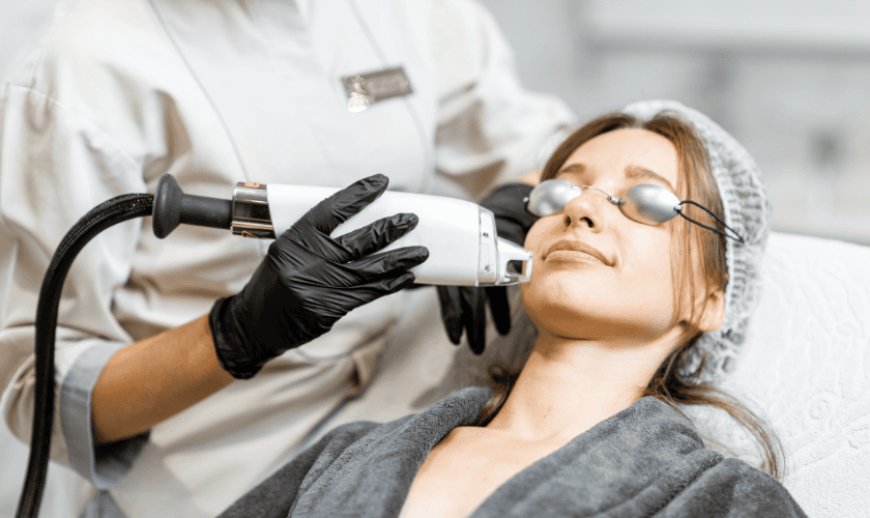
Laser carbon peel is a popular skin rejuvenation procedure for people seeking smoother texture, clearer pores, and a refreshed complexion. Understanding the factors behind Laser Carbon Peel Cost in Dubai can help individuals make informed decisions about their skincare goals. At Dynamic Clinic in Dubai, this treatment is an option for people interested in addressing common skin concerns through laser-based care.
Understanding the Laser Carbon Peel Procedure
A laser carbon peel is a non-invasive skin treatment that combines a carbon-based lotion with laser energy. The carbon layer is applied to the skin, where it settles into pores and attaches to surface debris and excess oil. A laser is then passed over the treated area to target the carbon particles.
This process helps remove accumulated impurities and exfoliate the outer skin layer. It may also support collagen activity, making the treatment useful for people concerned about:
-
Enlarged or congested pores
-
Excess oil production
-
Uneven skin texture
-
Dull or tired-looking skin
-
Mild acne-related concerns
-
Uneven skin tone
The treatment approach can vary depending on the individual's skin condition and desired outcome.

Key Treatment Factors That Influence Overall Expenses
Several clinical and practical considerations determine the resources required for a laser carbon peel. These factors explain why treatment plans may differ from one individual to another.
1. Skin Condition and Treatment Requirements
The starting condition of the skin plays an important role in determining the treatment approach. Someone experiencing mild congestion may need a different level of care compared with someone dealing with persistent oiliness, uneven texture, or visible pores.
A professional skin assessment helps identify the areas that require attention. The treatment plan can then be adjusted according to the skin's condition and response.
2. Number of Recommended Sessions
The number of sessions is another important consideration. Some individuals notice improvements after an initial appointment, while others may require multiple sessions to address their concerns.
The recommended frequency depends on factors such as:
-
Existing skin concerns
-
Desired level of improvement
-
Individual skin response
-
Maintenance requirements
-
Professional treatment recommendations
A personalised schedule helps avoid unnecessary sessions while supporting gradual skin improvement.
3. Treatment Area and Coverage
The size of the treatment area can influence the overall procedure requirements. Treating the full face may involve a different approach from focusing on smaller areas, such as the nose, chin, or forehead.
Larger treatment areas may require additional preparation and laser application time. The practitioner also considers skin sensitivity and the condition of each area before deciding on the appropriate settings.
4. Laser Technology and Equipment
The technology used during the procedure is another relevant consideration. Laser systems differ in their energy delivery, settings, and treatment capabilities.
The choice of equipment depends on the individual's skin type and treatment objectives. Proper calibration and suitable laser settings are important for targeting the carbon layer while limiting unnecessary irritation to surrounding skin.
How Practitioner Expertise Affects Treatment Planning
The experience and technical knowledge of the practitioner contribute to treatment quality and safety. Laser procedures require an understanding of skin anatomy, pigmentation concerns, laser settings, and possible reactions.
A qualified professional should consider:
-
Skin type and sensitivity
-
Medical and skincare history
-
Existing pigmentation or inflammation
-
Previous cosmetic procedures
-
Appropriate laser intensity
-
Potential side effects and precautions
A thorough consultation also helps identify individuals who may need an alternative approach or additional assessment before treatment.
Skin Type and Individual Response
Not every skin type responds to laser carbon peel treatment in the same way. Oily skin may benefit from attention to excess sebum and pore congestion, while sensitive skin may require more cautious settings.
People with darker skin tones also need appropriate laser assessment because some laser procedures can trigger unwanted pigmentation changes if unsuitable settings are used.
Individual response may depend on:
-
Natural skin pigmentation
-
Skin sensitivity
-
Active acne or irritation
-
Existing skin conditions
-
Sun exposure
-
Post-treatment skincare habits
These factors help determine whether the procedure is suitable and how it should be performed.
Preparation and Aftercare Considerations
Preparation and aftercare are important parts of the treatment process. Following professional instructions can reduce irritation and support skin recovery.
Before treatment:
-
Avoid excessive sun exposure.
-
Discuss active skin conditions during consultation.
-
Follow advice about exfoliating products and retinoids.
-
Inform the practitioner about previous skin treatments.
After treatment:
-
Apply a suitable moisturiser.
-
Use broad-spectrum sunscreen.
-
Avoid harsh exfoliants for the recommended period.
-
Keep the skin clean and avoid unnecessary irritation.
-
Follow the recommended skincare routine.
Temporary redness, mild sensitivity, or dryness may occur after treatment. Persistent irritation or unexpected reactions should be assessed by a qualified professional.
What Should You Check Before Choosing a Treatment?
Rather than focusing on one factor alone, individuals should evaluate the complete treatment plan. Important questions include:
-
Is the procedure suitable for my skin type?
-
How many sessions may be recommended?
-
Which areas will be treated?
-
What laser technology will be used?
-
What results are realistic for my skin concerns?
-
What preparation and aftercare will be required?
Clear answers help individuals understand the procedure and make decisions based on their actual skincare needs.
Conclusion
Laser carbon peel treatment planning involves several considerations, including skin condition, treatment area, session requirements, laser technology, practitioner expertise, and individual skin response. Preparation and aftercare also influence the overall treatment experience. Understanding these factors allows individuals to evaluate their options more carefully and choose an approach that supports their skin goals while prioritising safety and realistic expectations.
Sign in to report this article
What's Your Reaction?
 Like
0
 Dislike
0
 Love
0
 Funny
0
 Angry
0
 Sad
0
 Wow
0