


















ACL Injury Treatment Dubai: Supporting a Safe Return to Sports
Discover how ACL injury treatment in Dubai supports recovery through personalized rehabilitation, strength training, improved knee stability, and a structured approach to returning to sports with confidence.
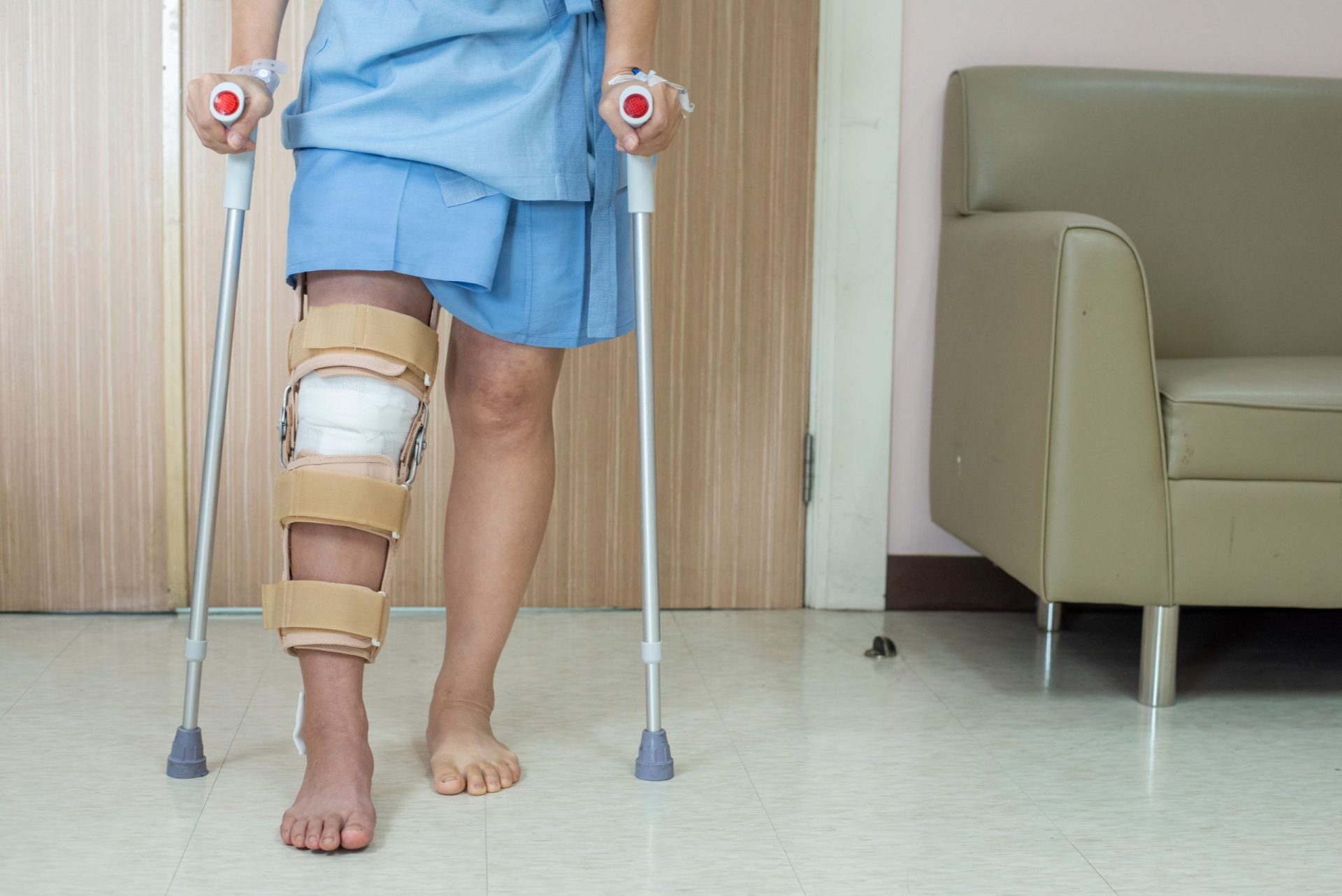
Sports and physical activities play an important role in maintaining strength, fitness, and overall well-being. However, activities that involve sudden direction changes, jumping, landing, and rapid acceleration can place considerable stress on the knee joint. One of the most common serious sports-related knee injuries is an anterior cruciate ligament (ACL) injury. It can affect knee stability, limit mobility, and make returning to sports challenging.
Recovering from an ACL injury requires a structured approach that focuses on restoring movement, rebuilding muscle strength, improving balance, and developing confidence in the affected knee. Modern physiotherapy and rehabilitation techniques play an essential role in supporting this process.
Choosing professional Acl Injury Treatment Dubai services can help injured individuals receive appropriate assessment and personalized rehabilitation according to their physical condition. At Vitruvian Italian Physiotherapy Center, the focus is on movement recovery, targeted strengthening, and individualized treatment strategies that support patients throughout their rehabilitation journey.
Understanding ACL Injuries and Their Impact on the Knee
The anterior cruciate ligament is one of the major ligaments inside the knee joint. It connects the thighbone (femur) to the shinbone (tibia) and helps maintain knee stability during movement.
The ACL plays an important role in controlling forward movement of the tibia and rotational stability of the knee. It is particularly important during activities involving sudden stops, turning, jumping, and landing.
An ACL injury occurs when this ligament becomes stretched or torn. The severity can vary from a mild sprain to a complete tear.
Common symptoms may include:
-
A popping sensation at the time of injury.
-
Sudden knee pain.
-
Swelling around the knee joint.
-
Difficulty bearing weight.
-
Reduced knee movement.
-
A feeling of instability or giving way.
-
Difficulty participating in sports and physical activities.
The extent of the injury determines the most appropriate treatment approach. Some patients may benefit from structured physiotherapy, while others may require surgical reconstruction followed by rehabilitation.
Common Causes of ACL Injuries in Sports
ACL injuries frequently occur during activities that involve rapid changes in movement. They are particularly common in sports that require agility, jumping, and sudden changes in direction.
Some common causes include:
Sudden Direction Changes: Quickly changing direction while running can place considerable rotational stress on the knee.
Improper Landing: Landing with poor knee alignment after jumping may increase stress on the ACL.
Sudden Stops: Rapidly slowing down while running can create additional demands on the knee joint.
Direct Contact: A collision or impact during sports can force the knee into an unusual position.
Poor Movement Mechanics: Inadequate muscular control and incorrect movement patterns may influence knee stability during demanding activities.
Sports such as football, basketball, tennis, skiing, and volleyball involve movements that can increase the likelihood of ACL injuries.
Understanding these contributing factors is important for developing suitable rehabilitation and injury-prevention strategies.
Why Early ACL Injury Assessment Is Important
Following a suspected ACL injury, a professional assessment helps determine the extent of the damage and identify any associated problems involving other knee structures.
An assessment generally includes a review of the injury history, symptoms, knee movement, swelling, and joint stability. Specific clinical tests may also be used to evaluate ligament function.
In some cases, imaging investigations such as MRI may be recommended by a medical professional to assess the ACL and surrounding structures.
Early evaluation helps establish important treatment priorities, including:
-
Managing swelling and discomfort.
-
Restoring appropriate knee movement.
-
Understanding the level of ligament injury.
-
Assessing muscle weakness.
-
Identifying limitations in walking and daily activities.
-
Determining whether surgical consultation is necessary.
Professional Acl Injury Treatment Dubai begins with an accurate understanding of the injury rather than immediately introducing demanding exercises.
At Vitruvian Italian Physiotherapy Center, individualized rehabilitation planning can help patients work toward appropriate recovery goals based on their assessment and treatment requirements.
Modern Treatment Approaches for ACL Injuries
ACL treatment depends on several factors, including the severity of the injury, the patient's age, activity level, knee stability, and sports-related goals.
There are two main treatment pathways: conservative rehabilitation and surgical reconstruction followed by rehabilitation.
Conservative Physiotherapy Treatment
Some individuals with partial ACL injuries or selected ACL-deficient knees may be suitable for non-surgical management.
Conservative treatment focuses on strengthening the muscles surrounding the knee, improving movement control, and developing functional stability.
A rehabilitation program may include:
-
Gentle knee mobility exercises.
-
Quadriceps strengthening.
-
Hamstring strengthening.
-
Hip and gluteal muscle exercises.
-
Balance and coordination training.
-
Controlled functional movements.
The suitability of non-surgical treatment depends on clinical findings and the patient's activity requirements. Individuals involved in high-demand pivoting sports may need additional specialist assessment.
Surgical ACL Reconstruction
For certain complete ACL tears, particularly when the knee remains unstable or the patient wishes to return to demanding sports, surgical reconstruction may be recommended.
During ACL reconstruction, the damaged ligament is replaced with a graft. The procedure is followed by a structured rehabilitation program designed to restore knee function.
Physiotherapy after surgery is essential for improving mobility, rebuilding strength, and gradually preparing the knee for more demanding physical activities.
The decision to undergo surgery should be made with an appropriately qualified orthopedic specialist after considering individual circumstances.
The Importance of Physiotherapy After ACL Reconstruction
Surgery addresses the damaged ligament, but it does not immediately restore the strength, coordination, and functional abilities required for sports.
Following reconstruction, the surrounding muscles may become weaker, knee movement may be restricted, and balance may be affected.
Physiotherapy supports recovery by addressing these limitations through progressive rehabilitation.
Important treatment objectives include:
Restoring Knee Mobility: Improving the ability to bend and straighten the knee according to the surgical protocol.
Reducing Swelling: Using appropriate strategies to manage postoperative swelling and improve movement comfort.
Rebuilding Muscle Strength: Strengthening the quadriceps, hamstrings, calves, and hip muscles.
Improving Balance: Developing better control and coordination during standing and movement.
Restoring Functional Ability: Preparing patients for walking, climbing stairs, jogging, and eventually sports-specific activities.
The rehabilitation program must follow the surgeon's recommendations and account for the type of graft, associated injuries, and individual healing progress.
Stages of ACL Rehabilitation and Recovery
ACL rehabilitation is a progressive process. Each stage introduces specific exercises and physical challenges according to the patient's condition and recovery milestones.
Stage One: Initial Recovery and Swelling Management
The early stage focuses on protecting the knee, managing swelling, and restoring basic movement.
Treatment may involve:
-
Appropriate swelling-management techniques.
-
Gentle knee bending and straightening exercises.
-
Quadriceps activation.
-
Ankle movement exercises.
-
Safe walking guidance.
-
Gradual improvement in weight-bearing ability.
Following surgery, the physiotherapist works within the surgeon's postoperative instructions to ensure that rehabilitation progresses appropriately.
Stage Two: Restoring Strength and Mobility
Once initial recovery milestones have been achieved, treatment gradually focuses on rebuilding muscular strength and improving knee control.
Exercises may include:
-
Straight-leg raises.
-
Controlled squats.
-
Resistance-based strengthening.
-
Stationary cycling when appropriate.
-
Hip stabilization exercises.
-
Balance training.
The goal is to improve the muscles that support the knee while developing better movement coordination.
Stage Three: Developing Dynamic Stability
As strength and movement improve, rehabilitation becomes more challenging.
Patients may gradually introduce exercises involving:
-
Single-leg balance.
-
Controlled step movements.
-
Functional strengthening.
-
Dynamic stability exercises.
-
Controlled weight-bearing activities.
This stage helps prepare the knee for movements that require greater coordination and muscular control.
Stage Four: Running and Sports-Specific Training
Returning to running and sports requires adequate strength, movement quality, and functional readiness.
Depending on individual progress and medical clearance, rehabilitation may introduce:
-
Progressive jogging.
-
Controlled acceleration and deceleration.
-
Jumping and landing exercises.
-
Agility drills.
-
Direction-change training.
-
Sport-specific movement patterns.
These exercises should be introduced progressively rather than according to a fixed timeline.
Stage Five: Return to Sports
The final stage focuses on preparing the individual for the demands of their chosen sport.
A successful return requires more than the ability to walk or jog without discomfort. Patients should demonstrate appropriate knee strength, functional movement control, balance, and psychological readiness.
A physiotherapist and orthopedic specialist may use objective testing and sport-specific assessments to guide return-to-play decisions.
How Strength Training Supports ACL Recovery
Muscle strength is one of the most important components of ACL rehabilitation. The quadriceps and hamstrings help control knee movement, while the hip and calf muscles contribute to lower-limb stability.
After an ACL injury or reconstruction, these muscles may become weaker because of reduced activity, swelling, and changes in movement patterns.
A structured strengthening program may include:
Quadriceps Exercises: These help restore the muscles at the front of the thigh, which contribute to knee extension and functional activities.
Hamstring Exercises: Strengthening the muscles at the back of the thigh supports knee control during movement.
Gluteal Strengthening: Strong hip muscles contribute to better lower-limb alignment during walking, squatting, and landing.
Calf Strengthening: Calf muscles support walking, running, and other weight-bearing activities.
Functional Strengthening: Squats, step-ups, and controlled single-leg exercises help translate muscular improvements into everyday movement.
Exercise selection and intensity should be adjusted according to the patient's recovery stage and clinical assessment.
The Role of Balance and Coordination Training
Balance and coordination are essential for athletes who participate in sports involving jumping, landing, and sudden changes in direction.
An ACL injury can affect the body's ability to control knee movement, particularly during single-leg activities.
Physiotherapy may incorporate balance exercises to improve neuromuscular control and movement awareness.
Examples include:
-
Single-leg standing.
-
Controlled weight shifting.
-
Step-down exercises.
-
Dynamic balance activities.
-
Single-leg functional movements.
-
Progressive landing drills.
These exercises help patients develop better awareness of lower-limb positioning and improve their ability to control movement during physical activities.
Balance training becomes particularly important during the later stages of rehabilitation when patients prepare for more demanding sports-related movements.
Understanding ACL Injury Treatment Cost in Dubai
The overall cost of ACL treatment depends on the type of injury, the selected treatment approach, the number of physiotherapy sessions, and the complexity of rehabilitation.
Understanding Acl Injury Treatment cost in Dubai can help patients plan their recovery and make informed decisions about their healthcare requirements.
Several factors may influence the overall treatment expenses.
Severity of the ACL Injury
A partial ligament injury may require a different treatment approach from a complete ACL tear. Associated injuries involving the meniscus, cartilage, or other ligaments may also increase treatment complexity.
Surgical and Non-Surgical Treatment
Patients receiving conservative physiotherapy may have different expenses from those undergoing surgical ACL reconstruction.
For surgical patients, the overall cost may include orthopedic consultations, hospital charges, surgical procedures, anesthesia, and postoperative rehabilitation.
Number of Physiotherapy Sessions
ACL recovery generally requires multiple rehabilitation sessions. The number depends on the patient's strength, mobility, functional progress, and return-to-sport goals.
Rehabilitation Techniques
Treatment may involve manual therapy, strengthening exercises, balance training, functional rehabilitation, and sports-specific conditioning.
The selected techniques and rehabilitation requirements may influence the total cost.
Recovery Duration
Some patients require a relatively straightforward rehabilitation program, while others need extended support to rebuild strength and prepare for demanding physical activities.
When comparing Acl Injury Treatment cost in Dubai, patients should consider the complete rehabilitation journey rather than focusing only on individual session prices.
How Long Does It Take to Recover From an ACL Injury?
ACL recovery varies according to injury severity, treatment selection, individual healing capacity, and rehabilitation consistency.
For patients undergoing ACL reconstruction, returning to demanding pivoting sports commonly takes at least 9 to 12 months and sometimes longer. The exact timeline depends on functional recovery and medical clearance.
Conservative treatment timelines vary depending on knee stability, symptoms, and activity requirements.
Several factors influence recovery:
-
The severity of ligament damage.
-
Whether surgery is required.
-
The presence of additional knee injuries.
-
The patient's age and general physical condition.
-
Muscle strength and mobility.
-
Consistency with rehabilitation exercises.
-
Progress during functional testing.
It is important to understand that recovery should be based on physical readiness rather than time alone. Returning to sports too early may place unnecessary demands on the recovering knee.
Preventing Future ACL Injuries Through Movement Training
Injury prevention is an important part of sports rehabilitation. Although no exercise program can eliminate the possibility of an ACL injury, appropriate training can help improve movement control and lower-limb strength.
Preventive training programs commonly focus on:
Jumping and Landing Techniques: Learning to land with controlled knee and hip alignment.
Strength Development: Improving quadriceps, hamstring, gluteal, and calf strength.
Balance Training: Developing stability during single-leg activities.
Agility Exercises: Improving control during changes in direction.
Movement Awareness: Understanding how the knees and hips should move during sports activities.
Proper Warm-Ups: Preparing muscles and joints before intensive training.
Athletes should maintain these exercises as part of their regular fitness routines, even after completing rehabilitation.
Choosing the Right ACL Rehabilitation Approach in Dubai
Selecting an appropriate rehabilitation provider is an important decision for anyone recovering from an ACL injury.
A suitable physiotherapy approach should include professional assessment, individualized treatment planning, progressive strengthening, and regular evaluation of recovery milestones.
When exploring Acl Injury Treatment Dubai, consider the following factors:
Qualified Physiotherapists: Professionals should understand knee injuries, postoperative rehabilitation, and sports-related movement requirements.
Personalized Rehabilitation: Exercises should reflect the patient's injury, treatment history, and physical goals.
Structured Recovery Stages: Rehabilitation should progress from basic mobility to strength, stability, and functional activities.
Progress Monitoring: Regular evaluations help identify improvements and determine when exercises can become more challenging.
Sports-Specific Preparation: Athletes should receive appropriate guidance before returning to demanding activities.
Communication and Education: Patients should understand their rehabilitation plan, exercise requirements, and recovery milestones.
These considerations help patients make informed decisions and participate more confidently in their recovery.
Supporting ACL Recovery at Vitruvian Italian Physiotherapy Center
Vitruvian Italian Physiotherapy Center focuses on personalized physiotherapy and movement-based rehabilitation to support individuals recovering from knee injuries.
ACL rehabilitation requires a comprehensive approach because the injury can affect muscle strength, joint stability, balance, and overall physical performance.
A structured rehabilitation program may focus on:
-
Restoring knee mobility.
-
Improving quadriceps and hamstring strength.
-
Developing hip and lower-limb stability.
-
Improving balance and coordination.
-
Rebuilding functional movement patterns.
-
Preparing patients for progressive physical activity.
-
Supporting a safe return to sports.
Each patient has different rehabilitation requirements. A recreational runner may have different goals from a football player or basketball athlete.
For this reason, treatment should be adapted according to individual progress, physical demands, and medical recommendations.
At Vitruvian Italian Physiotherapy Center, the emphasis on individualized rehabilitation supports patients in working toward improved movement, strength, and functional confidence.
Individuals considering Acl Injury Treatment Dubai can benefit from understanding the importance of a structured recovery plan that addresses both immediate rehabilitation needs and long-term physical goals.
The Importance of Patient Commitment During ACL Rehabilitation
Physiotherapy is most effective when patients actively participate in their recovery process.
Although supervised sessions provide professional guidance, rehabilitation also requires consistency with prescribed home exercises and appropriate activity modification.
Patients can support their recovery by:
-
Following the recommended exercise schedule.
-
Attending physiotherapy appointments consistently.
-
Avoiding activities that exceed their current recovery level.
-
Communicating discomfort or changes in symptoms.
-
Following postoperative instructions when applicable.
-
Maintaining appropriate nutrition and sleep habits.
-
Allowing sufficient time for healing and strengthening.
Patients should avoid comparing their recovery progress with other athletes because each injury and rehabilitation journey is different.
Consistent effort, appropriate guidance, and realistic expectations help create a stronger foundation for long-term recovery.
Conclusion: Building a Stronger Foundation for Returning to Sports
An ACL injury can significantly affect knee stability, physical performance, and confidence during sports activities. However, modern rehabilitation approaches provide structured ways to restore mobility, rebuild muscular strength, improve balance, and prepare individuals for the demands of physical activity.
From initial injury assessment and postoperative rehabilitation to advanced strengthening and sport-specific training, every stage plays an important role in the recovery process.
Understanding Acl Injury Treatment cost in Dubai also helps patients plan for the different stages of care, including consultations, treatment, and physiotherapy.
Vitruvian Italian Physiotherapy Center emphasizes personalized rehabilitation and movement recovery to help individuals work toward better knee function and an active lifestyle.
With professional guidance, consistent participation, and appropriate return-to-sport testing, patients can gradually rebuild their physical abilities and work toward returning to their favorite sports with greater confidence.
What's Your Reaction?
 Like
0
 Dislike
0
 Love
0
 Funny
0
 Angry
0
 Sad
0
 Wow
0