












Acne Scar Removal Treatment Gurgaon: Why Treating Active Acne First Matters

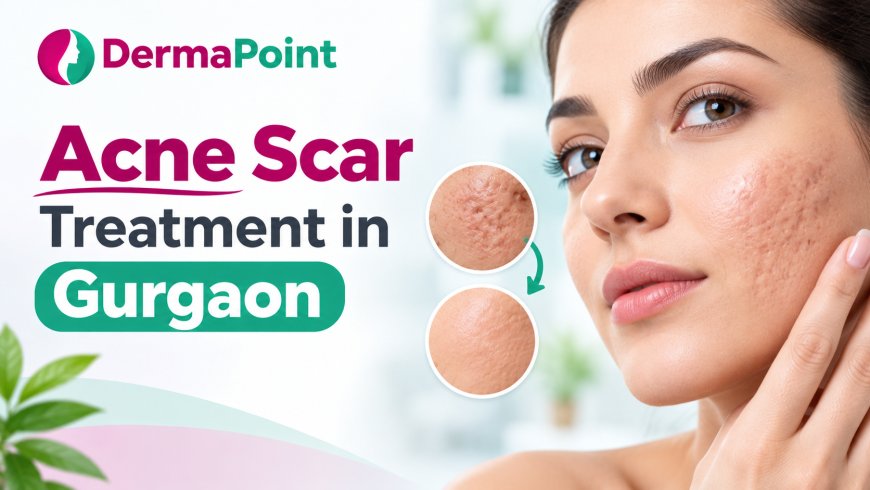
Acne scars can remain long after pimples disappear. For many people, the goal is to achieve smoother skin and reduce the appearance of old acne scars.
However, one important part of acne scar management is often overlooked: controlling active acne.
If new pimples continue to develop, the skin may experience repeated inflammation and the risk of additional scarring. Treating scars while acne remains uncontrolled may make long-term skin improvement more difficult.
If you are searching for Acne Scar Treatment in Gurgaon, understanding the relationship between active acne and acne scars can help you make better treatment decisions.
What Causes Acne Scars?
Acne scars develop when inflammation damages the deeper layers of the skin.
Severe acne, including cysts and nodules, can cause more inflammation than mild pimples. Picking or squeezing acne can also increase the risk of scarring.
When the skin heals, it may produce too little or too much collagen. This can result in:
- Depressed scars.
- Uneven skin texture.
- Raised scars.
- Dark marks.
- Red marks.
The type of scar determines which treatment may be appropriate.
Why Does Active Acne Need Attention?
Active acne means that new pimples, blackheads, whiteheads, or inflamed lesions are still appearing.
When new acne develops, the skin may continue to experience inflammation.
This can lead to:
- New acne marks.
- Additional scars.
- Repeated irritation.
- More skin picking.
- Difficulty maintaining treatment results.
For this reason, acne management is often an important part of an overall scar treatment plan.
Can Acne Scar Treatment Be Done During Active Acne?
The answer depends on the type and severity of acne and the treatment being considered.
Some skincare and acne treatments may be used while acne is active.
However, certain resurfacing procedures may need to be delayed or adjusted if the skin has significant inflammation, infection, or active lesions.
A dermatologist can determine whether the patient should first focus on acne control or whether selected scar treatments can be performed safely.
Understanding Acne Marks vs Acne Scars
Not every mark left after a pimple is a permanent scar.
Post-Inflammatory Hyperpigmentation
These are brown or darker marks left after acne. They may gradually fade with time and appropriate skincare.
Post-Inflammatory Erythema
These are red or pink marks that remain after inflammation.
Depressed Acne Scars
These are actual changes in skin texture and may appear as indentations.
The distinction matters because pigmentation treatments may not improve deep textural scars.
Treatment Options for Active Acne
A dermatologist may recommend treatment according to the type and severity of acne.
Possible approaches include:
- Medical skincare.
- Prescription acne medications.
- Treatments for clogged pores.
- Anti-inflammatory acne management.
- Chemical peels in selected cases.
- Lifestyle and skincare advice.
The goal is to reduce active inflammation and prevent new lesions.
Patients should avoid self-prescribing strong medications or combining irritating products without medical guidance.
Laser Resurfacing for Acne Scars
Laser resurfacing may be considered for selected acne scars once the skin is suitable for treatment.
Fractional laser technology creates controlled microscopic treatment zones that encourage a healing response and collagen remodelling.
This may help improve:
- Uneven texture.
- Selected depressed scars.
- Certain atrophic scar patterns.
Laser treatment does not automatically treat every type of acne or scar. The dermatologist should determine whether it is appropriate.
Chemical Peels for Acne and Marks
Chemical peels use selected solutions to exfoliate the skin.
Depending on the formulation, they may help with:
- Acne.
- Pigmentation.
- Superficial skin irregularities.
- Uneven skin tone.
Chemical peels may form part of an acne or scar management plan in selected cases.
However, deep scars generally need a different approach.
Why Combination Treatment May Be Helpful
Some patients have both active acne and older scars.
For example, a patient may have:
- New pimples on the forehead.
- Dark marks on the cheeks.
- Rolling scars.
- Uneven skin texture.
In such cases, the dermatologist may recommend a treatment plan that addresses acne control and scar improvement separately.
This may involve medical skincare, acne treatment, and selected procedures.
The exact combination depends on the patient's skin.
What Happens During a Consultation?
During consultation, the dermatologist may assess:
Active Acne
The type and severity of current breakouts.
Scar Type
Whether the scars are rolling, boxcar, ice-pick, or another type.
Skin Tone
The risk of pigmentation changes and suitable treatment settings.
Previous Treatments
Any creams, procedures, or medications used previously.
Treatment Goals
Whether the patient wants to improve pigmentation, texture, or both.
This helps the dermatologist create a personalised plan.
How Many Sessions Are Required?
The number of sessions depends on the treatment and the condition of the skin.
Some patients may require several sessions for scar improvement.
If active acne is still present, the dermatologist may prioritise acne control before certain procedures.
Results are gradual, and complete scar removal cannot be guaranteed.
Aftercare and Skin Protection
Aftercare depends on the procedure.
General recommendations may include:
- Gentle cleansing.
- Sunscreen.
- Avoiding harsh scrubs.
- Following prescribed skincare.
- Avoiding picking.
- Attending follow-up appointments.
Sun protection is particularly important for patients who are prone to pigmentation.
Why Choose Dermapoint Clinic?
Dermapoint Skin, Hair & Laser Clinic in Gurgaon offers dermatology and cosmetic skin treatments under Dr. Shuchi Singla. The clinic's publicly described services include acne scar treatment, laser resurfacing, and chemical peels.
A consultation can help determine whether your skin is ready for scar treatment or whether active acne should be addressed first.
Final Thoughts
Treating active acne is an important part of managing acne scars. Controlling new breakouts may help reduce the risk of future scarring and support long-term skin improvement.
If you are looking for Acne Scar Removal Treatment Gurgaon, consult a dermatologist for a personalised treatment plan.
Book a consultation at Dermapoint Skin, Hair & Laser Clinic to discuss your acne and acne scar concerns.
What's Your Reaction?
 Like
0
 Dislike
0
 Love
0
 Funny
0
 Angry
0
 Sad
0
 Wow
0





