














Anesthesia During Arm Lift Surgery: What to Know
Anesthesia During Arm Lift Surgery: What to Know

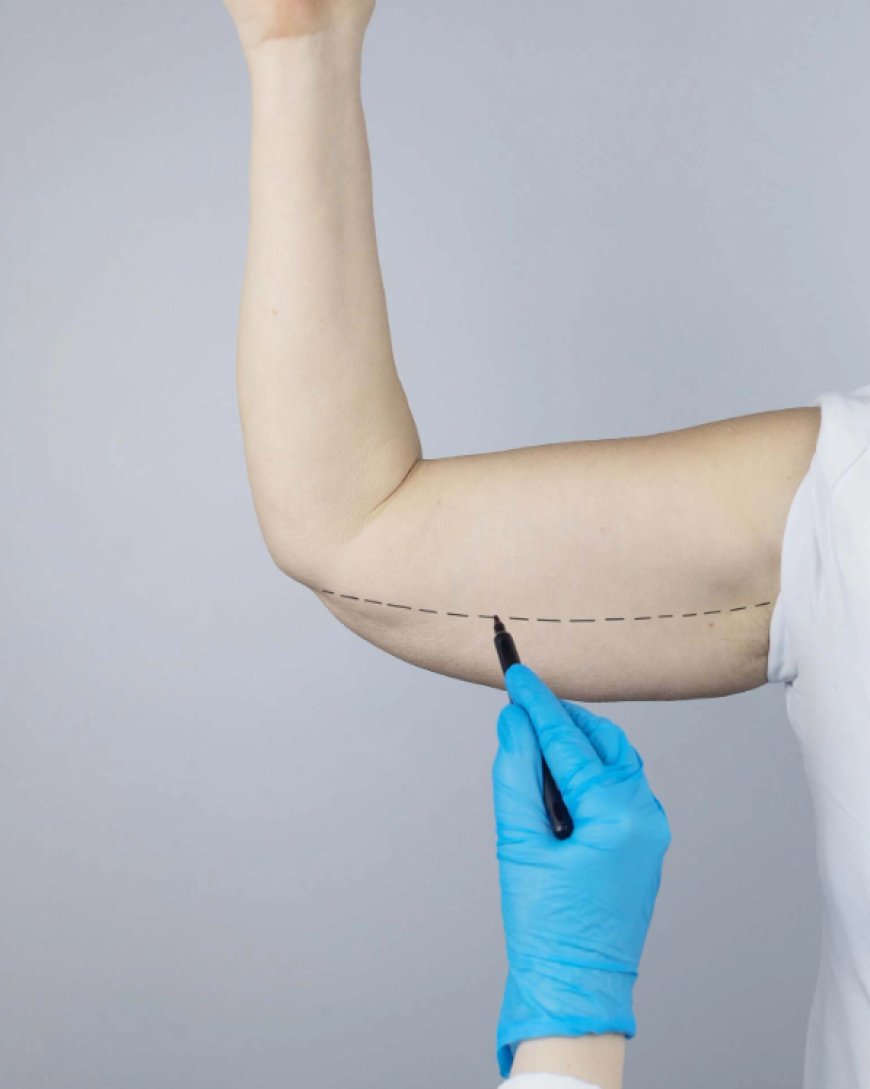
Anesthesia During Arm Lift Surgery: What to Know for a Safe Procedure
When preparing for an arm lift (brachioplasty), understanding how anesthesia is administered is a crucial part of feeling comfortable and confident on your surgery day. Because brachioplasty involves precise tissue dissection, skin excision, and internal suturing along the sensitive inner arms, the procedure must be performed under appropriate anesthesia to ensure you remain completely comfortable and pain-free.
Arm lift surgery in Jeddah is a cosmetic procedure designed to improve the appearance of sagging skin and excess tissue around the upper arms.
Here is a comprehensive breakdown of what you need to know about anesthesia options, safety protocols, and what to expect during your arm lift in Jeddah.
Anesthesia Options for Brachioplasty
Depending on the extent of your procedure, your plastic surgeon and board-certified anesthesiologist will recommend the most appropriate level of sedation:
-
General Anesthesia (Most Common):
-
How It Works: You are completely asleep and unaware throughout the entire operation. A breathing tube or laryngeal mask is gently placed to manage your breathing while your vital signs are continuously monitored.
-
Best For: Standard full arm lifts, extended brachioplasty, and procedures combined with liposuction or other body contouring surgeries (like a tummy tuck). It ensures absolute immobility and complete comfort during extensive tissue remodeling.
-
-
Intravenous Sedation Combined with Local Anesthesia ("Twilight Sleep"):
-
How It Works: Medications are administered through an IV to put you into a deep, relaxed sleep, while local anesthetic is injected directly into the surgical area to numb the arms.
-
Best For: Minimal-incision or mini arm lifts where the scope of surgery is more localized and shorter in duration.
-
The Role of Your Board-Certified Anesthesiologist
Your safety during anesthesia is managed by a specialized medical doctor (anesthesiologist) whose sole focus is your well-being throughout the procedure:
-
Pre-Operative Assessment: Prior to surgery, your anesthesiologist reviews your medical history, current medications, allergies, and previous surgical experiences to tailor the anesthetic plan specifically to your body.
-
Continuous Intra-Operative Monitoring: Throughout the surgery, advanced equipment tracks your heart rate, blood pressure, oxygen levels, breathing rate, and core body temperature in real time.
-
Smooth Reversal: Once the surgery concludes, anesthesia medications are carefully tapered off, allowing you to wake up safely and comfortably in the recovery suite.
What to Expect Before, During, and After Anesthesia
Knowing the step-by-step process helps alleviate pre-surgery anxiety:
-
Before Surgery: You will fast (typically avoiding all food and drink from midnight the night before) to ensure your stomach is completely empty, which prevents complications during anesthesia induction.
-
During Surgery: Once in the operating room, monitors are attached, IV lines are secured, and the anesthesia is administered smoothly. You will drift off to sleep within seconds and wake up after the procedure is finished.
-
Waking Up: In the post-anesthesia care unit (PACU), nurses monitor you closely as the anesthesia wears off. Common, temporary side effects include mild grogginess, dry throat, or slight nausea, which are easily managed with medication.
Preparing for a Smooth Recovery
Because anesthesia medications take time to completely clear your system, plan for a relaxed transition home:
-
Arrange an Escort: You must have a trusted family member or friend drive you home from the surgical facility, as you cannot drive or take public transportation.
-
Rest for 24 Hours: Plan to rest quietly at home for the remainder of the day. Avoid making major decisions, signing legal documents, or operating machinery for at least 24 hours post-surgery.
-
Hydrate and Eat Light: Start with sips of water and light, easily digestible foods as your appetite returns.
Prioritizing Your Safety
Choosing an accredited surgical facility in Jeddah with experienced, board-certified anesthesiologists ensures that your arm lift is performed under the highest international safety standards. With expert medical care watching over every detail, you can focus entirely on your healing and your exciting transformation.
What's Your Reaction?
 Like
0
 Dislike
0
 Love
0
 Funny
0
 Angry
0
 Sad
0
 Wow
0