Best Flood Insurance Companies in Florida and What Buyers Miss

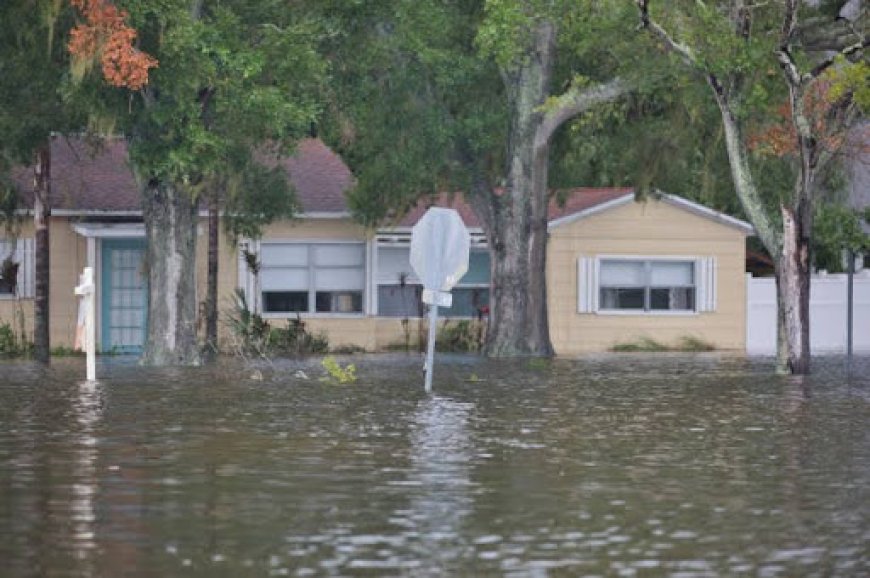
Everybody in Florida talks about wind. Hurricane this, hurricane that. Meanwhile the thing that actually drains a savings account is water, and a regular homeowners policy won't touch it. Not a dollar. People learn this the hard way, usually standing in a soaked living room with an adjuster on the phone. So naturally they go looking for the best flood insurance companies in Florida, hoping somebody will just hand them a name. I wish it worked like that. It doesn't. What's right for a condo owner in Miami is probably wrong for a guy with a slab house near Lake Okeechobee, and this post walks through why, minus the sales talk.
Why Florida Floods Differently Than Most Places
Florida is flat. Like, pancake flat. Water has nowhere to go, the water table sits high, and a summer thunderstorm can drop three or four inches before dinner. Then you add hurricanes on top. Inland folks get caught off guard because they figure flooding is a coastal problem, but ask anybody in Orlando or Lakeland after a big rain. More than a fifth of flood claims nationally come from outside the mapped high risk areas, and Florida isn't some exception. Let's be real, anyone with a roof here has some exposure. Aging drainage, more pavement every year, seas creeping up a little at a time. "I've lived here twenty years and never flooded" doesn't mean much anymore.
NFIP or Private, Who Sells What
Flood coverage really comes from two places. One is the National Flood Insurance Program, backed by FEMA. The other is private carriers. The NFIP gets sold through agents and insurance companies, but the policy itself is the same no matter who's selling it, so shopping around inside the program mostly gets you a different agent, not a different product. Residential limits max out at $250,000 on the structure and $100,000 on contents. Private policies can go well past that, and some throw in extras like replacement cost on belongings or a shorter wait before coverage starts. The catch is they're choosier. Certain addresses just get declined. Neither side wins across the board, it depends on the house.
What Sets Top Flood Insurance Providers Apart
So what actually separates one company from another? Claims, mostly. A cheap premium is worthless if the adjuster shows up six weeks after the storm. On private carriers, check financial strength, AM Best ratings are easy to look up. Then look at the agent. Can they explain what's covered in a finished lower level or a detached garage, or do they wave their hands? Those things get treated differently and it matters. Local experience is underrated too. Someone who's written policies around Tampa Bay or the Keys for years knows which streets fill up and which maps are behind. Read reviews, sure, but the three star ones tell you more than the rants or the raves.
Getting a Flood Zone Insurance Quote Without the Runaround
Getting a flood zone insurance quote sounds easy and mostly isn't, because the number swings depending on what gets fed into it. Address, flood zone, elevation, foundation type, year built, how much coverage. Get one wrong and the price moves later, which annoys everyone. An elevation certificate can help, sometimes a lot, so ask the agent whether one makes sense for that property. Get more than one quote. Compare the government price with the private ones. Ask if fees and surcharges are baked in, because they aren't always. And don't just chase the lowest number. Deductibles, limits and waiting periods all change what that number actually buys.
Flood Zones, Lenders and Mortgage Rules
Lenders are strict about this part. If a home sits in a special flood hazard area, that's the A and V zones, and there's a federally backed mortgage on it, flood insurance isn't optional. Zone X gets described as moderate to low risk, which people hear as no risk. It isn't. A lot of Zone X owners carry a policy anyway since the premiums tend to run small. Then there's remapping. A house that sat outside the line last year can end up inside it, and suddenly the lender sends a letter demanding coverage the owner never budgeted for. Happens more than folks think. Checking the current map before buying a house, not after, saves a headache.
Why the Price Keeps Moving
Pricing changed when FEMA moved to Risk Rating 2.0. It looks at things like how close the home is to water, how often that area floods, and what it would cost to rebuild, instead of leaning only on the old zone lines. Some Florida owners saw their bill drop. Others got increases every year, capped but steady. Nobody enjoys hearing that. A higher deductible lowers the premium but leaves more on the owner after a loss, so it's a real trade, not a free trick. Homes up on raised foundations usually do better than slabs close to the coast. Knowing which levers exist makes comparing top flood insurance providers a lot less confusing.
The 30 Day Waiting Period and Other Traps
The 30 day waiting period gets people every single season. Buy a policy once a storm is already in the forecast cone and coverage won't start for a month, with a few exceptions like closing on a home with a loan. Too late is too late. Other traps pile up quietly. Underinsuring contents. Skipping a home inventory, so there's no list of what was lost. Assuming landscaping or cars are covered, when they're not. Taking photos of belongings before June costs nothing and helps a ton during a claim. And put the renewal date on the calendar. Lapses happen. More than anybody likes to admit.
Picking Flood Coverage in Florida Without Overthinking It
So where does that leave a buyer? Pretty simple, even if the process isn't. No single company wins every time. Compare the NFIP with private options, dig into claims reputation, and get a real flood zone insurance quote built on accurate details about the house, not guesses. Start early, well before hurricane season gets going. Ask blunt questions about limits, exclusions and how long the wait is. Finding the top flood insurance carriers really just means finding the one that fits a specific home and a specific budget. Water doesn't care about excuses. People who sort this out now sleep better later.
What's Your Reaction?
 Like
0
 Dislike
0
 Love
0
 Funny
0
 Angry
0
 Sad
0
 Wow
0