



















Best Office Flooring Options for Commercial Spaces in Toronto

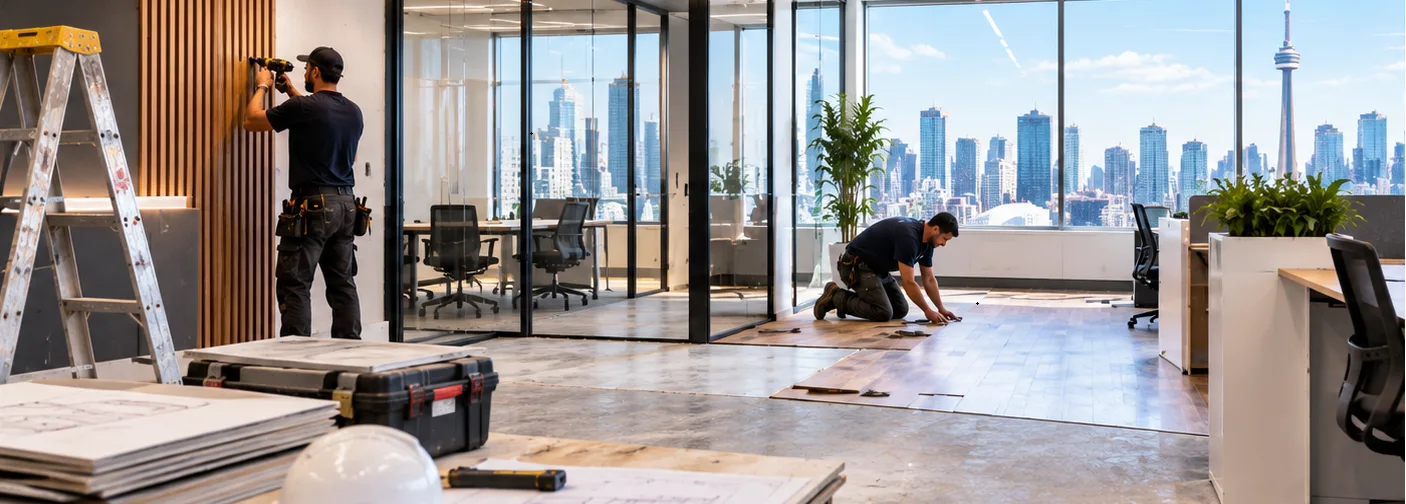
Choosing the right flooring is an important part of creating a professional, comfortable, and functional workplace. Office floors experience constant foot traffic, rolling chairs, furniture movement, and occasional spills, so businesses need materials that balance durability, appearance, maintenance, and cost. For companies planning Office Renovation in Toronto, selecting suitable flooring can improve the overall look of the workspace while supporting everyday business operations.
Why Office Flooring Matters
Office flooring influences more than the appearance of a commercial interior. It affects employee comfort, noise levels, cleaning requirements, and the overall impression visitors receive when they enter the workplace. A well-chosen floor can make an office feel spacious, organized, and welcoming.
Toronto businesses operate in a variety of commercial spaces, from compact offices to large corporate environments. Each setting has different requirements. A busy reception area may need a durable surface that handles heavy traffic, while private offices may benefit from flooring that creates a quieter and more comfortable atmosphere.
Luxury Vinyl Flooring for Modern Offices
Luxury vinyl flooring is a practical option for many commercial workplaces because it offers durability and a wide selection of designs. It can imitate the appearance of natural wood or stone while providing a surface that is generally easy to clean and maintain.
This flooring is suitable for reception areas, corridors, meeting rooms, and many general office spaces. Its resistance to everyday wear makes it appealing for businesses that want an attractive finish without extensive maintenance requirements. Depending on the product, some vinyl flooring options also offer water resistance, which can be useful in areas where occasional spills occur.
Before choosing vinyl, businesses should compare wear-layer specifications, installation requirements, warranty conditions, and the product's suitability for commercial traffic.
Carpet Tiles for Comfort and Noise Reduction
Carpet tiles are a popular choice for offices where comfort and acoustic performance are important. They can help absorb sound from footsteps, conversations, and moving chairs, making the workspace feel quieter. Their softer surface may also be more comfortable for employees who spend long periods standing or walking.
One advantage of carpet tiles is that individual damaged or stained tiles can often be replaced without removing the entire floor. This can simplify maintenance and help businesses manage long-term costs.
Carpet tiles are particularly useful in private offices, collaborative work areas, and meeting rooms. However, they require regular vacuuming and may not be the best choice for areas exposed to frequent moisture or heavy staining.
Commercial Carpet for a Professional Appearance
Wall-to-wall commercial carpet can create a consistent, comfortable finish across larger office areas. It is available in different colours, textures, and patterns, allowing businesses to coordinate the flooring with their furniture and interior design.
Carpet can contribute to a quieter environment, which is valuable in offices where employees need to concentrate. It can also help create a warm and welcoming atmosphere for clients and visitors.
When considering commercial carpet, businesses should evaluate stain resistance, cleaning needs, durability, and suitability for high-traffic areas. Choosing an appropriate commercial-grade product can help maintain its appearance for longer.
Porcelain and Ceramic Tiles for High-Traffic Areas
Porcelain and ceramic tiles are durable flooring options that can work well in selected commercial spaces. They are relatively easy to clean and can provide a polished, professional appearance. Porcelain tiles are generally denser and less absorbent than standard ceramic tiles, making them useful where durability and moisture resistance are priorities.
These materials may suit entrance areas, washrooms, kitchenettes, and other spaces where frequent cleaning is necessary. However, tiled surfaces can feel hard underfoot and may create more noise than carpeted flooring. Their installation can also involve higher preparation and labour costs.
Businesses should select appropriate slip-resistant finishes, particularly in entrance areas where rain, snow, or wet footwear may introduce moisture.
Hardwood and Engineered Wood Flooring
Hardwood and engineered wood flooring can create an elegant appearance in executive offices, boardrooms, and client-facing spaces. Their natural textures and warm colours can complement modern furniture and create a sophisticated interior.
Engineered wood generally consists of a real wood surface supported by layered materials, while solid hardwood is made from a single piece of wood. Each option has different installation, maintenance, and moisture considerations.
Although wood flooring can enhance the visual appeal of an office, it may require more careful maintenance than some commercial alternatives. Businesses should consider foot traffic, furniture movement, moisture exposure, and the manufacturer's recommendations before selecting a wood-based floor.
Polished Concrete for Contemporary Commercial Interiors
Polished concrete is another option for businesses seeking a modern, minimalist office design. It can work well in creative studios, open-plan offices, showrooms, and certain industrial-style commercial spaces.
Concrete flooring can offer durability and relatively straightforward routine cleaning when properly installed and maintained. Its appearance can also complement exposed ceilings, glass partitions, and contemporary lighting.
However, concrete is a hard surface and may contribute to noise or discomfort when employees stand for long periods. Businesses should also assess the existing slab condition, surface preparation requirements, finishing options, and any need for additional acoustic treatments.
Consider Flooring Costs and Installation Requirements
The total cost of office flooring depends on the material, floor area, existing surface condition, preparation work, installation method, and finishing details. Removing old flooring, levelling an uneven subfloor, moving furniture, and working around existing office systems can add to the overall project cost.
During Office Renovation in Toronto, businesses should compare the total installed cost rather than focusing only on the price per square foot of the flooring material. Long-term cleaning, repairs, replacement requirements, and expected service life should also influence the decision.
It is useful to request a detailed quotation that explains material allowances, preparation work, installation, disposal, and any additional charges. This helps businesses compare proposals more accurately and plan their renovation budgets.
Choose Flooring That Suits Toronto's Climate
Toronto experiences seasonal changes, including cold winters, snow, rain, and humid summer conditions. Employees and visitors may bring moisture, salt, and dirt into the office, especially near entrances.
Commercial entrance mats can help capture debris and moisture before they spread across the workspace. Businesses should also choose flooring materials and finishes that suit the expected conditions and follow appropriate cleaning and maintenance practices.
In areas exposed to wet footwear, slip resistance and easy cleaning deserve particular attention. A flooring plan that accounts for local weather can help preserve the appearance and safety of the workplace throughout the year.
Work With a Professional Office Renovation Contractor
Selecting the right flooring involves more than comparing colours and samples. The existing floor condition, business activities, accessibility needs, installation schedule, and compatibility with other interior finishes must all be considered.
GN Construction & Design Inc. can be considered by businesses planning commercial interior improvements in Toronto. Discussing the office's requirements with an experienced renovation professional can help identify suitable materials, coordinate flooring with the wider design, and plan installation around business operations.
It is also important to consider disruption. Depending on the size and layout of the office, phased installation may help some businesses maintain partial operations while renovation work takes place.
Make the Right Flooring Choice for Your Office
The best office flooring depends on how the space is used, the appearance a business wants to achieve, its maintenance expectations, and its available budget. Luxury vinyl offers design flexibility, carpet tiles can help control noise, tiles suit selected high-traffic areas, and polished concrete can complement contemporary interiors.
For businesses planning Office Renovation in Toronto, comparing these options carefully can help create a workspace that looks professional and performs well over time. With appropriate material selection, thorough preparation, and professional installation, office flooring can become a lasting investment in the comfort and functionality of the commercial space.
What's Your Reaction?
 Like
0
 Dislike
0
 Love
0
 Funny
0
 Angry
0
 Sad
0
 Wow
0