



















Is Your Clinic Ready for a Pollution Board Inspection? A Bio Medical Waste Checklist
Prepare for a pollution board inspection. See what inspectors check, how to keep your bio medical waste certificate valid, and renew on time.


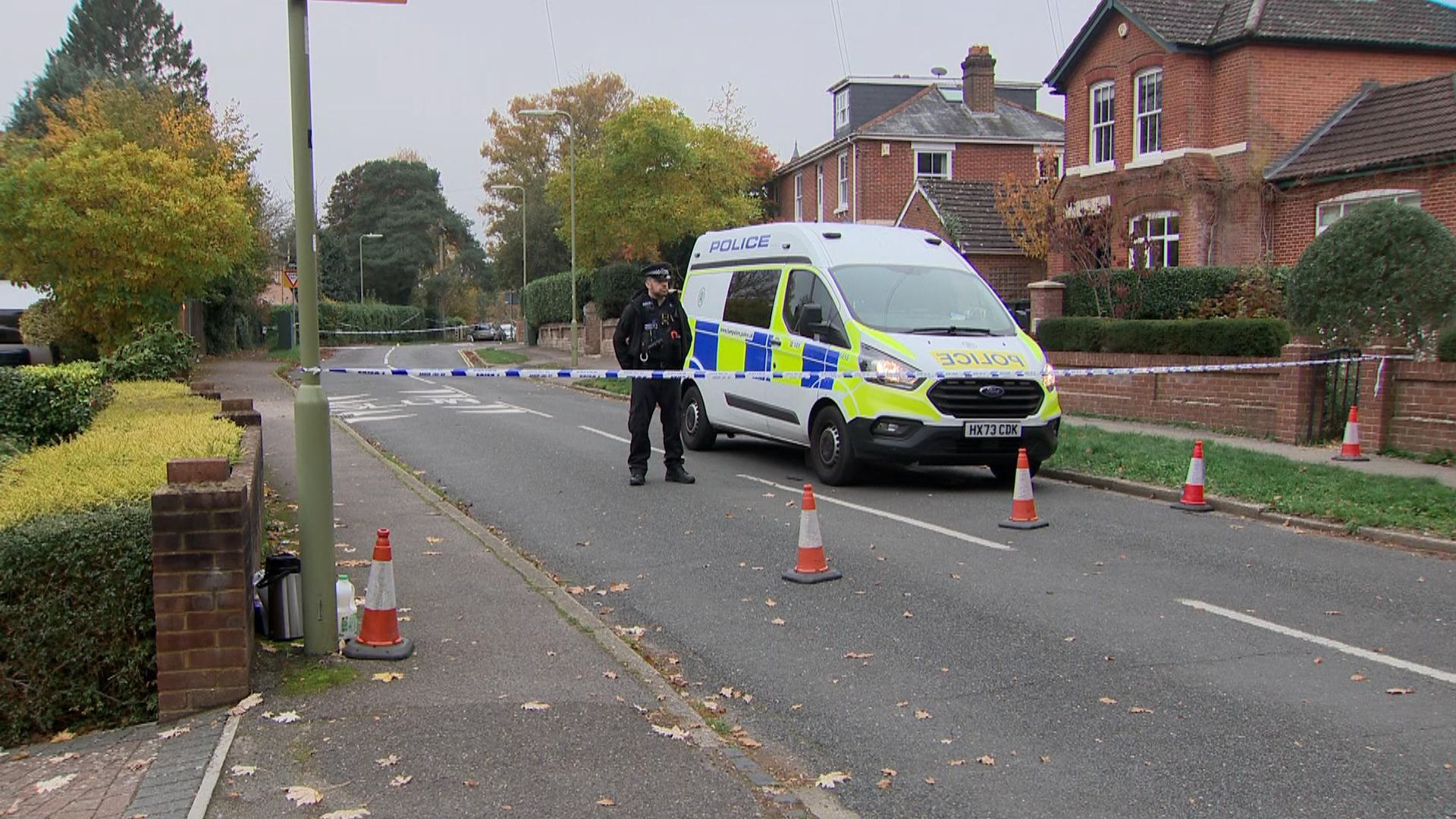
Picture a regular Tuesday at your clinic. The waiting room is full, the lab is running samples, and then a pollution control board officer walks in and says, "May I see your bio medical waste records?"
Some owners smile and pull out a neat file. Others freeze. The difference isn't luck. It's preparation.
This guide walks you through what inspectors usually look for, how to keep your bio medical waste certificate valid, and how to make bio medical waste registration a one-time effort instead of a yearly panic.
First, a Quick Reality Check
Under India's Bio-Medical Waste Management Rules, 2016 (as amended), healthcare facilities that generate such waste must hold authorisation from the State Pollution Control Board or Pollution Control Committee. That authorisation is what most people call the certificate.
Having it is the starting point. Showing that you actually follow it day to day is what keeps you out of trouble.
What Inspectors Commonly Check
Inspection styles differ, but these areas come up again and again:
- Valid authorisation: is it current, and does it match your facility's name, address, and activities?
- Segregation at source: are waste bins colour-coded and placed where waste is generated?
- Sharps handling: are needles and blades going into puncture-proof containers?
- Storage area: is waste stored safely, away from patients, and for no longer than permitted?
- Treatment facility agreement: is there a current agreement with an authorised Common Bio-medical Waste Treatment Facility (CBWTF)?
- Records: do your registers show waste generated and handed over?
- Staff awareness: can your nurses and housekeeping team explain what goes in which bin?
- Annual report: has it been submitted on time?
Build Your Inspection File Today
Keep one folder, physical or digital, with everything in one place:
- Copy of your authorisation and the latest renewal
- Agreement and recent pickup records from your CBWTF
- Daily or monthly waste registers
- Staff training records with dates and signatures
- Health and immunisation records for staff who handle waste, as advised under the rules
- Copy of your last annual report
- Incident records, if any, and what was done about them
When the file is ready, an inspection stops feeling like a surprise exam.
Choosing a Treatment Facility You Can Trust
Most clinics and labs depend on a CBWTF to collect and treat their waste, so this choice matters. Before you sign:
- Confirm the facility holds valid authorisation from the board
- Ask how often pickups happen and in what vehicles
- Check that they give receipts or records for every collection
- Compare service areas, since the facility must be able to cover your location
- Read the agreement carefully, including pickup schedule and charges
A reliable partner makes compliance far easier, because your own records will line up with theirs.
Keep the Certificate Valid: Renewal Without Stress
Authorisation does not last forever, and rules about validity and renewal can vary by state. A simple routine avoids gaps:
- Note the expiry date the day the authorisation arrives
- Set reminders three months and one month before it ends
- Review your documents, since your facility details may have changed
- Apply early, so any query from the board can be handled calmly
- Replace outdated copies in your inspection file once the renewed version arrives
If you recently expanded, added beds, or started new services, tell the board in line with its process. Operating beyond what your authorisation covers can cause problems.
Mistakes That Are Easy to Prevent
- Assuming a small clinic doesn't need bio medical waste registration
- Letting the certificate expire while "waiting for a convenient time"
- Using one bin for everything because it's quicker
- Skipping staff training after new hires join
- Keeping records in loose papers that nobody can find later
Every one of these takes minutes to fix and can save you real trouble later.
Quick Daily Habits That Keep You Compliant
- Check that every bin has the right bag and a working lid
- Seal sharps containers before they overflow
- Record waste handed over each day or at every pickup
- Do a short staff reminder at the start of the week
- Walk through the storage area once a week
Frequently Asked Questions
What if an inspector finds a problem?
Stay calm, cooperate, and ask what needs to be corrected. Then fix it promptly and keep a record of what you did.
Do home-visit practitioners or very small set-ups also need to comply?
The rules apply to anyone who generates bio medical waste. Your State Pollution Control Board can tell you how they apply to your set-up.
Where do I get the latest forms and fees?
From your State Pollution Control Board or its official website. Since details change, avoid relying on old copies.
Final Thoughts
Compliance isn't about fearing inspections. It's about running a safe, tidy facility where waste never becomes a risk to patients, staff, or the neighbourhood. Keep your certificate current, keep your records honest, and keep your team trained. Then, when someone walks in and asks for your file, you can simply hand it over.
What's Your Reaction?
 Like
0
 Dislike
0
 Love
0
 Funny
0
 Angry
0
 Sad
0
 Wow
0




