

















Breast Filler Injections: Before and After Care
Learn about Breast Filler Injections in Dubai before and after care, including consultation, preparation, recovery, activity guidance, follow-up, results, and safety considerations.

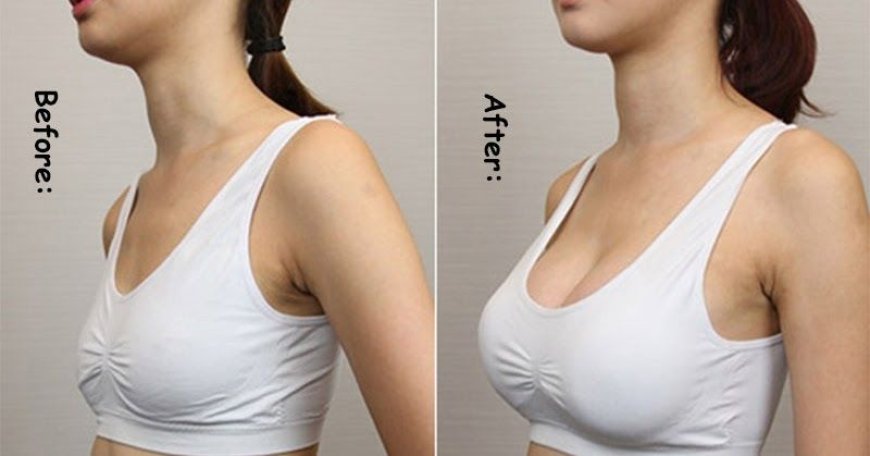
Breast Filler Injections in Dubai require attention to both preparation and aftercare. Understanding what should be discussed before treatment and how the treated area may be managed afterward can help patients approach the procedure with realistic expectations. Because individual circumstances vary, all preparation and recovery instructions should come from the qualified medical professional performing the treatment.
Preparing for Your Treatment
Preparation begins with a thorough consultation. During this appointment, patients can discuss their cosmetic goals, existing breast anatomy, previous procedures, medical history, medications, and allergies.
The practitioner can assess whether injectable enhancement is appropriate and explain the proposed treatment in detail.
Patients should provide accurate information about their health and follow any specific preparation instructions given by their medical professional.
Establishing Realistic Expectations
Before treatment, it is important to understand what the procedure is intended to achieve. Some patients may want subtle volume enhancement, while others may be interested in improving contour or visual balance.
The achievable result depends on individual anatomy, product characteristics, treatment technique, and other factors.
A consultation should therefore include a discussion of realistic outcomes and limitations rather than relying on photographs or promotional claims.
Breast Augmentation In Dubai and Before-Care Planning
When researching Breast Augmentation In Dubai, patients may encounter different surgical and nonsurgical approaches. These procedures can vary in technique, recovery, longevity, and potential complications.
If injectable treatment is being considered, patients should ask whether it is suitable for their particular goal and whether another approach may be more appropriate.
Understanding these differences before treatment can help patients make an informed choice based on their individual circumstances.
Reviewing the Proposed Product
Patients should understand what injectable product is being considered before proceeding. The practitioner should explain relevant information about the product, including its characteristics, intended use, expected duration, and potential complications.
Not every injectable material is suitable for breast enhancement, so product selection should be based on professional assessment.
Patients should feel comfortable asking questions about why a particular product is being proposed and what alternatives may exist.
Planning the Treatment Day
Patients should follow any instructions provided by the treating professional before arriving for the procedure.
It may also be useful to plan the rest of the day and the following days around the possibility of temporary discomfort, swelling, bruising, or tenderness.
Having a clear understanding of the expected recovery period can make it easier to manage work, exercise, travel, and social activities.
What to Expect After Treatment
After injectable treatment, temporary changes may occur around the treated area. Depending on the procedure and individual response, patients may experience swelling, bruising, tenderness, redness, or sensitivity.
These effects can influence the appearance during the early recovery period.
Patients should not assume that the immediate post-treatment appearance represents the final result. The treated area may change as temporary effects settle.
Following Aftercare Instructions
Aftercare should be based on the instructions provided by the treating professional. Patients may receive guidance about physical activity, pressure on the treated area, skincare, and other temporary precautions.
Following these instructions carefully can support appropriate recovery.
Patients should avoid introducing their own treatments or making significant changes to aftercare without discussing them with the medical professional.
Managing Physical Activity
Depending on the specific procedure, temporary modifications to physical activity may be recommended.
Patients should ask when they can return to exercise and other demanding activities. The appropriate timeline can vary based on the treatment and individual healing.
Following professional guidance is preferable to relying on general recovery timelines found online.
Monitoring the Treated Area
During recovery, patients should pay attention to how the treated area changes. Some swelling, tenderness, or bruising may be expected, but unusual or persistent symptoms should not be ignored.
If the patient develops concerning changes, contacting the treating professional can help determine whether further assessment is needed.
Prompt communication can be particularly important when symptoms are unexpected or become more pronounced rather than improving.
Understanding the Developing Result
The appearance of the breasts can change during recovery. Temporary swelling may make the breasts look different immediately after treatment compared with later stages.
A follow-up appointment can provide an opportunity to assess the developing result once the initial recovery period has progressed.
Patients should avoid making decisions about additional treatment solely based on the early appearance.
Maintaining Breast Health
Cosmetic treatment does not replace routine breast health awareness or appropriate medical examinations.
Patients should inform relevant healthcare professionals about previous breast procedures when undergoing future examinations or imaging. Keeping treatment information and product details can be useful for future medical records.
Any new or persistent breast change should be evaluated appropriately.
Planning Follow-Up Care
Follow-up care allows the practitioner to review healing and discuss the patient's experience. The timing of follow-up depends on the procedure and the treating professional's recommendations.
During this stage, patients can raise questions about the result, recovery, or any concerns they have noticed.
If further enhancement is being considered, it should be discussed after appropriate assessment rather than automatically scheduled.
Potential Complications
Injectable breast procedures can involve potential complications. Depending on the product and technique, these may include infection, inflammation, swelling, bruising, lumps, uneven appearance, or other unwanted changes.
Patients should receive specific information about the risks associated with the treatment being considered.
Understanding warning signs and knowing who to contact after treatment are important parts of aftercare planning.
Long-Term Considerations
Before and after care should also include consideration of longer-term treatment needs. The duration of cosmetic effects can vary according to the product and individual circumstances.
Patients should understand that future treatment may or may not be appropriate and should be determined through professional assessment.
Keeping records of previous cosmetic procedures can also help future healthcare providers understand the patient's treatment history.
Final Thoughts
Proper before and after care can be an important part of the overall Breast Filler Injections in Dubai experience. Preparation includes professional consultation, medical history review, realistic expectations, and understanding the proposed product and procedure. After treatment, patients should follow individualized aftercare instructions, monitor the treated area, attend recommended follow-ups, and seek professional advice about unusual symptoms. A qualified medical professional can provide guidance tailored to the specific treatment and individual circumstances.
What's Your Reaction?
 Like
0
 Dislike
0
 Love
0
 Funny
0
 Angry
0
 Sad
0
 Wow
0





