












Burst Pipe Repair: Causes, Warning Signs, and How Hydro Jetting Helps Maintain Pipes

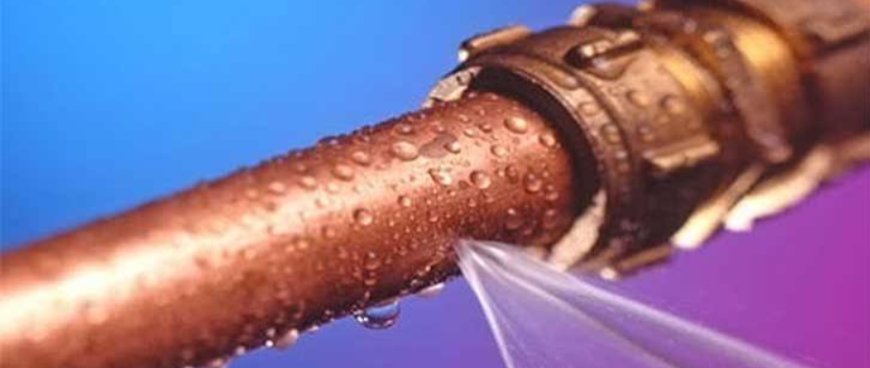
A burst pipe can quickly turn into a serious plumbing problem. Water can spread through walls, ceilings, floors, and other parts of a property, potentially causing significant water damage. Prompt burst pipe repair is important to stop the water flow and prevent further damage.
While pipe bursts are often linked to freezing temperatures, they can also result from corrosion, high water pressure, aging pipes, shifting foundations, or physical damage. Regular plumbing maintenance can help identify some of these issues before they lead to a major failure.
Another plumbing service that can support pipe maintenance is hydro jetting. This method uses high-pressure water to clean buildup from inside pipes and can be useful when conventional drain cleaning methods are not enough.
What Is a Burst Pipe?
A burst pipe occurs when a plumbing pipe develops a major crack, split, or opening that allows water to escape rapidly. The damage can occur in exposed plumbing or in pipes hidden behind walls, under floors, or underground.
A burst pipe should be treated as an urgent plumbing issue because continued water flow can damage building materials and personal belongings.
Common Causes of Burst Pipes
Understanding why pipes burst can help property owners identify potential risks.
Aging Pipes
Older pipes can weaken over time because of corrosion, mineral buildup, repeated pressure changes, and general wear. As the pipe material deteriorates, it may become more vulnerable to cracks and breaks.
High Water Pressure
Excessive water pressure can put additional stress on plumbing components. Over time, this pressure may contribute to leaks or pipe failure, particularly in older plumbing systems.
Freezing Temperatures
When water freezes inside a pipe, it expands. This expansion increases pressure inside the plumbing system and can cause a pipe to crack or burst.
Corrosion
Metal pipes can corrode over time. Corrosion may weaken the pipe wall and eventually result in leaks or a complete failure.
Physical or Structural Damage
Construction work, shifting soil, tree roots, or movement around underground plumbing can damage pipes. A weakened section may eventually develop a significant leak or burst.
Signs You May Have a Burst Pipe
Some burst pipes are obvious, while others occur in concealed areas. Watch for signs such as:
- Sudden loss of water pressure
- Large amounts of water around a plumbing fixture
- Unexplained water pooling
- Damp walls or ceilings
- Water stains
- Sounds of running water when fixtures are off
- Sudden increases in water usage
- Wet or damaged flooring
- Mold or musty odors
If water is actively escaping from a damaged pipe, the main water supply should be shut off if it can be done safely, and professional plumbing assistance should be contacted promptly.
What to Do Before Burst Pipe Repair
Taking immediate action can help limit water damage while waiting for professional assistance.
First, turn off the main water supply if the location of the shutoff valve is known and it is safe to access. Open appropriate faucets to help relieve pressure in the plumbing system.
If water has reached electrical outlets, appliances, or electrical equipment, avoid contact with the affected area and follow appropriate electrical safety precautions.
Remove movable items from the affected area when possible and document visible water damage for property records or insurance purposes.
The damaged pipe should then be inspected by a qualified plumbing professional to determine the appropriate repair.
What Does Burst Pipe Repair Involve?
The repair process depends on the location, material, and extent of the damage.
A plumber typically begins by locating the damaged section and stopping the water supply. The affected pipe is then accessed, which may involve removing a small section of wall, flooring, or other material if the pipe is concealed.
The damaged section may be repaired or replaced depending on its condition. If the surrounding pipe is severely corroded or deteriorated, replacing a larger section may be more appropriate than repairing only the visible break.
After the repair, the plumbing system can be tested to check for leaks and confirm that water is flowing properly.
Can a Burst Pipe Be Prevented?
Not every burst pipe can be prevented, but regular inspections and maintenance can reduce some risks.
Homeowners can monitor water pressure, address visible corrosion, protect exposed pipes from freezing temperatures, and repair small leaks before they become larger problems.
Properties with older plumbing may benefit from periodic professional inspections to identify pipes that are approaching the end of their service life.
What Is Hydro Jetting?
Hydro jetting is a professional pipe-cleaning method that uses highly pressurized water to remove buildup and debris from the inside of plumbing and sewer pipes.
Unlike basic drain cleaning methods that may only create an opening through a blockage, hydro jetting can clean a larger portion of the pipe's interior.
Depending on the plumbing system, hydro jetting may help remove:
- Grease
- Sludge
- Mineral deposits
- Soap residue
- Food-related buildup
- Organic debris
- Certain types of root intrusion
The appropriate pressure and equipment depend on the pipe material, condition, size, and location.
When Is Hydro Jetting Recommended?
Hydro jetting may be considered when a property has recurring drain blockages or significant buildup inside the plumbing system.
It can be particularly useful for commercial properties, restaurants, and buildings where grease and other materials can accumulate quickly. Residential plumbing systems may also benefit from hydro jetting when standard drain cleaning does not provide a lasting solution.
Before hydro jetting, a plumber should assess the condition of the pipes. Very old, damaged, or weakened pipes may require another approach because high-pressure water can potentially worsen existing structural damage.
Is Hydro Jetting the Same as Drain Cleaning?
Both services address drainage problems, but they are not exactly the same.
Traditional drain cleaning may use mechanical equipment to break apart or remove a specific blockage. Hydro jetting uses high-pressure water to clean buildup from the interior walls of a pipe.
The appropriate method depends on the cause of the blockage and the condition of the plumbing system.
Can Hydro Jetting Prevent Burst Pipes?
Hydro jetting is primarily a pipe-cleaning method, not a direct solution for structural pipe problems. It can remove certain types of buildup that restrict flow, but it cannot repair a cracked, corroded, or structurally damaged pipe.
If a pipe is already weakened, a professional inspection should be completed before using high-pressure cleaning equipment.
Keeping pipes relatively free from heavy buildup can support proper drainage, but preventing burst pipes also requires attention to pipe age, water pressure, corrosion, freezing conditions, and physical damage.
Why Pipe Inspection Matters
When plumbing problems keep returning, simply clearing the blockage may not address the underlying cause.
A camera inspection can provide a view of the inside of certain pipes and help identify cracks, root intrusion, corrosion, buildup, or other problems.
This information can help a plumber determine whether cleaning, repair, replacement, or another solution is appropriate.
Frequently Asked Questions
What should I do if a pipe bursts?
Turn off the main water supply if it is safe to do so, open appropriate faucets to relieve pressure, move belongings away from the affected area, and contact a professional plumber. If water is near electrical equipment, avoid the area and follow electrical safety precautions.
How quickly should burst pipe repair be completed?
Burst pipe repair should be addressed as soon as possible because continued water flow can increase structural and property damage. The urgency depends on the location and severity of the leak.
What causes pipes to burst?
Common causes include freezing temperatures, corrosion, aging plumbing, excessive water pressure, physical damage, and structural movement around underground pipes.
Can a small pipe leak turn into a burst pipe?
Yes. A small crack or weakened section can deteriorate over time, particularly when the pipe is exposed to corrosion, pressure, or other stress. Prompt inspection can help determine whether repair or replacement is necessary.
What is hydro jetting used for?
Hydro jetting uses high-pressure water to remove grease, mineral deposits, sludge, organic material, and other buildup from inside plumbing and sewer pipes.
Is hydro jetting safe for all pipes?
No. The condition and material of the pipe should be evaluated before hydro jetting. Damaged, severely weakened, or deteriorated pipes may require a different cleaning method.
How often should hydro jetting be performed?
There is no universal schedule. The frequency depends on the property's plumbing, pipe condition, usage, and history of blockages. A plumber can recommend an appropriate maintenance schedule based on inspection findings.
Does hydro jetting remove tree roots?
Hydro jetting can sometimes remove or cut through certain root intrusion inside sewer lines. However, if roots have entered through damaged sections of pipe, removing the roots alone may not resolve the underlying structural problem.
Can hydro jetting fix a burst pipe?
No. Hydro jetting is designed to clean pipes, not repair structural damage. A burst or cracked pipe requires appropriate repair or replacement after the damaged section has been assessed.
When should I call a plumber for recurring blockages?
If a drain repeatedly becomes clogged despite cleaning, multiple fixtures are affected, water backs up, or there are unusual noises or odors, professional inspection may be appropriate. Recurring blockages can sometimes indicate a deeper plumbing or sewer issue.
Final Thoughts
A burst pipe can cause extensive water damage if it is not addressed quickly. Understanding the warning signs and common causes can help property owners respond sooner and reduce the potential impact.
At the same time, proper plumbing maintenance can help identify conditions that contribute to pipe problems. Hydro jetting can be a useful cleaning method for removing significant internal buildup, but the condition of the plumbing system should always be evaluated before high-pressure cleaning is performed.
When a pipe is leaking, damaged, or repeatedly blocked, professional assessment can help determine whether the appropriate solution is burst pipe repair, pipe replacement, drain cleaning, hydro jetting, or another plumbing service.
What's Your Reaction?
 Like
0
 Dislike
0
 Love
0
 Funny
0
 Angry
0
 Sad
0
 Wow
0




