Can Rhinoplasty Improve Breathing as Well as Nose Shape?

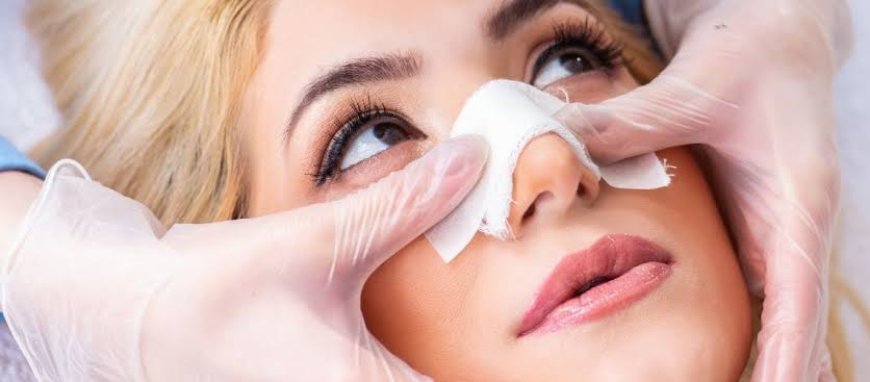
Rhinoplasty can change the appearance of the nose while, in suitable cases, also addressing structural problems that affect airflow. For people considering Rhinoplasty Dubai, the procedure may involve both aesthetic and functional goals. Dynamic Clinic in Dubai provides rhinoplasty information for people exploring changes to nasal shape and breathing. The extent of functional improvement depends on the underlying nasal anatomy and the surgical approach selected.
How Nose Structure Affects Breathing
Breathing through the nose depends on several connected structures, including the nasal septum, internal nasal valves, turbinates, and the outer nasal framework. When these structures are narrowed, displaced, or weakened, air may not pass freely through one or both sides of the nose.
Common structural factors that may contribute to nasal breathing difficulty include:
- A deviated nasal septum
- Narrow or weakened nasal valves
- Enlarged turbinates
- Previous nasal injury
- Structural changes from earlier surgery
- Irregularities in the nasal framework
Because several structures can influence airflow, improving breathing is not simply a matter of making the nose larger or smaller.
When Rhinoplasty May Support Better Airflow
A rhinoplasty procedure can sometimes improve nasal breathing when the problem is related to the structure of the nose. Surgical planning may involve reshaping or repositioning specific tissues so that the nasal passage has better structural support.
For example, correcting a deviated septum may help improve airflow when septal displacement contributes to obstruction. Strengthening a weakened nasal valve can also be considered when collapse or narrowing affects breathing, particularly during physical activity or inhalation.
Functional changes are planned according to the patient's anatomy rather than using the same technique for every nose.
Cosmetic and Functional Goals Can Be Planned Together
Some people want to change the appearance of their nose and have breathing concerns at the same time. These goals can be assessed together during treatment planning.
Aesthetic considerations may include:
- Nasal profile and bridge shape
- Tip definition
- Nasal width
- Symmetry
- Proportion with other facial features
Functional planning focuses on maintaining or improving the structures responsible for stable airflow. A well-planned procedure therefore considers both external appearance and internal nasal function.
What Is Checked Before Surgery?
A detailed nasal assessment is important when breathing improvement is part of the treatment goal. The evaluation may include examination of the nasal passages, septum, nasal valves, and other structures that could contribute to obstruction.
The medical history can also help identify whether symptoms are related to previous trauma, allergies, previous surgery, chronic congestion, or structural differences. In some cases, additional examination or nasal endoscopy may be appropriate to understand the source of the breathing problem.
This distinction matters because not every breathing difficulty is caused by the shape of the nose.
Does Changing Nose Shape Always Improve Breathing?
No. Cosmetic reshaping alone does not automatically improve nasal airflow. In some situations, excessive narrowing or changes to structural support can affect breathing if functional anatomy is not carefully considered.
This is why surgical planning should account for the nasal airway as well as the visible shape. Preserving adequate support around important areas such as the nasal valves can be an important part of functional rhinoplasty planning.
People experiencing persistent nasal obstruction should have the cause assessed rather than assuming that cosmetic reshaping will resolve the symptom.
Can a Deviated Septum Be Addressed During Rhinoplasty?
A deviated septum may be corrected during a combined functional and cosmetic procedure when it contributes to nasal obstruction. This approach is sometimes described as septorhinoplasty because it combines septal correction with reshaping of the external nose.
The exact technique depends on the location and severity of the deviation and how it affects the nasal airway. Not every septal deviation requires the same correction, and treatment is based on individual anatomy.
Factors That Influence Breathing Results
Functional outcomes can vary between individuals. Important factors may include:
- The underlying cause: Structural obstruction, inflammation, allergies, and other conditions can require different approaches.
- Nasal anatomy: Septal position, nasal valve structure, turbinate size, and cartilage strength can influence airflow.
- Previous surgery or trauma: Earlier procedures or injuries may alter the normal nasal framework.
- Surgical planning: Functional structures need to be considered alongside aesthetic changes.
- Healing: Swelling and tissue healing can temporarily affect nasal airflow after surgery.
What Should Patients Discuss During Consultation?
Anyone considering rhinoplasty for both appearance and breathing should clearly describe their concerns during consultation. Useful points to discuss include whether obstruction affects one or both sides, whether breathing changes during exercise or sleep, and whether there is a history of nasal injury or previous surgery.
It is also useful to explain aesthetic preferences while discussing functional symptoms. This gives the surgical team a clearer understanding of the desired nasal shape and the breathing concerns that need to be considered during planning.
Conclusion
Rhinoplasty can address both nasal appearance and certain structural causes of breathing difficulty when the treatment is planned around the individual's anatomy. Septal deviation, nasal valve narrowing, and other structural issues may require specific functional techniques alongside cosmetic reshaping. A thorough assessment helps determine whether rhinoplasty is appropriate for the aesthetic and breathing concerns involved.
What's Your Reaction?
 Like
0
 Dislike
0
 Love
0
 Funny
0
 Angry
0
 Sad
0
 Wow
0