














Can Women Have a Sideburn Hair Transplant in Dubai?
Explore Sideburn Hair Transplant in Dubai for women, including causes of sparse sideburns, facial framing, donor hair, design, and personalized treatment planning.
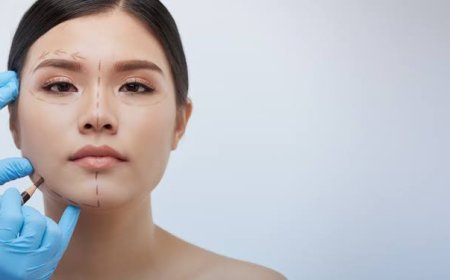
Yes, women can be candidates for Sideburn Hair Transplant in Dubai when they have stable sideburn sparsity, localized hair loss, or a hairless area that affects their preferred facial appearance. The procedure can use carefully selected follicular units to restore missing hair while maintaining a soft transition that suits the patient's natural facial features.
Female sideburn restoration is not about creating a masculine beard pattern. The design is individualized around facial proportions, existing hair, hair texture, and the patient's preferred appearance.
Why Women May Consider Sideburn Hair Restoration
Sideburn density varies naturally among women.
Some women have naturally fine or sparse hair around the temples and sideburns, while others may notice localized loss after trauma, surgery, scarring, or changes in hair growth over time.
The reason for the missing hair is important when deciding whether transplantation is appropriate.
Naturally Sparse Sideburns
Some women have always had limited sideburn growth.
If the area has remained stable and the patient wants greater definition or continuity between temple and facial hair, transplantation may be considered.
Hair Loss After Trauma or Surgery
An injury or surgical incision can permanently damage follicles.
In selected cases, transplantation can restore hair to an area where the skin has healed but normal follicular growth has not returned.
Female Sideburn Design Requires a Subtle Approach
The desired sideburn shape for a woman may differ significantly from a typical male facial-hair design.
A softer, less visually dense transition may be preferred, depending on the patient's existing hair and aesthetic goals.
The Design Follows Individual Facial Features
The sideburn is considered in relation to the:
- Temple
- Ear
- Cheek
- Jawline
- Existing facial hair
- Overall facial proportions
This prevents the transplant from looking like an isolated patch of hair.
Hair Texture Can Be Particularly Important
Many women have finer facial or temple hair.
Using grafts that visually integrate with this texture can help create a softer appearance.
Very coarse donor follicles may create unnecessary contrast if they are placed without considering the surrounding hair.
Fine Grafts Can Support a Soft Transition
Appropriately selected follicular units can be used around delicate borders.
The surgeon can determine which graft characteristics are most suitable after examining the donor area and existing hair.
The Donor Area Determines What Is Possible
A transplant requires a source of healthy follicles.
The donor area is evaluated for density, follicular characteristics, hair caliber, texture, and stability.
The available donor hair also needs to be suitable for the intended facial restoration.
Existing Hair Provides a Useful Reference
When some sideburn hair is already present, it can help guide the reconstruction.
Its direction and texture can provide information about how new follicles should be placed.
This is especially useful when the goal is to fill a small gap rather than reconstruct an entire sideburn.
Facial Proportions Influence the Final Design
A sideburn does more than add hair.
It creates a visual transition between the upper and lower portions of the face. Small changes in its position or density can therefore affect how the face is framed.
The Goal Is Harmony With the Existing Face
The transplant should complement the patient's natural features rather than follow a standardized template.
The appropriate length, width, density, and border depend on the individual's anatomy.
FUE Can Be Used for Selected Female Sideburn Cases
FUE involves removing individual follicular units from the donor area and placing them into prepared recipient sites.
For a localized sideburn restoration, this allows follicles to be distributed precisely within the planned treatment zone.
The suitability of FUE depends on the patient's individual anatomy and donor characteristics.
Hair Direction Still Matters
Female sideburn restoration requires the same attention to follicular direction as other facial hair procedures.
Hair should follow the natural pattern of surrounding growth.
Placement Should Follow the Facial Contour
The sideburn sits against a curved facial surface.
Recipient sites therefore need to be positioned with appropriate attention to angle, direction, and neighboring hair.
Women With Asymmetrical Sideburns May Also Be Candidates
Perfectly symmetrical sideburns are uncommon.
However, a noticeable difference between the two sides can sometimes be corrected through carefully planned transplantation.
The objective is usually visual balance rather than making both sides mathematically identical.
Lifestyle and Grooming Preferences Matter
A patient's usual grooming routine should be part of the consultation.
Some women may prefer a very subtle sideburn that blends into the surrounding hair, while others may want more visible continuity around the temple and cheek.
The treatment plan should reflect the desired everyday appearance.
Recovery Is Generally Planned Around Facial Visibility
Because the sideburn is on the face, temporary redness or small crusts may be noticeable during early healing.
Patients should receive clear aftercare instructions for protecting the recipient area and managing the early healing period.
Early Appearance Is Not the Final Result
Newly transplanted hair can look different during the initial stages.
The follicles need time to progress through their normal growth cycle, so the final appearance should be evaluated after adequate maturation.
Clinic note: Female sideburn transplantation should be designed around the patient's natural facial anatomy and preferred appearance. The objective is not maximum facial-hair density but an appropriate, well-integrated transition.
When Women May Benefit From a Consultation
A consultation may be appropriate for women experiencing:
- Naturally sparse sideburns
- Localized sideburn hair loss
- Unilateral hair loss
- Sideburn asymmetry
- Hair loss following trauma
- Hair loss associated with a stable scar
- A desire for greater temple-to-sideburn continuity
The underlying cause and stability of the hair loss still need to be evaluated.
When Transplantation May Need to Be Delayed
If hair loss is actively changing, the cause may need further assessment before transplantation.
Likewise, unstable scars or recently healed injuries may require additional time before the area can be considered for follicular implantation.
The timing should be determined by the treating clinician.
A Personalized Approach to Sideburn Hair Transplant in Dubai
Women considering Sideburn Hair Transplant in Dubai can benefit from an assessment that looks beyond the amount of missing hair.
At Tajmeels Clinic, consultation can include evaluation of facial proportions, existing sideburn hair, donor follicles, skin characteristics, and the desired level of restoration.
A personalized plan can help determine whether transplantation is suitable and how the restored sideburn can be designed to look natural, subtle, and proportionate to the face.
What's Your Reaction?
 Like
0
 Dislike
0
 Love
0
 Funny
0
 Angry
0
 Sad
0
 Wow
0