




















Casita vs. ADU vs. Guest House: Are They the Same Thing?

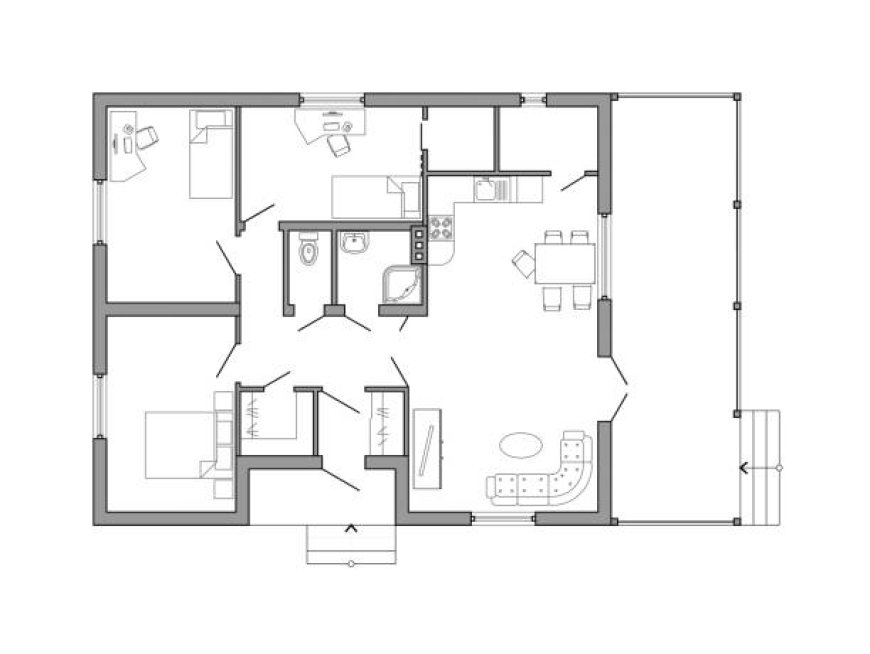
If you’ve been looking at adding another little building to your property, you’ve probably run into three terms pretty quickly: casita, ADU, and guest house. And honestly, it gets confusing. People use them almost interchangeably, even though they can mean different things depending on where you live. When looking through Casita plans, it’s easy to assume you’re just choosing a style. You’re really making decisions about how the space will work, who will use it, and what your local rules allow.
What Exactly Is a Casita?
A casita is basically a small living space that sits on the same property as the main house. The setup can vary a lot. It might be connected to the home, tucked behind the garage, or sitting completely on its own in the backyard. Usually, you’ll find a bedroom, bathroom, some kind of living area, and sometimes a kitchen or kitchenette. The word itself isn’t necessarily a legal building classification. That’s an important little detail. In many places, “casita” is more of a design or real estate term, while the city has its own rules for what that building actually is.
ADU Has a More Specific Meaning
ADU stands for accessory dwelling unit, and this one usually has a more defined meaning in local building and zoning codes. An ADU is a secondary dwelling on the same lot as a primary home. It’s generally set up so someone can live there independently, which often means a bathroom, sleeping area, kitchen, and living space. An ADU might be detached from the house or attached to it. It could even be above a garage in some situations. The exact rules vary, though. Size limits, setbacks, parking, entrances, utilities and other requirements can all come into play.
Then What Is a Guest House?
The name pretty much gives away the original idea. A guest house is a separate space for visitors to stay. Maybe your parents visit for a few weeks. Maybe friends come into town. Instead of giving them the couch, they get their own little place. Sounds simple, right? Well, legally, it can get less simple. Some areas treat guest houses differently from ADUs. There may be restrictions on kitchens, permanent occupancy, rentals, or how the structure connects to utilities. So don’t assume a building is legally a guest house just because somebody calls it one.
The Intended Use Can Change Everything
This is where homeowners should slow down a little. Think about who is actually going to use the space. If it’s just for occasional visitors, you might not need a full kitchen or a huge living area. A bedroom, bathroom, sitting space and a small refreshment area could do the job. But if your adult child might live there for several years, or you’re thinking about housing an older family member, things change. Suddenly a proper kitchen, storage, laundry and private entrance become much more useful. You don’t want to discover that after the walls are already going up.
Don’t Choose a Plan Just Because It Looks Good
A floor plan can look fantastic online and still be completely wrong for your property. That happens more than people think. Maybe the bedrooms are great, but there’s barely any storage. Or the kitchen looks nice in the drawing, but there’s nowhere sensible to put a full-size refrigerator. Small details like that become pretty obvious once someone starts living there. Look at how people will move through the space. Think about furniture. Think about groceries coming in, laundry piling up, guests arriving, and where people will leave their shoes. Real life is messier than a floor plan.
Small Doesn’t Have to Mean Cramped
There’s a difference between a small home and a badly planned one. A compact unit can feel surprisingly comfortable when the layout is handled well. Windows in the right spots can make a room feel bigger. Higher ceilings can help too. Built-in storage, a sensible kitchen layout, and fewer awkward corners all help. When comparing small house plans, don’t just compare the number of square feet. Look at what you’re actually getting for those square feet. Sometimes a smaller plan has a much better day-to-day layout than a bigger one that wastes space on hallways and oversized rooms.
Think About Future Uses Too
You might build the space for guests today and have a completely different need five or ten years from now. That’s worth thinking about before you commit. Maybe a family member eventually moves in. Maybe you want a private office now and a living unit later. Maybe rental use becomes important. A flexible design gives you more options. That doesn’t mean you need to build a giant mini-house just in case. It means making sensible choices with doors, plumbing, storage, and room layouts so the building isn’t locked into one use forever.
Local Rules Are the Part You Can’t Ignore
Before getting attached to any particular design, check your local regulations. Seriously. This is not the fun part, but it can save you a lot of headaches. Your city or county may have rules covering setbacks, height, lot coverage, parking, unit size, utility connections and where a detached structure can sit. There may also be specific requirements for an ADU that don’t apply to another type of accessory structure. A plan that works perfectly on one property might not work on yours. It’s better to find that out before spending money on drawings and construction changes.
So Which One Should You Build?
There’s no magic answer because it depends on what you actually need. If you mainly want a private spot for visitors, a basic casita or guest house could make sense. If you want a self-contained second residence, you may be looking at an ADU instead. But don’t make the decision based on the label alone. Look at your property, your budget, your future plans and the local rules. Those things matter a whole lot more than whether the brochure calls it a casita or a guest house.
Casita, ADU, or Guest House? Look Past the Name
At the end of the day, these terms overlap, but they aren’t automatically the same thing. A casita can be an ADU. A guest house might meet the requirements of an ADU in one location but not another. It all comes down to design, use, and local regulations. Start there. Figure out what you need the space to do, then find a plan that fits that need. Don’t build a beautiful little structure that looks great on paper but doesn’t work for your family. That’s an expensive mistake, and there’s really no reason to make it.
What's Your Reaction?
 Like
0
 Dislike
0
 Love
0
 Funny
0
 Angry
0
 Sad
0
 Wow
0




