













Chitosan Technology and Its Role in Modern Trauma and Wound Management - Axiobio
Modern wound management continues to evolve as healthcare professionals seek practical technologies for treating traumatic injuries and managing bleeding. From emergency departments and ambulances to hospitals and specialized wound-care environments, the right medical products can support efficient patient care.
One area receiving increasing attention is chitosan-based medical technology. Chitosan is a naturally derived biopolymer that has been studied for a range of biomedical applications, including wound management and hemostatic care. Companies such as Axiobio are developing healthcare solutions around advanced materials and technologies to address the changing needs of medical professionals.
Understanding Modern Trauma Wound Care
Traumatic wounds can result from accidents, falls, workplace injuries, sports activities, surgical procedures, and other incidents. The severity of a wound can vary significantly, from superficial injuries to wounds involving substantial bleeding and tissue damage.
A suitable Trauma dressing can form part of a broader wound-management strategy. Dressing selection should be based on the nature of the wound, the amount of bleeding, wound location, contamination, patient condition, and the intended use of the product.
Effective trauma care does not depend on a dressing alone. Healthcare professionals may need to assess the injury, control bleeding, clean the wound, monitor the patient, and arrange additional medical treatment when required.
What Is a Chitosan Wound Dressing?
Chitosan is a biopolymer commonly derived from chitin, a naturally occurring material found in sources such as crustacean shells. It has attracted interest in biomedical research because of its various physical and chemical characteristics.
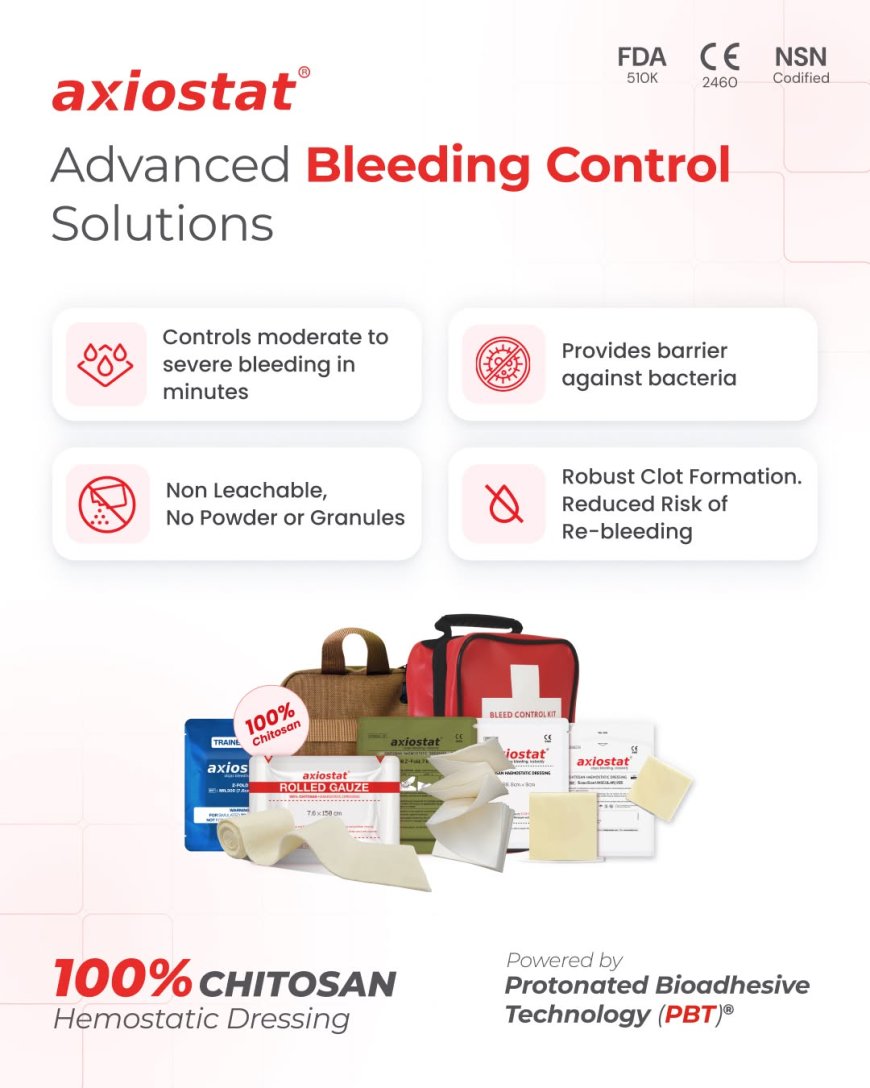
In wound care, chitosan can be incorporated into specialized products designed for particular medical applications. A chitosan wound dressing is one example of a product category developed around this material.
The exact characteristics and intended applications vary between products. Therefore, healthcare professionals should review product information carefully and use dressings according to manufacturer instructions and relevant clinical protocols.
Exploring Chitosan Technology
Advances in medical materials have created opportunities for developing specialized healthcare products. Chitosan technology represents one area of innovation being applied to wound management and bleeding-control solutions.
The development of a medical technology involves more than identifying a potentially useful material. Product developers need to consider design, manufacturing processes, quality management, usability, intended applications, appropriate testing, and regulatory requirements.
This combination of scientific research and practical product development helps transform material science into solutions that can be considered for real healthcare environments.
The Importance of Bleeding Control
Bleeding is a major concern in many traumatic injuries. Significant blood loss can require immediate intervention and professional medical care.
Depending on the circumstances, bleeding management can include direct pressure, wound packing, pressure dressings, and other established techniques. Specialized hemostatic products may provide additional options for trained users in appropriate situations.
Healthcare professionals should evaluate the severity and source of bleeding before selecting an intervention. Products should also be used according to their intended purpose.
Evaluating Hemostatic Technologies
Healthcare organizations often need to evaluate medical products based on more than marketing descriptions. Product specifications, intended use, usability, quality information, and available evidence can all contribute to informed decision-making.
Resources such as Axio vs Others can provide comparative information for readers interested in understanding different approaches to hemostatic and wound-management technologies.
Comparisons should always be interpreted in context because products can have different indications, designs, and intended applications. The most appropriate solution depends on the specific requirements of the healthcare setting and patient.
The Role of Healthcare Events in Medical Innovation
Innovation in healthcare depends on communication between medical professionals, researchers, manufacturers, distributors, and other industry stakeholders.
Professional healthcare events provide opportunities for knowledge exchange and discussions about emerging technologies. Conferences, exhibitions, seminars, and industry meetings can help healthcare professionals learn about developments in medical devices and wound-management practices.
For manufacturers, these events can also provide opportunities to understand clinical requirements and build professional relationships within the healthcare industry.
Reliable Information for Wound Management
Healthcare professionals need access to accurate information when researching wound-care technologies. Educational resources can help readers understand different approaches to wound management, bleeding control, and medical-device innovation.
Axiobio's Wound Management and Bleeding control Insights provide information covering topics associated with wound and bleeding management.
From an EEAT perspective, healthcare content should be written responsibly. Medical information should avoid unsupported promises, distinguish educational information from individualized medical advice, and encourage consultation with qualified professionals when treatment decisions are involved.
Working With Medical Device Suppliers
Healthcare organizations depend on reliable supply chains to access medical products. Selecting a supplier can involve several considerations, including product availability, quality documentation, communication, technical support, and business requirements.
Healthcare organizations searching for Medical device suppliers can evaluate potential partners according to their product portfolio, service capabilities, quality processes, and ability to meet organizational needs.
A dependable supplier relationship can support consistent access to medical technologies and help healthcare organizations manage procurement more effectively.
Choosing Medical Device Manufacturers
Medical device manufacturers have an important role in healthcare innovation. Their responsibilities can extend from research and product development to manufacturing, quality management, product information, and regulatory compliance.
Axiobio operates in this sector as one of the Medical device manufacturers focused on wound-management and bleeding-control solutions.
When evaluating manufacturers, healthcare organizations may consider technical expertise, product portfolio, manufacturing standards, quality systems, intended product applications, and available supporting information.
Why EEAT Matters in Medical Content
Experience, Expertise, Authoritativeness, and Trustworthiness are especially important when publishing healthcare-related content.
Medical content should provide useful information while maintaining appropriate boundaries. It should not make exaggerated claims or imply that a particular product is appropriate for every patient or injury.
A trustworthy approach includes explaining how a technology is intended to be used, acknowledging that clinical circumstances differ, and encouraging healthcare professionals to follow applicable guidelines and manufacturer instructions.
For businesses operating in medical technology, transparent communication can also help readers understand products and technologies more effectively.
Building an Effective Wound-Management Strategy
A comprehensive wound-management strategy combines assessment, appropriate products, clinical knowledge, training, and ongoing monitoring.
Healthcare organizations can strengthen their approach by ensuring that staff understand wound assessment and bleeding-control procedures. Maintaining suitable medical supplies and reviewing emergency protocols regularly can also support preparedness.
Specialized technologies such as chitosan-based products can become part of this broader strategy when their intended use matches the clinical requirement.
Looking Ahead
The healthcare industry will continue to explore new materials and technologies that may contribute to wound management and bleeding control. Chitosan remains an area of interest because of its potential applications in biomedical product development.
Future innovation may focus on product usability, material performance, clinical evidence, accessibility, and integration into different healthcare environments.
However, technology should always work alongside professional expertise. Healthcare professionals remain responsible for evaluating individual patients and selecting appropriate interventions.
Conclusion
Chitosan-based medical technology represents an important area of innovation within modern wound and bleeding management. From specialized wound dressings to hemostatic applications, advanced materials can provide healthcare professionals with additional options for addressing specific clinical requirements.
Axiobio's focus on wound management, bleeding control, and healthcare technology reflects the continuing development of this field. By combining innovation with responsible product development and evidence-informed healthcare practices, medical technology companies can contribute to the evolving needs of modern wound care.
For healthcare organizations, informed product evaluation remains essential. Understanding intended use, product characteristics, quality, available evidence, and clinical requirements can help professionals make appropriate decisions for their specific healthcare environments.
Frequently Asked Questions
1. What is chitosan used for in wound care?
Chitosan can be incorporated into specialized wound-care and hemostatic products. Its use depends on the design and intended application of the specific medical product.
2. What should be considered when choosing a trauma dressing?
Healthcare professionals should consider wound type, severity, bleeding, location, contamination, patient factors, product instructions, and relevant clinical protocols.
3. Why is chitosan technology important in healthcare?
Chitosan technology is an area of biomedical product development that can be applied to specialized wound-management and bleeding-control solutions.
4. Are all hemostatic products suitable for every wound?
No. Different wounds and clinical circumstances may require different interventions. Product selection should be based on professional assessment and intended use.
5. Why are healthcare events valuable for medical technology companies?
They provide opportunities for knowledge exchange, professional networking, technology discussions, and awareness of developments in healthcare.
6. How can healthcare organizations evaluate medical device manufacturers?
They can consider product quality, technical capabilities, manufacturing processes, quality systems, intended applications, supporting evidence, and regulatory information.
7. Why is EEAT important for healthcare articles?
EEAT encourages content to demonstrate expertise and trustworthiness while providing responsible, accurate, and evidence-informed information to readers.
Contact Information
Website: https://axiobio.com
Email: [email protected]
Phone no: +91 8860786067
Follow Axiobio on Social Media
LinkedIn | Facebook | Instagram | YouTube
What's Your Reaction?
 Like
0
 Dislike
0
 Love
0
 Funny
0
 Angry
0
 Sad
0
 Wow
0