A Practical Guide to Choosing Home Health Monitoring Devices
Explore how to choose the right home health monitoring devices by comparing accuracy, features, comfort, connectivity, cost, and ease of use.

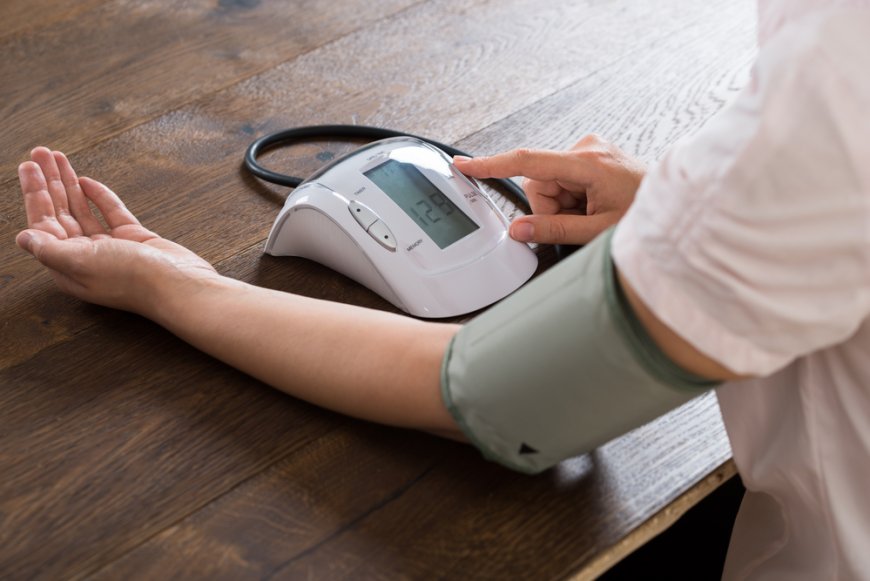
Keeping track of your health at home has become easier than ever. Home health monitoring devices can help people understand important health measurements without needing to visit a clinic every time they want a reading. From blood pressure monitors and thermometers to pulse oximeters and wearable trackers, these tools can make routine health monitoring more convenient. However, choosing the right device requires more than simply picking the most affordable option. Accuracy, usability, reliability, and the type of information a device provides all matter.
The right home monitoring device should fit naturally into your daily routine. Someone who occasionally checks their blood pressure may have different needs from someone who monitors it regularly as part of an ongoing healthcare plan. Before buying anything, consider which measurements you actually need, how frequently you will use the device, and whether you can comfortably understand its readings. A device with complicated controls or unclear results may become frustrating, even if it has plenty of advanced features.
For people interested in convenient blood pressure monitoring, Hilo is one example of a health technology brand focused on making at-home measurements easier to manage. Its approach centers on easy 24/7 blood pressure monitoring, giving users a practical way to take readings throughout the day. If you are comparing available offers before purchasing, checking verified Hilo discount codes can also be part of the buying process. The important thing is to evaluate the device itself first, rather than allowing a discount to determine which monitor is right for you.
Start With the Health Metric You Need to Track
The first step is identifying exactly what you want to monitor. Different devices are designed for different purposes, and buying a device simply because it has numerous features does not necessarily make it more useful.
Blood pressure monitors are designed to measure blood pressure, while thermometers measure body temperature. Pulse oximeters estimate blood oxygen saturation and pulse rate, and some wearable devices can track information such as heart rate, activity, sleep, or other wellness metrics.
Think about your actual monitoring needs. If blood pressure is your primary concern, a dedicated blood pressure monitor may be more appropriate than a general-purpose wearable. If you want broader wellness information, a wearable device may offer a wider range of measurements.
Accuracy Should Come Before Convenience
A home health device is only useful when its measurements are reasonably reliable. Before purchasing one, look for information about how the device was tested and whether the manufacturer provides evidence supporting its accuracy.
For blood pressure monitors in particular, proper measurement technique is important. The position of the cuff, your posture, movement, talking during the reading, and even the time of day can affect results.
A convenient device should therefore make correct measurement straightforward. Clear instructions, an appropriately sized cuff, and an easy-to-read display can all contribute to a better monitoring experience.
Look for Clinically Validated Technology
When comparing health monitoring devices, terms such as “clinically validated” can be useful, but consumers should still look beyond marketing language. Check what validation means for the particular device and whether relevant testing or supporting information is available.
For example, Hilo emphasizes clinically validated blood pressure monitoring as part of its product approach. Its focus on round-the-clock monitoring is particularly relevant for people who want to collect readings across different times rather than relying on a single measurement.
The goal of home monitoring isn't to replace professional medical care. Instead, regularly collected readings can provide useful information that may help you and your healthcare professional understand patterns over time.
Consider How Frequently You'll Use It
A device that works well for occasional use may not be the best choice for frequent monitoring. Think about how often you expect to take measurements and whether the device fits that routine.
For regular users, convenience becomes increasingly important. A monitor that takes too long to set up, requires complicated steps, or is uncomfortable to use may eventually be left in a drawer.
This is one reason simple interfaces and comfortable designs matter. When monitoring becomes part of a daily routine, small conveniences can make a significant difference.
Check Data Storage and Connectivity
Modern home health devices increasingly offer digital features. Depending on the product, measurements may be stored on the device, transferred to a smartphone, or presented through an accompanying application.
Data storage can be particularly useful when you need to review multiple readings instead of remembering individual numbers. Some connected devices can make it easier to identify changes or share information with a healthcare professional when appropriate.
However, connectivity isn't essential for everyone. If you prefer a straightforward device without apps or cloud-based features, a simpler monitor may better match your needs.
Don't Ignore Comfort and Fit
Comfort is easy to overlook when comparing specifications. Yet a device that feels uncomfortable can discourage consistent use.
Blood pressure monitors are a good example. The cuff needs to fit correctly and should not be unnecessarily uncomfortable. If several people in a household plan to use the same device, check whether the available cuff sizes are suitable for each user.
For wearable health technology, consider the weight, materials, battery life, and how easily the device fits into everyday activities.
Battery Life and Maintenance Matter Too
Before buying a home monitoring device, check how it is powered and how frequently it needs charging or battery replacement. A device that requires frequent charging may be inconvenient if you rely on it regularly.
Also consider cleaning and maintenance requirements. Devices that come into regular contact with skin should be kept clean according to the manufacturer's instructions. Following the recommended maintenance routine can help preserve usability and hygiene.
Compare the Full Cost, Not Just the Purchase Price
A low upfront price does not always mean lower long-term cost. Check whether the device requires replacement batteries, accessories, additional cuffs, subscriptions, or other ongoing expenses.
At the same time, the most expensive option isn't automatically the most suitable. Focus on the features you genuinely need and compare products based on accuracy, usability, support, and long-term value.
For shoppers considering Hilo, resources such as SavingSays UK can also help when researching available offers and savings opportunities. This can be useful when comparing the overall cost of a health monitoring purchase without making price the only deciding factor.
Understand What Home Monitoring Can and Cannot Do
Home monitoring devices are designed to provide useful measurements, but they should not be treated as a substitute for professional medical advice.
A single reading can sometimes be affected by temporary factors, while repeated readings may provide a clearer picture of changes over time. If a measurement seems unusual or you have concerns about your health, discussing it with an appropriate healthcare professional is important.
Likewise, don't change medication or treatment based solely on readings from a consumer device unless your healthcare professional has advised you to do so.
Check the Manufacturer's Support and Information
Good customer support can become important after purchase. Before choosing a device, check whether the manufacturer provides clear instructions, troubleshooting information, warranty details, and customer support.
A well-documented product is generally easier to use confidently. Look for information about setup, cleaning, measurement technique, storage, and troubleshooting.
For connected devices, it is also worth reviewing information about software updates, compatibility, and how health data is handled.
Make Home Monitoring Part of a Consistent Routine
The value of a monitoring device often comes from consistent use rather than occasional measurements. If your healthcare professional has recommended regular monitoring, establish a routine that works for your schedule.
Keep the device somewhere convenient, follow the manufacturer's instructions, and record readings when appropriate. Consistency can make the information easier to review and discuss with a healthcare professional.
For people looking for round-the-clock blood pressure tracking, Hilo's focus on convenient monitoring demonstrates how modern health technology is moving toward easier, more continuous measurement at home.
Final Thoughts
Choosing a home health monitoring device is less about finding the device with the longest list of features and more about finding one that fits your needs. Accuracy, comfort, simplicity, reliable information, and consistent usability should all be considered before making a purchase.
Whether you're interested in blood pressure monitoring or broader wellness tracking, take time to understand what a device measures and how its information should be interpreted. A thoughtful choice can make regular health monitoring more convenient while helping you keep better track of information that matters to your healthcare routine.
Frequently Asked Questions
What is a home health monitoring device?
A home health monitoring device is a consumer or medical-use tool that allows people to measure specific health-related information at home. Examples include blood pressure monitors, thermometers, pulse oximeters, and certain wearable devices.
Are home blood pressure monitors accurate?
Many home blood pressure monitors can provide useful readings when they are used correctly. Accuracy can depend on the device, proper fit, measurement technique, and user conditions. Follow the manufacturer's instructions and consult a healthcare professional when you have concerns.
How often should I monitor my blood pressure?
The appropriate frequency depends on your individual circumstances and any guidance from your healthcare professional. Some people may need occasional readings, while others may be advised to monitor more regularly.
Can health monitoring devices replace a doctor?
No. Home monitoring devices can provide useful information, but they do not replace professional diagnosis, medical advice, or treatment. Persistent or concerning readings should be discussed with a qualified healthcare professional.
What should I consider before buying a health monitoring device?
Consider accuracy, validation, ease of use, comfort, measurement needs, data storage, connectivity, battery life, maintenance, warranty, and overall cost. The best choice is one that suits your specific monitoring needs and can be used consistently.
What's Your Reaction?
 Like
0
 Dislike
0
 Love
0
 Funny
0
 Angry
0
 Sad
0
 Wow
0