Cleaning Equipment for Effective Hygiene and Maintenance
Discover how the right cleaning equipment supports efficient hygiene, workplace maintenance, and cleaner environments across homes, offices, healthcare facilities, and businesses.

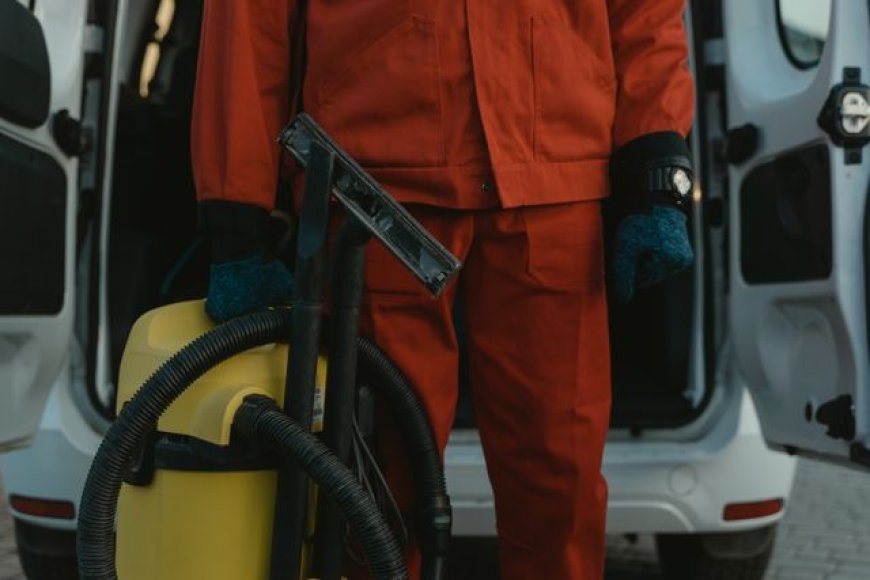
Maintaining a clean and hygienic environment is essential for homes, workplaces, healthcare facilities, commercial buildings, educational institutions, and industrial spaces. The right cleaning equipment can make routine cleaning tasks more efficient, organised, and manageable while supporting consistent hygiene practices.
From everyday surface cleaning to specialised maintenance tasks, having suitable cleaning products and equipment available can help businesses and individuals maintain their spaces effectively. Choosing products according to the environment, cleaning requirements, and intended application is an important part of creating a practical cleaning routine.
Why Is Cleaning Equipment Important?
Cleaning is more than simply making a space look tidy. Regular cleaning helps remove dirt, dust, residue, and other unwanted materials from frequently used surfaces. In professional environments, consistent cleaning practices can also support workplace hygiene and contribute to a more comfortable environment for employees, visitors, customers, and patients.
The right cleaning equipment can help simplify repetitive tasks and improve the organisation of cleaning activities. Different environments have different requirements, so selecting appropriate products is essential. A healthcare facility may require different cleaning supplies compared with an office, school, warehouse, restaurant, or commercial property.
Reliable equipment and cleaning supplies can also help cleaning teams establish consistent procedures. When frequently used products are readily available, staff can complete routine cleaning tasks without unnecessary interruptions.
Different Types of Cleaning Equipment
Cleaning equipment covers a broad range of products designed for different applications. Understanding the purpose of each type can help users select appropriate supplies for their environment.
Surface Cleaning Equipment
Surface cleaning is one of the most common cleaning requirements in workplaces and shared environments. Suitable cloths, wipes, sponges, brushes, and other cleaning accessories can help remove dust, dirt, marks, and residue from appropriate surfaces.
The type of cleaning product used should always be compatible with the surface being cleaned. Following manufacturer recommendations can help prevent inappropriate use and protect surfaces from unnecessary damage.
Floor Cleaning Equipment
Floors experience frequent foot traffic and can accumulate dirt and debris throughout the day. Depending on the size and type of facility, cleaning requirements may include mops, buckets, brushes, floor cleaning tools, and other suitable equipment.
A regular floor-cleaning schedule can help maintain a cleaner and more presentable environment. Commercial and industrial facilities may require specialised equipment depending on floor type, area size, and cleaning frequency.
Cleaning Wipes
Cleaning wipes are convenient for quick cleaning tasks and can be useful in offices, healthcare environments, workplaces, and other locations. They can provide a practical option when users need to clean suitable surfaces without setting up larger cleaning equipment.
Different wipes are designed for different purposes, so users should review product information and instructions before use.
Brushes and Scrubbing Tools
Brushes and scrubbing tools can assist with cleaning areas where additional mechanical action is required. Different brush types may be designed for different surfaces and cleaning tasks.
Selecting a suitable brush depends on factors such as surface material, the type of residue being removed, and the required level of cleaning.
Choosing the Right Cleaning Equipment
Selecting cleaning equipment should begin with understanding the specific needs of the environment. A one-size-fits-all approach may not be suitable because cleaning requirements vary considerably between locations.
Consider the following factors when choosing cleaning supplies:
1. Intended Application:
Identify what needs to be cleaned and how frequently the task is performed. This helps determine which products are appropriate.
2. Surface Compatibility:
Different materials can require different cleaning methods. Always confirm that a product is suitable for the intended surface.
3. Frequency of Use:
High-traffic environments may require cleaning products that can support frequent routine use.
4. Ease of Handling:
Equipment should be practical for the people responsible for cleaning tasks. Convenient handling can help support efficient workflows.
5. Storage Requirements:
Consider how products will be stored when they are not in use. Proper storage can help maintain products in suitable condition.
6. Manufacturer Instructions:
Always review product instructions, safety information, and recommended applications before use.
Cleaning Equipment for Healthcare Environments
Healthcare facilities have specific cleaning and hygiene requirements because many areas are shared by patients, healthcare professionals, and visitors. Cleaning routines may include examination rooms, waiting areas, workstations, equipment surfaces, floors, and other appropriate areas.
Healthcare organisations should establish cleaning procedures based on their specific operational requirements and applicable guidelines. Suitable cleaning products and equipment can help staff follow established routines more efficiently.
It is important to distinguish between general cleaning products and products specifically designed for particular healthcare applications. Product instructions and facility procedures should always be followed.
Cleaning Equipment for Offices and Workplaces
Offices and workplaces can benefit from maintaining a consistent cleaning schedule. Common areas such as desks, meeting rooms, kitchens, bathrooms, reception areas, and shared equipment may require regular cleaning.
Having essential cleaning supplies readily available can help staff or cleaning teams respond to everyday cleaning requirements. Frequently used products should be monitored so that supplies can be replenished before they run out.
A clean and organised workplace can also contribute to a more comfortable environment for employees and visitors. While cleaning products alone cannot guarantee workplace hygiene, they are an important part of a broader cleaning routine.
The Role of Cleaning Equipment in Commercial Facilities
Commercial facilities can include retail stores, warehouses, hospitality venues, educational institutions, and other large or frequently occupied spaces. These environments often have higher cleaning demands because of regular foot traffic and frequent surface use.
Cleaning teams may need different products for floors, surfaces, bathrooms, high-touch areas, and other locations. Establishing a clear cleaning schedule and maintaining appropriate supplies can help support consistent maintenance.
For larger facilities, inventory management is particularly important. Running out of essential supplies can interrupt scheduled cleaning activities, so businesses may benefit from tracking usage and maintaining appropriate stock levels.
How to Maintain Cleaning Supplies
Proper storage and handling are important parts of managing cleaning equipment. Products should be stored according to manufacturer instructions and kept in appropriate conditions.
Cleaning equipment should also be inspected regularly. Reusable items may need to be cleaned, maintained, or replaced depending on their condition and intended use. Damaged or unsuitable equipment should not be used when it could compromise the cleaning process or create a safety concern.
Organising supplies by category can also make them easier to locate. A clearly arranged storage area can help cleaning staff find commonly used products quickly and keep inventory easier to monitor.
Building an Effective Cleaning Routine
An effective cleaning routine should be practical, consistent, and suited to the environment. Start by identifying frequently used areas and surfaces that require regular attention. Then determine which products and equipment are appropriate for each task.
A basic cleaning plan may include:
- Identifying areas that require daily cleaning
- Scheduling less frequent maintenance tasks
- Keeping essential cleaning equipment readily available
- Checking inventory regularly
- Following product instructions
- Training staff in appropriate cleaning procedures
- Storing cleaning supplies correctly
- Reviewing cleaning routines when workplace requirements change
The goal is not simply to use more cleaning products but to use suitable products correctly and consistently.
Why Choose a Reliable Supplier?
Sourcing cleaning products from an established supplier can make purchasing more convenient, particularly for organisations that require multiple categories of products. A broad product range can allow businesses to source different cleaning and hygiene essentials from one location.
Livingstone International provides access to a range of healthcare, laboratory, cleaning, hygiene, and professional supplies for various applications. Organisations can explore product information and specifications to identify options that may suit their particular requirements.
Before purchasing, users should always review product details, intended applications, specifications, and relevant instructions to ensure suitability.
Conclusion
The right cleaning equipment can play an important role in maintaining clean, organised, and well-managed environments. From surface cleaning and floor maintenance to wipes, brushes, and other cleaning accessories, different products serve different purposes.
Choosing appropriate equipment requires consideration of the environment, cleaning requirements, surface compatibility, frequency of use, storage needs, and manufacturer instructions. A well-planned cleaning routine combined with suitable supplies can help cleaning teams and organisations manage everyday maintenance more effectively.
Whether you are responsible for an office, healthcare facility, commercial property, school, warehouse, or another professional environment, maintaining access to appropriate cleaning supplies can support consistent cleaning practices. Regular inventory checks, proper storage, and suitable handling can further improve the organisation of cleaning activities.
For businesses and professionals looking for cleaning and hygiene supplies, exploring a comprehensive range of products can make sourcing easier. Visit Livingstone International to explore products designed for a variety of professional cleaning, hygiene, healthcare, and workplace requirements.
What's Your Reaction?
 Like
0
 Dislike
0
 Love
0
 Funny
0
 Angry
0
 Sad
0
 Wow
0