












Climate Risk and Insurance: What American Consumers Should Expect Next
For many Americans, insurance used to feel like something you dealt with once a year.
You renewed your policy, paid the premium, kept the paperwork somewhere safe, and moved on.
That relationship is changing.
Across the United States, severe storms, hurricanes, wildfires, flooding, hail, tornadoes, and other weather-related events are becoming a bigger part of the conversation around insurance. And consumers are starting to notice the effects in very practical ways: higher premiums, changing deductibles, new coverage restrictions, more questions during underwriting, and in some areas, fewer choices.
Climate risk is no longer simply an environmental discussion.
It is becoming a household financial issue.
That does not mean every American will suddenly face dramatic insurance changes. Risk varies enormously from one state, county, neighborhood, and property to another. But consumers should expect insurance to become increasingly connected to where they live, what they own, how they protect their property, and how insurers evaluate the likelihood and potential cost of future claims.
So what happens next?
The answer is not one simple trend. Insurance is adapting in several directions at once.
Why Climate Risk Matters to Insurance
Insurance works by spreading financial risk across many policyholders.
People pay premiums into a pool, and that pool helps cover eligible losses when accidents or disasters occur. The model depends on being able to estimate risk and price coverage accordingly.
Weather-related losses can complicate that equation.
Imagine a region where severe storms historically happened only occasionally. Insurers could use decades of claims data to estimate the likelihood of future losses.
Now imagine that the frequency, severity, or geographic reach of certain events changes.
The historical data may become less useful as a predictor of future losses.
That creates a challenge for insurers.
They need to understand not only what happened in the past, but what risks properties and vehicles may face going forward.
For consumers, this can translate into changes in pricing and underwriting.
Home Insurance May Become More Location-Specific
One of the clearest areas where climate-related risk can affect consumers is homeowners insurance.
A home in an area with frequent hurricanes faces different risks from a home in a region where hail and tornadoes are the bigger concern. A property near a wildfire-prone area may face different underwriting considerations from a property in a low-risk urban neighborhood.
Even within the same city, risk can vary.
Two homes a few miles apart may have different exposure because of elevation, surrounding vegetation, drainage, construction, roof condition, proximity to water, or other characteristics.
This means consumers may see increasingly individualized insurance pricing.
The old assumption that "homes in this city cost roughly the same to insure" is becoming less reliable.
Extreme Weather Does Not Just Affect Coastal States
It is easy to associate climate-related insurance concerns with Florida, California, Louisiana, or other areas frequently discussed in connection with hurricanes, flooding, or wildfires.
But weather risk is not limited to the coasts.
Hailstorms can cause major property damage across parts of the Midwest and Plains. Tornadoes affect communities across a broad portion of the country. Severe thunderstorms can produce damaging winds and large hail. Flooding can occur far from the ocean.
That matters because consumers who believe their location is automatically "safe" may not have reviewed their policies carefully enough.
The question should not be:
"Do major disasters happen here?"
A better question is:
"Which weather-related losses are realistic for my property, and which of them does my policy actually cover?"
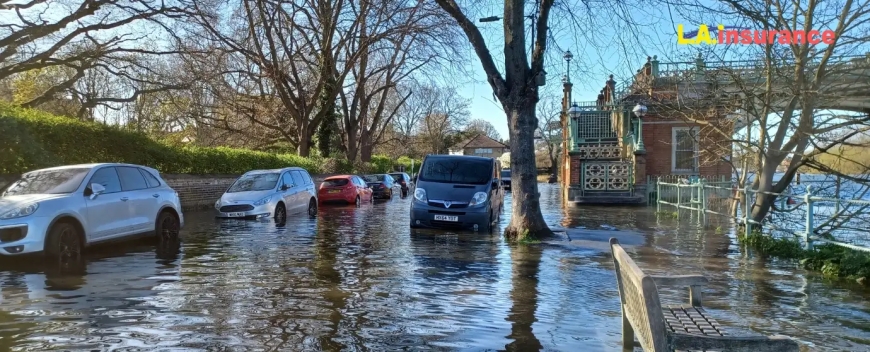
Flood Coverage Deserves Special Attention
One of the most misunderstood areas of property insurance is flooding.
Many standard homeowners policies do not provide the same coverage for flood damage as they do for certain other types of water-related losses.
That distinction can become extremely important after a major storm.
A homeowner might assume that because water entered the house, the homeowners policy will take care of the damage.
That assumption can be costly.
Flood insurance is a separate consideration, and eligibility, availability, exclusions, limits, deductibles, and definitions matter.
Consumers should review their actual policy rather than relying on a general understanding of what homeowners insurance "usually" covers.
Your Roof Could Become More Important
The roof is one of the most exposed parts of a home.
It takes the full force of hail, wind, heavy rain, falling branches, ice, and other weather conditions.
As repair costs rise and severe weather produces more claims, insurers may pay closer attention to roof age, materials, condition, maintenance, and replacement cost.
For homeowners, this means a roof should not be treated as a background detail.
Keep records of repairs and replacement work.
Save invoices.
Take photographs.
Know approximately when the roof was installed.
If you make improvements, keep documentation.
These records can be useful when discussing coverage and can help establish the condition and value of the property.
Premiums May Not Be the Only Thing That Changes
When people hear about climate risk and insurance, they usually think about premiums.
Premiums are important, but they are only one part of the equation.
Consumers may also encounter changes involving:
-
Deductibles
-
Coverage limits
-
Eligibility requirements
-
Property inspections
-
Roof-related provisions
-
Wind or hail deductibles
-
Exclusions
-
Claims procedures
-
Required maintenance
-
Available insurers
-
Renewal conditions
A policy can become more expensive without becoming dramatically different in every other respect.
Likewise, a premium might remain relatively stable while another part of the coverage changes.
That is why comparing only the annual price can produce an incomplete picture.
Deductibles Can Become More Important
A deductible determines how much of a covered loss the policyholder pays before insurance responds, subject to the policy terms.
Some weather-related policies can have specific deductibles for certain perils.
For a homeowner, that can create a very different financial experience after a major storm.
Suppose a person chooses a policy because the premium looks affordable but has a large deductible. A significant storm then causes damage.
The homeowner may suddenly need to find substantial money out of pocket before insurance covers eligible expenses above the deductible.
Consumers should know their deductibles before disaster strikes.
Not after.
Insurance Availability Could Become a Bigger Consumer Concern
In some higher-risk areas, consumers may find that obtaining coverage is more complicated than it once was.
An insurer may change its underwriting approach, limit new policies in certain areas, stop offering certain types of coverage, or adjust how it evaluates individual properties.
This does not mean insurance is disappearing.
It means insurers are continually balancing risk, claims, regulation, reinsurance costs, and financial stability.
Consumers may therefore benefit from shopping earlier rather than waiting until the last possible moment before renewal.
If circumstances change, having time to compare alternatives can be valuable.
What Is Reinsurance, and Why Should Consumers Care?
The average policyholder rarely thinks about reinsurance.
But it plays an important role in the insurance system.
In simple terms, reinsurance allows insurers to transfer some of their own risk to other insurance companies. This can help insurers manage the financial impact of extremely large losses.
When catastrophic events produce enormous claims, the broader insurance market can feel the pressure.
That pressure can eventually influence the price and availability of coverage for consumers.
So even if your home has never experienced a major loss, changes in the wider risk environment can still affect your insurance experience.
Cars Are Part of the Climate Risk Conversation Too
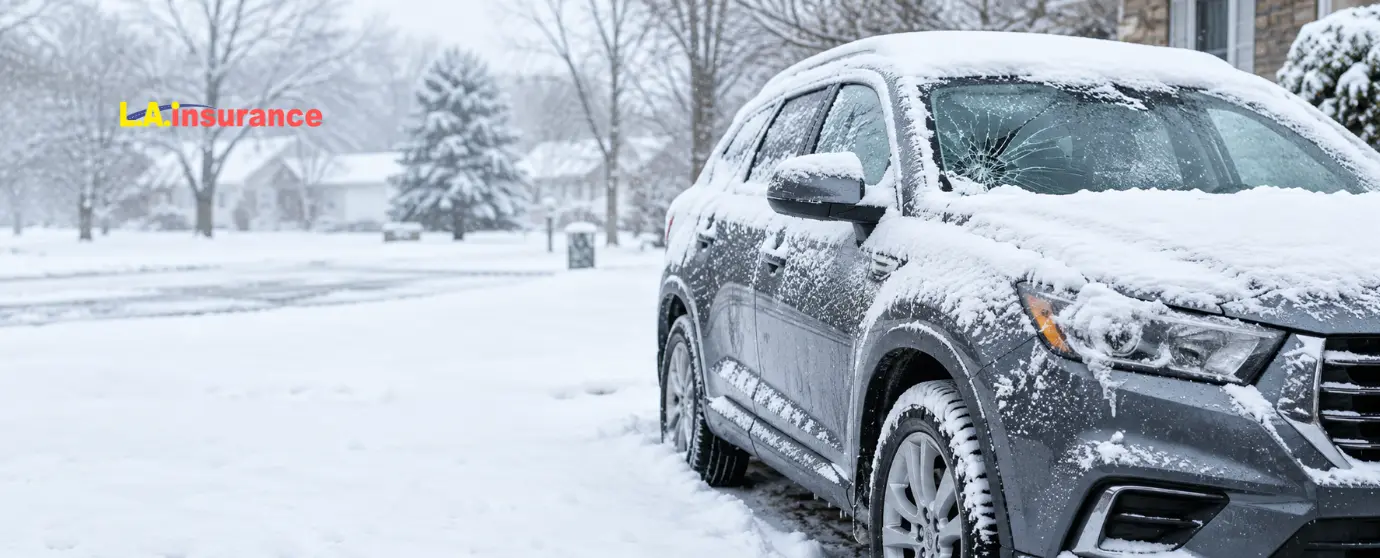
Climate-related insurance issues are not limited to homeowners.
Auto insurance is also affected by weather.
Hail can damage vehicles.
Floodwater can destroy engines and electrical systems.
Falling trees can crush cars.
Wildfires can damage or destroy vehicles.
Severe storms can create thousands of claims in a short period.
When large numbers of vehicles are damaged at once, repair facilities, parts suppliers, towing companies, and insurers can all face increased demand.
That can influence claims timelines and repair costs.
For drivers, comprehensive coverage can be particularly important for certain weather-related losses, depending on the policy.
Collision coverage addresses a different set of risks.
Understanding the distinction before an event occurs is much easier than trying to figure it out after your vehicle has been damaged.
Why Vehicle Repair Costs Matter
Modern vehicles are increasingly complicated.
A newer car may contain cameras, sensors, radar systems, electronic modules, specialized glass, and other technology integrated into the vehicle.
A storm-related incident that once required a simple repair may now involve calibration or replacement of sophisticated components.
That can increase the cost of claims.
Parts availability can also influence repair times.
If a severe weather event damages thousands of vehicles in one region, repair shops may become overwhelmed and certain parts may become harder to obtain.
Consumers may therefore want to understand what their auto policy provides for rental vehicles, towing, roadside assistance, and other services that can become useful during a lengthy repair.
Preparedness Can Affect More Than Peace of Mind
Insurance is designed to transfer financial risk.
It is not designed to prevent a storm, wildfire, flood, or hailstorm from happening.
That is where preparation comes in.
Homeowners can take practical steps to reduce potential damage.
Depending on the property and local risks, this might include:
-
Maintaining the roof and gutters
-
Trimming vulnerable trees
-
Improving drainage
-
Securing outdoor items before severe weather
-
Installing appropriate storm protection
-
Maintaining smoke and carbon monoxide detectors
-
Protecting important electrical equipment
-
Reviewing emergency supplies
-
Keeping important documents accessible
Some improvements may also have insurance implications, although consumers should never assume that a particular upgrade automatically produces a discount.
Ask first.
Resilience Could Become Part of the Insurance Conversation
There is a growing emphasis on reducing the severity of losses rather than simply paying for them afterward.
That idea makes sense from both sides.
If a homeowner takes reasonable steps to make a property more resistant to foreseeable hazards, the property may be less likely to suffer severe damage.
Insurers have an interest in understanding those risk-reduction measures.
Consumers should therefore be prepared to discuss improvements they have made to their homes or vehicles.
But again, documentation matters.
A professionally installed upgrade with receipts and records is much easier to explain than a vague statement that "we made the house safer."
Don't Assume Your Current Coverage Still Fits
This may be the most important takeaway.
Insurance should change when your circumstances change.
If you have renovated your home, replaced the roof, purchased expensive belongings, built an addition, installed a pool, bought another vehicle, or made other significant changes, your insurance review should reflect those changes.
The same principle applies to changing weather risks.
A policy that seemed appropriate several years ago may deserve another look today.
That does not automatically mean you need more coverage.
It means you should understand what you currently have.
Review the Difference Between Replacement Cost and Actual Cash Value
Another detail homeowners should understand is how damaged property is valued.
Replacement cost generally focuses on what it may cost to replace covered property with similar property, subject to policy conditions.
Actual cash value typically accounts for depreciation.
The difference can be significant after a major loss.
Imagine a roof that is many years old.
If it is damaged in a covered event, the way the policy calculates the payment can materially affect the amount the homeowner receives.
The same issue can apply to personal belongings.
Consumers should read their policy or ask an insurance professional to explain the valuation method rather than assuming every loss will be reimbursed at today's full replacement price.
Climate Risk Does Not Mean Everyone Will Pay the Same
There is no universal "climate insurance rate."
Insurance pricing remains highly dependent on individual circumstances, state regulations, insurer practices, property characteristics, vehicle details, driving history, coverage selections, and many other factors.
Two households in the same city can have very different insurance costs.
One may have an older roof.
Another may have recently upgraded its home.
One driver may have several claims.
Another may have a clean driving record.
One property may sit in a higher-risk location.
Another may have different characteristics.
This is why broad statements about insurance becoming "more expensive everywhere" can be misleading.
The real picture is much more local and personal.
What Should Consumers Expect Next?
Looking ahead, consumers should expect insurance underwriting to become increasingly focused on property and risk characteristics.
That could mean more questions.
More detailed property information.
Greater attention to maintenance.
More sophisticated risk modeling.
Closer examination of claims patterns.
Potential changes in deductibles and coverage structures.
It may also mean that consumers need to become more active participants in their insurance decisions.
Instead of treating insurance as a once-a-year transaction, think of it as something worth reviewing when your property, vehicle, finances, or local risk changes.
Shopping Around May Become More Important
If your premium increases significantly, do not immediately assume that every insurer will offer the same price.
Insurance markets differ.
An insurer that is competitive for one driver or homeowner may not be the best fit for another.
When comparing options, look at more than the premium.
Compare:
-
Coverage limits
-
Deductibles
-
Exclusions
-
Valuation methods
-
Optional coverage
-
Claims support
-
Eligibility requirements
-
Discounts
-
Policy conditions
A cheaper policy is not necessarily a better policy.
Likewise, a more expensive policy is not automatically better.
The goal is appropriate protection at a price that makes sense for your circumstances.
Ask Better Questions During Your Next Insurance Review
You do not need to become an insurance expert to have a productive policy review.
Start with a few straightforward questions:
What weather-related risks are most relevant where I live?
Does my current policy cover those risks?
What are my deductibles for those losses?
Are there exclusions I should understand?
Has anything about my home or vehicle changed that I should report?
Would another coverage option make sense for my situation?
Are there practical improvements I can make to reduce my exposure?
These questions can reveal gaps that may otherwise remain hidden.
The Role of an Insurance Professional
Insurance can become complicated quickly when weather risk, property value, vehicle coverage, deductibles, and state-specific rules enter the discussion.
That is where an experienced insurance professional can be useful.
A good conversation should not simply be about selling another policy.
It should be about understanding the risks you face and matching those risks with appropriate coverage.
If you live in a community where severe weather is becoming a more frequent concern, having someone review your policy with you can help you understand what is actually covered and where additional protection may be worth considering.
A More Prepared Consumer Is a Better Protected Consumer
Nobody can predict exactly when the next major storm, wildfire, hailstorm, tornado, or flood will affect a particular community.
But consumers can prepare for the financial consequences.
Know your coverage.
Know your deductibles.
Keep records.
Update your insurer when important circumstances change.
Understand which risks your policy covers and which require separate protection.
And do not wait until a disaster is approaching to discover that an assumption you made about your insurance was wrong.
Climate risk is changing the insurance conversation in America, but consumers are not powerless.
The people who pay the closest attention to their policies, maintain their property, document their belongings, understand their exposure, and periodically compare their options are better positioned to make informed decisions.
Final Thoughts
The future of insurance is unlikely to look exactly like the past.
Weather patterns, property values, construction costs, vehicle technology, repair expenses, and catastrophe losses are all part of a constantly changing risk environment.
For American consumers, that means insurance may require a little more attention than it once did.
That is not necessarily a bad thing.
In fact, it can be an opportunity to become more intentional about protection.
Instead of asking only, "How much will my insurance cost this year?" ask a more useful question:
"If something serious happens tomorrow, will my coverage respond the way I expect?"
That question gets to the heart of insurance.
The goal is not to predict every disaster.
It is to be financially prepared for the risks you cannot control.
What's Your Reaction?
 Like
0
 Dislike
0
 Love
0
 Funny
0
 Angry
0
 Sad
0
 Wow
0