



















Cloud & DevSecOps: Building Secure, Scalable, and Reliable Digital Infrastructure

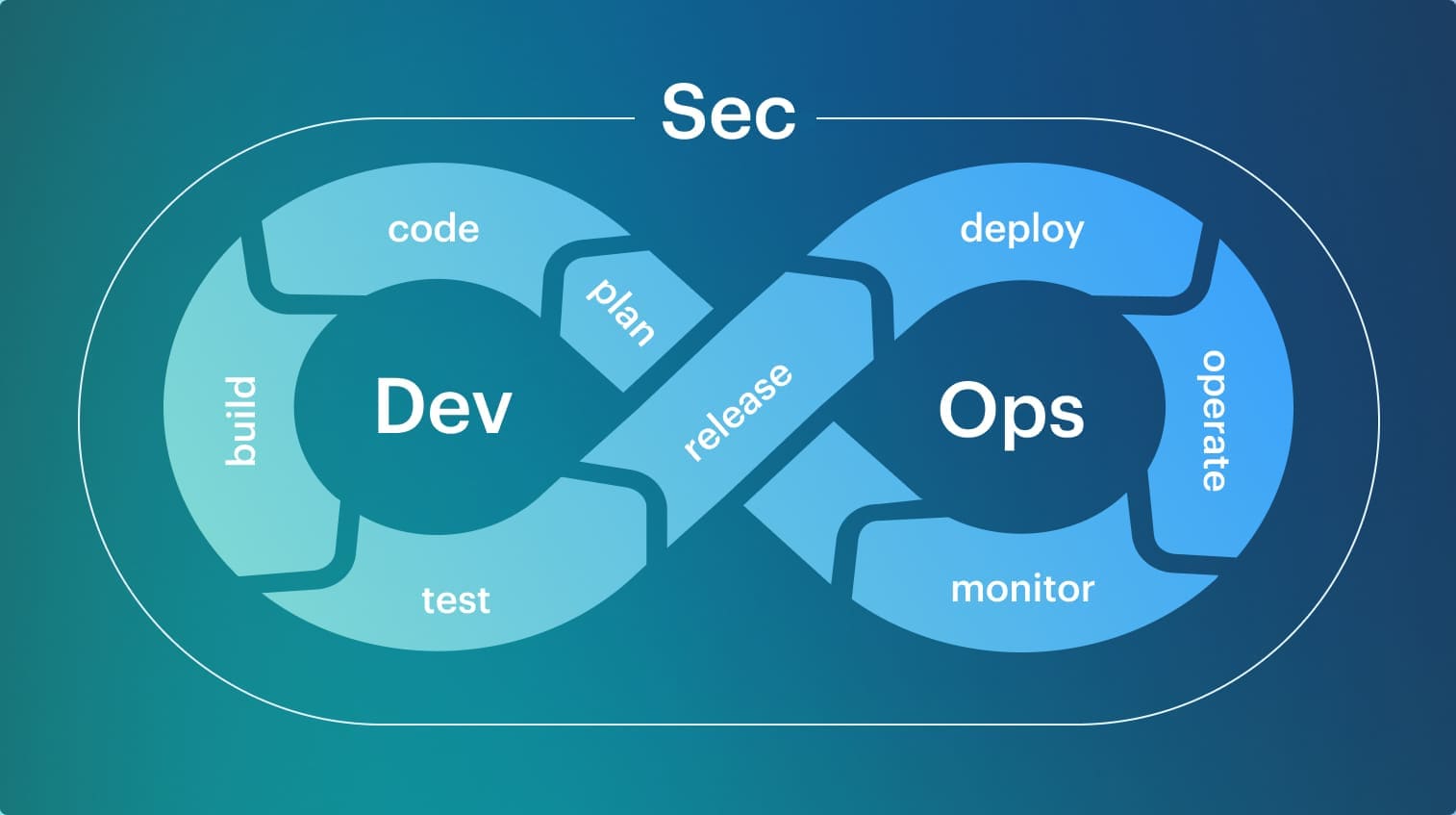
In today’s rapidly evolving digital landscape, businesses need more than just cloud infrastructure. They need secure, scalable, and reliable systems that support innovation while protecting critical data. This is where Cloud & DevSecOps practices make a significant difference, helping organizations streamline software development, strengthen security, and improve operational efficiency.
By integrating cloud computing, automation, and security throughout the software development lifecycle, businesses can deliver applications faster without compromising reliability or compliance.
What Is Cloud & DevSecOps?
Cloud computing enables businesses to access computing resources, storage, databases, and applications over the internet. It provides flexibility, scalability, and cost efficiency while reducing dependence on traditional on-premises infrastructure.
DevSecOps, on the other hand, integrates security into development and operations processes. Instead of treating security as a final checkpoint, it makes security a continuous responsibility throughout application development, testing, deployment, and maintenance.
Together, Cloud & DevSecOps help organizations build a modern technology environment where development speed, operational stability, and security work hand in hand.
Why Businesses Need Cloud & DevSecOps
As businesses adopt digital transformation, managing complex applications and protecting sensitive information become increasingly challenging. Traditional development approaches can create delays, operational bottlenecks, and security vulnerabilities.
Cloud & DevSecOps address these challenges through automation, continuous integration, continuous delivery, and proactive security practices.
Key benefits include:
-
Faster software delivery: Automated development and deployment pipelines help teams release updates more frequently.
-
Enhanced security: Continuous security testing helps identify vulnerabilities earlier in the development lifecycle.
-
Improved scalability: Cloud infrastructure can adapt to changing workloads and business demands.
-
Operational efficiency: Automation reduces repetitive manual tasks and minimizes human error.
-
Greater reliability: Continuous monitoring and automated recovery practices help maintain application availability.
-
Cost optimization: Resource management and cloud usage monitoring help businesses control infrastructure expenses.
These advantages allow organizations to respond to market changes more quickly while maintaining a dependable technology foundation.
Core Components of an Effective Cloud & DevSecOps Strategy
1. Multi-Cloud Infrastructure
Businesses can use cloud platforms such as AWS, Microsoft Azure, and Google Cloud Platform to build flexible infrastructure that meets their operational requirements. A well-planned multi-cloud strategy helps organizations improve availability, manage workloads efficiently, and reduce dependency on a single provider.
Choosing the right cloud architecture requires careful consideration of performance, security, cost, and long-term business objectives.
2. CI/CD and Infrastructure as Code
Continuous Integration and Continuous Delivery (CI/CD) automate the process of building, testing, and deploying software. These automated pipelines reduce manual intervention and help development teams deliver updates consistently.
Infrastructure as Code (IaC) takes automation further by allowing infrastructure to be configured and managed through version-controlled code. Tools such as Terraform and Ansible help teams create repeatable environments and simplify infrastructure management.
3. Containerization and Orchestration
Container technologies such as Docker package applications and their dependencies into portable units. Kubernetes helps manage these containers across environments, supporting application scaling, workload distribution, and recovery.
These technologies are particularly valuable for organizations running microservices, SaaS applications, and enterprise platforms that require consistent performance as demand increases.
4. Integrated Security and Observability
Security should be built into every stage of application development. DevSecOps practices include automated vulnerability scanning, dependency checks, access controls, secrets management, and compliance monitoring.
Observability complements these practices through logs, metrics, traces, and alerts that help teams understand application behavior. By identifying unusual activity and performance issues early, organizations can respond to problems before they significantly affect users.
5. Legacy Application Modernization
Many organizations rely on legacy applications that are expensive to maintain or difficult to scale. Cloud migration and modernization help businesses improve flexibility while preserving essential business functionality.
Depending on the application, modernization may involve migrating existing workloads, upgrading architecture, adopting managed cloud services, or redesigning components for cloud-native environments. A phased approach can reduce disruption and make the transition easier to manage.
How Cloud & DevSecOps Support Different Industries
Cloud and DevSecOps practices offer value across industries with different security, availability, and scalability requirements.
-
Healthcare: Secure patient information, support digital health applications, and improve the reliability of healthcare platforms.
-
Financial services: Strengthen security controls, automate deployment checks, and support audit readiness for financial applications.
-
SaaS businesses: Accelerate product releases, improve scalability, and simplify application maintenance.
-
Logistics and supply chain: Support real-time data processing, connected platforms, and workloads that fluctuate with demand.
-
Enterprise IT: Modernize infrastructure, automate operations, and integrate cloud services with existing business systems.
The specific implementation should reflect each organization's regulatory obligations, data sensitivity, operational needs, and risk profile.
Best Practices for Successful Cloud & DevSecOps Implementation
Organizations can achieve better results by adopting a structured and continuous improvement approach.
Start with a clear cloud strategy. Define business goals, assess existing infrastructure, and identify the workloads that would benefit most from cloud adoption.
Automate security testing. Integrate security checks into CI/CD pipelines to identify vulnerabilities before applications reach production.
Apply least-privilege access. Give users, applications, and services only the permissions they need to perform their tasks.
Monitor performance and spending. Use cloud monitoring and cost-management practices to identify inefficient resource usage and maintain predictable operations.
Build collaboration across teams. Encourage development, security, and operations teams to share responsibility for application quality, reliability, and protection.
Review and improve continuously. Regularly evaluate deployment performance, security findings, infrastructure configurations, and recovery procedures to keep systems resilient as business requirements change.
How smartData Helps Businesses Modernize with Cloud & DevSecOps
Organizations need a technology partner that understands the relationship between cloud architecture, application delivery, security, and business outcomes.
smartData's Cloud & DevSecOps services help businesses modernize infrastructure and deploy applications with greater confidence. Its capabilities include multi-cloud deployments across AWS, Azure, and Google Cloud, CI/CD automation, Infrastructure as Code, containerization, security integration, observability, and legacy-to-cloud migration.
By combining these capabilities, smartData helps organizations establish technology foundations designed for faster releases, improved operational visibility, scalable performance, and stronger security practices.
Whether a business is launching a new digital product, modernizing enterprise applications, or improving an existing cloud environment, a tailored Cloud & DevSecOps strategy can support sustainable digital growth.
Conclusion
Cloud & DevSecOps have become essential components of modern software delivery. By combining scalable cloud infrastructure, automated workflows, continuous security, and proactive monitoring, businesses can improve development efficiency while reducing operational risks.
What's Your Reaction?
 Like
0
 Dislike
0
 Love
0
 Funny
0
 Angry
0
 Sad
0
 Wow
0




