Is Cold Peel Treatment safe?
Cold Peel Treatment may be safe when performed by a qualified professional using an appropriate formula, but it can cause temporary redness, dryness, irritation, peeling, or pigmentation changes if unsuitable products or techniques are used.
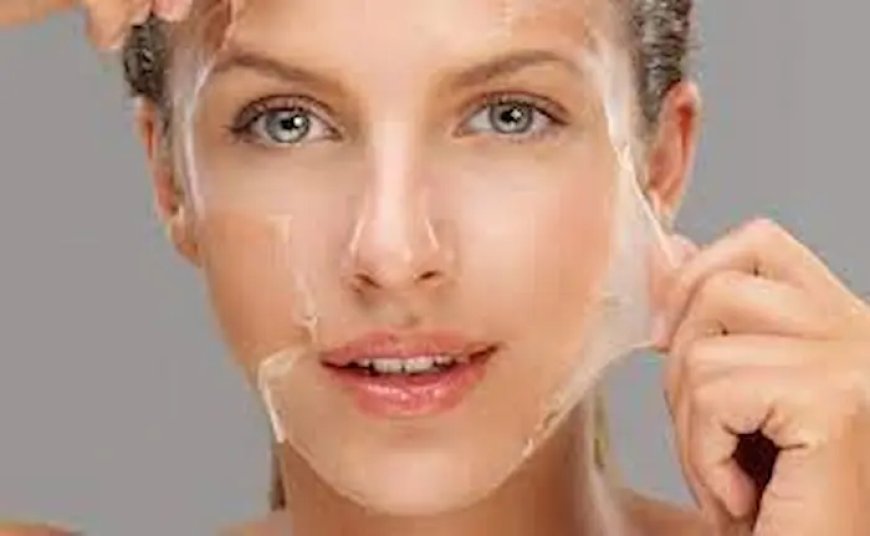
Cold Peel Treatment may be safe for many people when it is performed by a qualified skincare professional using an appropriate peeling formula. The treatment uses a controlled chemical solution to remove dead surface cells, improve skin renewal, and address concerns such as dullness, uneven tone, mild pigmentation, acne marks, and rough texture. People considering التقشير البارد في دبي should receive a professional skin assessment before treatment. Although Cold Peel Treatment does not rely on intense heat and is generally non-invasive, it is not completely risk-free.
How Does Cold Peel Treatment Work?
Cold Peel Treatment involves applying a specially formulated solution to the surface of the skin. The ingredients help loosen dead skin cells and encourage the renewal of healthier-looking skin.
The formula, strength, and application time depend on the person’s skin type, sensitivity, pigmentation concerns, and treatment goals. A mild peel may be suitable for some people, while others may require a different procedure.
Professional application is important because an unsuitable product or excessive exposure may cause irritation, burns, or changes in skin colour. The treatment should never be selected only because it is advertised as gentle or suitable for everyone.
What Are The Common Side Effects?
Some temporary reactions may occur after Cold Peel Treatment. These effects depend on the peeling formula and the condition of the skin.
Common side effects may include:
- Mild redness
- Dryness
- Tightness
- Slight stinging
- Temporary sensitivity
- Flaking or peeling
- Mild swelling
- Temporary irritation
These effects may settle as the skin recovers. Patients should follow the aftercare instructions provided by the skincare professional and avoid using harsh products during the recovery period.
If discomfort becomes severe, lasts longer than expected, or is accompanied by significant swelling or skin damage, medical advice should be obtained.
Can Cold Peel Treatment Cause Pigmentation?
Chemical peels can sometimes cause changes in skin pigmentation. The risk may be higher when the peeling solution is too strong, the skin becomes excessively irritated, or the patient has a history of post-inflammatory pigmentation.
People with darker skin tones may require particular care because irritation can sometimes lead to darker patches or uneven skin colour. A professional should assess the skin before treatment and select a suitable formula.
Sun exposure after treatment may also increase pigmentation risk. Daily broad-spectrum sunscreen and appropriate sun protection are important for supporting recovery and reducing further discolouration.
Is Cold Peel Treatment Safe For Sensitive Skin?
Cold Peel Treatment may be suitable for some people with sensitive skin, but the procedure should be carefully adjusted. A mild formula and controlled application may reduce the likelihood of irritation.
Patients should inform the provider if they have:
- Easily irritated skin
- Rosacea or eczema
- Active acne
- Previous reactions to chemical peels
- Skin allergies
- Recent cosmetic procedures
- A history of pigmentation changes
Sensitive skin does not automatically prevent treatment, but it may require a slower or more cautious approach. In some cases, the professional may recommend postponing the peel or choosing a different skincare procedure.
Who Should Avoid Cold Peel Treatment?
Cold Peel Treatment may not be appropriate for everyone. Treatment may need to be delayed or avoided by people with active skin infections, open wounds, severe irritation, or certain untreated skin conditions.
Additional caution may be needed for people with a history of abnormal scarring, recent strong exfoliation, recent laser treatment, or recent use of medicines that affect skin healing. Patients should disclose all current skincare products and medicines during the consultation.
People who are pregnant or breastfeeding should discuss treatment with an appropriate healthcare professional, especially when the peeling solution contains active ingredients whose safety has not been established for their situation.
Why Is Professional Assessment Important?
A consultation helps determine whether Cold Peel Treatment is appropriate and which formula may be suitable. The professional may review the patient’s skin type, pigmentation history, allergies, current skincare routine, previous procedures, and treatment goals.
The provider should explain:
- The purpose of the treatment
- The ingredients being used
- Expected results
- Possible side effects
- Recovery time
- Aftercare instructions
- Alternative treatment options
A professional assessment also helps identify concerns that may require medical treatment rather than cosmetic exfoliation. Persistent pigmentation, unusual skin changes, active inflammation, or unexplained marks should be evaluated carefully.
How Can Patients Improve Treatment Safety?
Patients can reduce avoidable risks by following the preparation and aftercare instructions provided by their skincare professional.
Before treatment, patients should disclose allergies, skin conditions, medications, recent procedures, and any previous reactions to peels. They should avoid applying strong exfoliants or irritating products unless the provider specifically recommends them.
After treatment, patients should:
- Use a gentle cleanser
- Apply a suitable moisturiser
- Avoid picking or pulling peeling skin
- Avoid harsh scrubs
- Avoid excessive heat and direct sunlight
- Apply broad-spectrum sunscreen
- Follow the recommended skincare routine
- Contact the provider if unusual symptoms occur
Patients should not perform strong chemical peels at home without appropriate guidance. Incorrect use may cause burns, scarring, or long-lasting pigmentation.
What If The Skin Becomes Irritated?
Mild redness, dryness, or peeling may occur during recovery. However, severe burning, increasing pain, blistering, spreading redness, pus, or significant swelling should not be ignored.
If these symptoms occur, the patient should contact the treatment provider or seek medical advice. Continuing to apply active skincare products or repeating the peel may worsen the reaction.
A professional can determine whether the symptoms are part of normal recovery or require further treatment.
Frequently Asked Questions:
Is Cold Peel Treatment safe for all skin types?
It may be suitable for many skin types, but the formula and application must be adjusted according to sensitivity, pigmentation, and skin condition.
Can Cold Peel Treatment damage the skin?
Incorrect application, excessive strength, or poor aftercare may cause irritation, burns, pigmentation changes, or scarring. Professional treatment helps reduce these risks.
Is peeling after Cold Peel Treatment normal?
Mild flaking or peeling may occur, depending on the formula. Patients should avoid picking the skin and follow the recommended aftercare instructions.
Can Cold Peel Treatment worsen pigmentation?
It may worsen pigmentation if the skin becomes irritated or is exposed to excessive sunlight. Proper product selection and sun protection are important.
Can I use skincare products after treatment?
Use only the products recommended by the skincare professional. Strong exfoliants, retinoids, and irritating active ingredients may need to be paused temporarily.
Conclusion:
Cold Peel Treatment may be safe when the appropriate formula is selected and the procedure is performed by a qualified skincare professional. Temporary redness, dryness, sensitivity, and peeling may occur, while more serious complications can develop if the treatment is unsuitable or incorrectly applied. People with sensitive skin, pigmentation concerns, active skin conditions, or recent cosmetic procedures should receive a careful assessment before treatment. Following professional guidance, using sunscreen, and maintaining gentle aftercare can help support safe recovery and suitable results.
What's Your Reaction?
 Like
0
 Dislike
0
 Love
0
 Funny
0
 Angry
0
 Sad
0
 Wow
0