























Custom Skincare Packaging That Protects Formulas and Builds Brand Trust
protective skincare packaging solutions

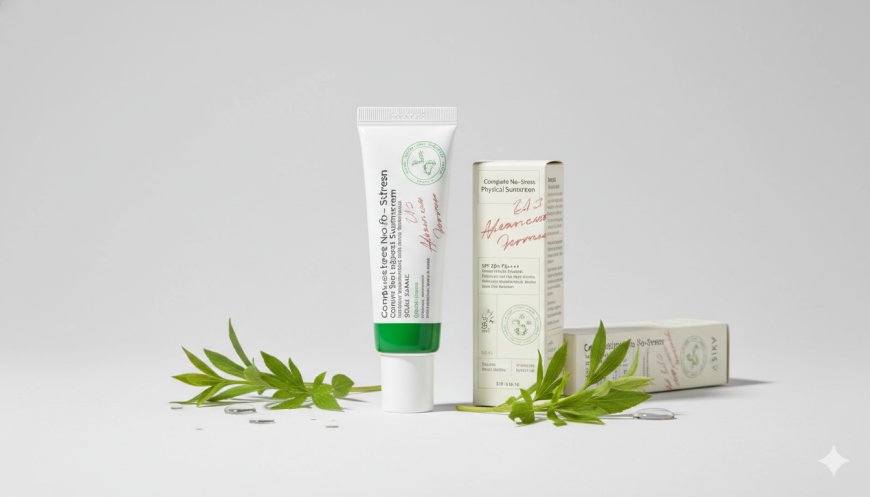
Skincare is one of those industries where the product almost never gets judged on its own — the packaging does a huge amount of the selling before anyone even opens the lid. A cream that leaks, a serum bottle that looks cheap, or a box that gets crushed in transit can undo months of formulation work in a single bad unboxing experience. That's why custom skincare packaging boxes has become less of a finishing touch and more of a core part of how skincare brands actually compete.
At Packaging Bee AU, we work with skincare brands of all sizes — from small-batch, home-formulated lines just getting started to established brands scaling up production — building packaging that keeps formulas stable, ships without damage, and looks like it belongs on a bathroom shelf someone's proud of.
What Makes Skincare Packaging Different From Other Product Packaging
Skincare products come with a few packaging challenges that most other categories don't deal with. Many formulas are sensitive to light, air, or moisture, which means the packaging isn't just cosmetic — it directly affects how long the product stays effective. Bottles and jars also need to survive repeated handling, since skincare items get picked up, opened, and used daily rather than once.
On top of that, skincare buyers tend to associate packaging quality with product quality. A flimsy box or a cracked pump bottle raises doubts about whether the formula inside is trustworthy, even if the product itself is excellent. Getting the packaging right isn't just about protection — it's about not giving customers a reason to hesitate.
Types of Skincare Packaging We Offer
Different skincare products need different packaging approaches, so we typically work across a few core categories:
Cream and moisturiser packaging, usually jars, tubs, or pump bottles depending on the texture and how much product is dispensed per use
Serum packaging, generally smaller bottles with droppers or pumps to control precise amounts
Face wash and cleanser packaging, often tubes or bottles with flip caps or pumps for easy daily use
Sunscreen packaging, typically spray bottles or squeeze tubes built to handle frequent, quick application
Secondary packaging, meaning the outer box or carton that holds the primary container and carries the branding
Most skincare brands need a combination of these — a functional primary container plus a branded outer box that does the visual heavy lifting on shelf or in an unboxing video.
Choosing the Right Material
Material choice affects both the practical side (protection, shelf life) and the brand feel, so it's worth thinking through rather than defaulting to whatever's cheapest.
Kraft paper has become a common choice for brands leaning into a natural, clean, or eco-conscious identity. It's biodegradable, gives off a raw, minimal look, and tends to suit brands that market themselves around simple or organic ingredients.
Cardboard is the more standard, cost-effective option for outer boxes. It's lightweight, holds its shape well, and prints cleanly, which matters if your branding relies on colour accuracy or fine detail.
Corrugated board makes sense when products are being shipped rather than sold purely in-store. The extra structural layer helps absorb shock during transit, which is particularly useful for glass bottles or jars that can crack if handled roughly.
Rigid board is the premium option, generally reserved for higher-end skincare lines or gift sets. It has a noticeably sturdier feel in hand and tends to be paired with softer finishes like matte lamination or soft-touch coating.
Skincare Packaging Trends Worth Knowing
A few patterns have become fairly consistent across the skincare space recently, and they're worth considering when planning new packaging:
Minimalist design continues to dominate, with clean typography and restrained colour palettes often outperforming busier, more decorated designs — particularly for skincare marketed as science-backed or clinical.
Window cut-outs are increasingly common, letting customers see the actual product before buying, which builds a bit more trust than a fully sealed box.
Tactile finishes like soft-touch coating, embossing, or debossing add a sensory element that's easy to underestimate until you compare a plain box next to one with a textured logo.
Multifunctional packaging — boxes that double as travel cases or storage after the product is used up — has become a small but noticeable point of differentiation for brands trying to add extra perceived value.
Printing and Finishing Options
Once the structure and material are settled, printing is where the branding actually comes through.
Digital printing works well for smaller runs or brands that update packaging designs frequently, since there's no large setup cost involved.
Offset printing becomes more economical at higher volumes and tends to produce slightly more consistent colour across large batches.
Embossing and debossing change the texture of the box itself rather than just the print, giving logos or design elements a raised or pressed-in effect that feels more premium.
Spot UV adds a glossy contrast against a matte background, often used to highlight a logo or specific design element without affecting the rest of the box.
Matte and gloss lamination are the two most common finishing choices — matte tends to read as more premium or minimalist, while gloss makes colours more vibrant and eye-catching on shelf.
Primary vs Secondary Packaging
It's worth understanding the difference between these two, since skincare brands often need both.
Primary packaging is whatever directly touches the product — the jar, bottle, tube, or pump. It needs a reliable seal so the product doesn't leak or degrade before use.
Secondary packaging is the outer box or carton. This is usually where most of the branding lives, since it's what customers see first, whether on a shelf or in a delivery box.
Getting both right matters. A great-looking outer box paired with a leaking pump bottle creates a worse impression than plain packaging that simply works.
Why Packaging Matters More Than Skincare Brands Expect
A lot of new skincare brands underestimate how much packaging affects repeat purchases. Customers rarely separate "the product" from "the experience of using the product," and packaging is a big part of that experience — how it feels to open, whether it looks good on a shelf, whether it protects the formula properly over weeks of use.
For smaller or newer brands especially, packaging is often doing double duty as marketing. A well-designed box gets photographed, shared, and remembered in a way that a plain shipping container never will.
Why Choose Packaging Bee AU
We manufacture custom skincare boxes for brands across Australia, working with materials that meet cosmetic packaging standards so they're safe for use with skincare formulas. There's no strict minimum order requirement, which matters for smaller or newly launched brands that don't want to commit to large runs before knowing how a product will sell.
Our team offers free design consultation, helping with logo placement, colour choices, and overall box layout if you're not sure where to start. Most orders are completed within 8 to 10 working days, and we handle everything from material selection through to final printing and finishing.
If you're developing a new skincare line or looking to upgrade existing packaging, get in touch with our team and we'll help put together something that protects your formula and actually represents your brand properly.
What's Your Reaction?
 Like
0
 Dislike
0
 Love
0
 Funny
0
 Angry
0
 Sad
0
 Wow
0




