What happens immediately after Dark Circles Treatment?
Immediately after Dark Circles Treatment, the specialist checks the under-eye area, applies soothing products when needed, and provides instructions for skincare, sun protection, and recovery.
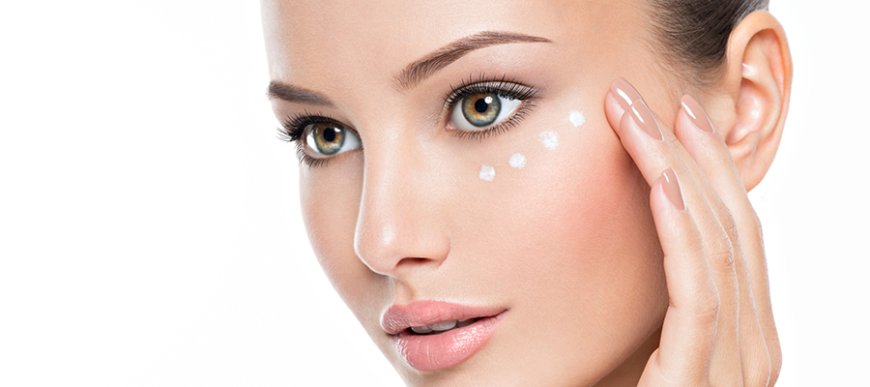
Immediately after Dark Circles Treatment, the specialist checks the under-eye area for redness, swelling, irritation, or other reactions. The next steps depend on the treatment performed, such as skincare, chemical peels, laser treatment, allergy management, or dermal fillers. People considering علاج الهالات السوداء في دبي should understand the aftercare process before treatment so they know what to expect and how to protect the delicate skin around the eyes.
Examination Of The Treated Area:
The first step after treatment is usually an examination of the under-eye area. The specialist checks the skin for redness, swelling, tenderness, dryness, or unusual discomfort.
The professional may also assess whether the treatment has caused any immediate reaction. Mild warmth, tingling, tightness, or temporary sensitivity may occur after certain procedures. However, intense burning, severe pain, or rapidly increasing swelling should be reported immediately.
If the treatment involved injections, the specialist may check the placement area for bruising, asymmetry, or excessive swelling. After laser treatment or a chemical peel, the skin may be examined for irritation or pigment changes.
Application Of Soothing Products:
A soothing moisturiser, cooling product, or barrier-supporting cream may be applied after treatment. These products can help reduce dryness and support the skin’s protective barrier.
The product selected depends on the treatment method and the patient’s skin condition. A gentle moisturiser may be suitable after skincare or a mild procedure, while a more specific aftercare product may be recommended following a peel or laser treatment.
Patients should avoid applying additional products unless they have been recommended by the specialist. Using too many active ingredients immediately after treatment may increase irritation.
Sun Protection:
Sun protection is an important part of immediate aftercare. The skin around the eyes may be more sensitive after exfoliation, laser treatment, or other procedures.
The specialist may recommend a broad-spectrum sunscreen with SPF 30 or higher, depending on the treatment and the condition of the skin. Patients may also be advised to wear sunglasses, a hat, or protective clothing when outdoors.
Direct sunlight can increase pigmentation and may interfere with the improvement of dark circles. Patients should follow the professional’s instructions about when and how to apply sunscreen near the eyes.
What Happens After Skincare Treatment?
After a topical skincare treatment, the under-eye area may feel hydrated, soft, or slightly refreshed. The specialist may explain how often to apply the recommended product and which ingredients should be avoided.
Skincare treatments usually involve little or no downtime. However, some patients may experience mild dryness, sensitivity, or temporary redness, particularly when using brightening ingredients.
The specialist may advise patients to avoid strong acids, retinoids, abrasive scrubs, or fragranced products until the skin has adjusted.
What Happens After A Chemical Peel?
After a chemical peel, the specialist removes or neutralises the peeling solution according to the product instructions. The skin is then checked for redness, tightness, burning, or other reactions.
A soothing moisturiser or barrier-supporting product may be applied. The patient may experience mild tingling, dryness, tightness, or redness immediately afterward.
Some peels may cause light flaking or peeling during the following days. Patients should not rub, scratch, or pick the skin. They should also avoid using scrubs or strong exfoliating products to speed up the peeling process.
The specialist will explain when normal skincare, makeup, and active ingredients can be resumed.
What Happens After Laser Treatment?
After laser treatment, the skin may appear slightly red, swollen, warm, or sensitive. The exact reaction depends on the laser type, treatment intensity, skin tone, and individual response.
The specialist may apply a cooling or soothing product and provide instructions about cleansing, moisturising, and sun protection. Patients may be advised to avoid excessive heat, direct sunlight, and irritating skincare products for a specific period.
Temporary darkening or lightening of the treated area may occur in some cases. Patients with darker skin tones or a history of pigmentation changes should follow aftercare instructions carefully.
What Happens After Dermal Fillers?
After under-eye filler treatment, the specialist checks the treated area for swelling, bruising, tenderness, or asymmetry. Mild swelling or pressure may occur after injections.
Patients may be advised to avoid rubbing or pressing the treated area and to follow specific instructions about makeup, exercise, heat, and skincare.
Under-eye fillers require particular caution because the area contains delicate structures and blood vessels. Severe pain, unusual skin colour changes, sudden vision changes, or significant swelling require urgent medical assessment.
Can Patients Return To Normal Activities?
The ability to return to normal activities depends on the procedure. Many patients can continue their usual routine after gentle skincare, while chemical peels, laser treatment, or fillers may require temporary precautions.
The specialist may advise avoiding:
- Direct sunlight
- Excessive heat
- Intense exercise
- Facial massage
- Eye rubbing
- Makeup for a specific period
- Strong skincare products
- Facial waxing or threading
Patients should follow individual instructions rather than relying on a general recovery timeline.
What Symptoms Are Normal?
Mild redness, tightness, dryness, tingling, tenderness, or light swelling may occur after some treatments. These effects often improve as the skin recovers.
However, symptoms should not become progressively worse. Patients should contact their healthcare professional if they experience increasing pain, severe burning, blistering, spreading redness, discharge, or persistent irritation.
Sudden vision changes, difficulty breathing, facial swelling, or severe pain after an injectable procedure require urgent medical attention.
When Do Results Begin To Appear?
Some patients may notice a fresher or smoother appearance soon after treatment. However, improvements in pigmentation, skin texture, or hollowness may take several days or weeks.
The timeline depends on the treatment method, cause of the dark circles, skin condition, aftercare, and individual response. A single session may not provide complete improvement, and some patients may need several treatments or maintenance care.
Frequently Asked Questions:
Can I wash my face immediately after treatment?
The specialist will explain when and how to cleanse the skin. Gentle cleansing is usually recommended, but rubbing and harsh products should be avoided.
Can I apply moisturiser after Dark Circles Treatment?
A gentle moisturiser may be recommended to support hydration and the skin barrier. Use products approved by the treating professional.
Should I use sunscreen immediately after treatment?
Sun protection is important, but the timing depends on the procedure and the condition of the skin. Follow the specialist’s instructions.
Can I wear makeup after treatment?
Makeup may need to be avoided temporarily after peels, laser treatment, or fillers. Ask the specialist when it is safe to apply it again.
When should I contact the specialist?
Contact the specialist if you experience severe pain, increasing swelling, blistering, spreading redness, discharge, or persistent irritation. Sudden vision changes or breathing difficulty require urgent medical attention.
Conclusion:
Immediately after Dark Circles Treatment, the specialist examines the under-eye area, checks for reactions, and may apply soothing or barrier-supporting products. Sun protection and gentle skincare are usually important parts of aftercare. Mild redness, dryness, tightness, swelling, or peeling may occur depending on the procedure. Patients should avoid rubbing the eyes, direct sunlight, excessive heat, and irritating products while the skin recovers. Following professional instructions helps support safer healing and more consistent treatment results.
What's Your Reaction?
 Like
0
 Dislike
0
 Love
0
 Funny
0
 Angry
0
 Sad
0
 Wow
0