










Dental Bridge vs Implant: Replacing a Single Missing Tooth
Compare dental bridges and implants for replacing a single missing tooth. Learn about their benefits, differences and factors to consider with a dentist in Melton
Losing teeth is a common occurrence, whether it's because of tooth decay, an accident while playing football, or simply the inability to save the tooth. This brings us to the question of what solution can replace the missing tooth. In case of having a single tooth missing, people might resort to a dental bridge or a dental implant as two of the most popular options. While both solutions effectively solve the problem, they are fundamentally distinguished from one another. The article makes a brief comparison between the two alternatives.
Why Do You Need Tooth Replacement?
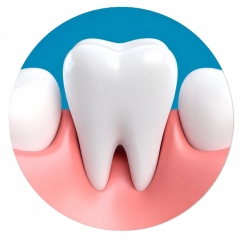
The question of why replacing the tooth is important arises. After all, it is in the back row where the tooth is not visible at all. However, the gap may result in the teeth adjacent to the missing tooth tilting towards the space. Furthermore, those teeth that have nothing to bite against will start moving as well. Finally, the jawbone will lose its density over time since there will be no support provided by the missing tooth..
What Is a Dental Bridge?
A bridge simply does what it says. It bridges the gap.
The most popular type uses the teeth adjacent to the gap for support. The teeth are shaped and have crowns put on them, with a false tooth located in the middle, joined to the crowns.
There are other types of bridges. Some are bonded to the back of the neighboring teeth, and they don't need extensive shaping. Your dentist will tell you the one that is most appropriate for your circumstance.
Usually, the bridge implants take around two visits, with a temporary bridge in between.
What Is a Dental Implant?
An implant replaces the root of the missing tooth and the visible part.
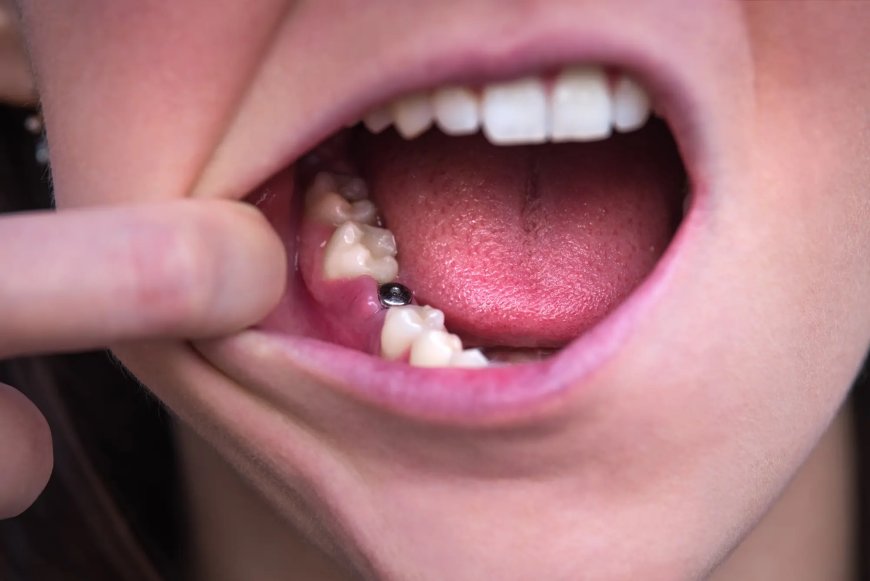
A small post, usually made of titanium, is implanted into the jawbone in a minor surgery. It takes a few months for the bone to attach itself to the post, and when it does, a crown is fitted on top.
Since it is fixed in the bone, an implant doesn't require any support from teeth next to it.
The entire process usually takes several months, with a number of appointments throughout.
How Do They Compare?
Effect on the teeth next door
This is one of the major distinctions. Traditional bridges require the alteration of adjacent teeth, even if they are in perfect condition. Implants, on the other hand, do not affect these teeth. In cases where the neighboring teeth are already damaged (for example, have large fillings or need crowns anyway), it makes more sense to use bridges.
Duration
Bridges are usually quicker to install, requiring several weeks. In contrast, the procedure of implant installation takes longer, as it requires time for the bone to heal around the implant.
Surgery
To put it simply, it is not a surgical procedure to install a bridge. In contrast, implanted procedures do involve surgeries, therefore it is necessary to evaluate whether the patient is in a good health condition or not. There are different factors that can impact healing, such as certain diseases or habits of a patient, and the dentist will first consider them.
Bone
In order for the implant to be fixed properly, there should be enough healthy bone tissue. In cases if there is no sufficient amount of it, the first step of the treatment will be an augmentation procedure that will require more time.
Cleaning
You clean an implant much like a natural tooth. A bridge needs a little extra care, as you'll need to clean under the false tooth with a floss threader or small interdental brush.
Cost
Costs vary depending on your mouth and the type of treatment. Implants often cost more upfront, while a bridge may need replacing at some point. Your dentist can give you a written estimate for both options.
What Are the Risks?
Despite the excellent results they achieve in tooth restoration, treatments have some drawbacks. If you choose to go with the bridge option, you might have to deal with:
-
decay that forms underneath the crowns due to poor oral hygiene.
-
the supporting teeth that may require additional treatment, such as root canal therapy.
-
the bridge that may come loose and require replacement at some point.
-
Additionally, if you are considering implants, the risks involved include:
-
swelling, bruising, and discomfort in the aftercare stage.
-
infection near the implant.
-
nerve irritation that can lead to temporary numbness or tingling.
-
the implant not fusing with the bone and needing to be taken out.
In your initial consultation, your dentist will provide you with detailed information about possible drawbacks.
If you lost a tooth and are considering dental solutions available to you, our specialists will be happy to assist you in determining which option works best for you. Our dentist in Melton will provide you with a professional assessment of your case, give you all relevant information about bridges and dental implants in Greenvale, and present you with the costs involved in the process.
What's Your Reaction?
 Like
0
 Dislike
0
 Love
0
 Funny
0
 Angry
0
 Sad
0
 Wow
0