Dental Bridges: A Guide to Replacing Missing Teeth
Learn how dental bridges can replace missing teeth, restore chewing function, improve your smile, and support long-term oral health.

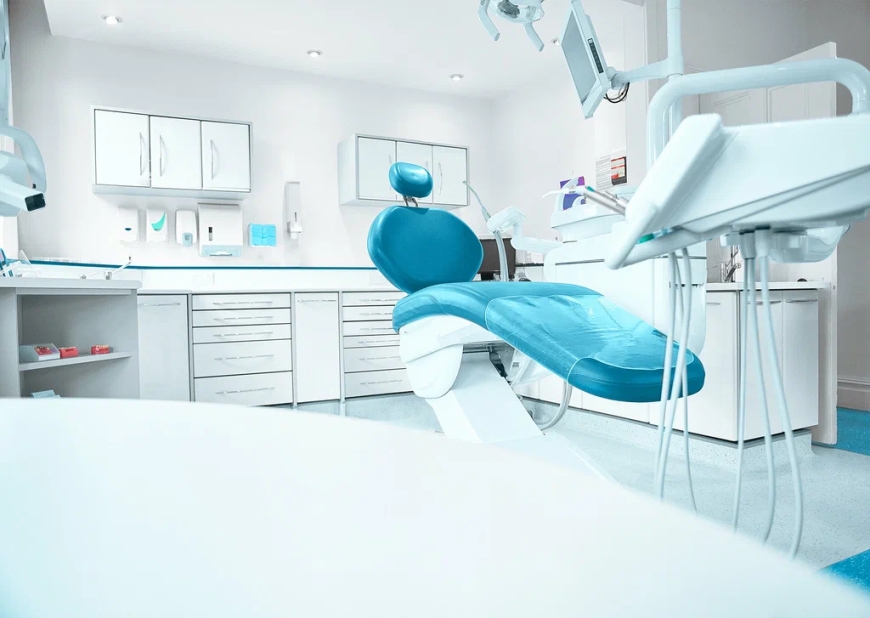
Missing teeth can affect more than the appearance of a smile. They can also make chewing and speaking less comfortable and may allow surrounding teeth to shift over time. Dental Bridges are one option for replacing one or more missing teeth and restoring a more complete smile.
Understanding how dental bridges work, the different types available, and what is involved in caring for them can help patients determine whether this restorative treatment may be appropriate for their needs.
What Are Dental Bridges?
A dental bridge is a fixed dental restoration designed to replace one or more missing teeth. It typically consists of an artificial replacement tooth, known as a pontic, supported by crowns or other structures connected to the surrounding teeth or dental implants.
Unlike removable dentures, a traditional dental bridge remains in place once it has been permanently fitted.
The specific type of bridge recommended depends on factors such as the location of the missing tooth, the condition of surrounding teeth, and the patient's overall oral health.
Why Do People Consider Dental Bridges?
A missing tooth can create functional and aesthetic concerns. Depending on its location, it may affect how a person chews, speaks, or feels about their smile.
Replacing the missing tooth can help:
- Restore chewing function
- Improve the appearance of the smile
- Support clearer speech in certain situations
- Restore a more complete dental arch
- Prevent unwanted movement of some surrounding teeth
A dental assessment is important to determine whether a bridge is an appropriate solution.
Different Types of Dental Bridges
Several types of dental bridges are available, and each has different applications.
Traditional Bridges
Traditional bridges are supported by crowns placed over the teeth next to the missing tooth. They are commonly used when the neighboring teeth are healthy enough to provide support.
Cantilever Bridges
A cantilever bridge may be considered when support is available from only one side of the missing tooth. Its suitability depends on the location of the missing tooth and the amount of force placed on the restoration.
Implant-Supported Bridges
Implant-supported bridges use dental implants rather than natural teeth as their support. This can be an option when multiple adjacent teeth are missing and the patient is a suitable candidate for implant treatment.
Maryland Bridges
Maryland bridges use a framework that is bonded to the back surfaces of supporting teeth. They may be considered in certain situations, particularly when replacing teeth toward the front of the mouth.
The appropriate bridge design depends on the patient's individual circumstances.
What Happens During Dental Bridge Treatment?
Treatment usually begins with an examination of the mouth and the area where the tooth is missing. The dental team may evaluate the surrounding teeth, gums, bite, and bone structure.
If a traditional bridge is selected, the supporting teeth may need to be prepared to receive the crowns. Impressions or digital scans can then be used to create a restoration designed to fit the patient's mouth.
Once the bridge is ready, it is carefully fitted and permanently secured according to the treatment plan.
The exact process can vary depending on the type of bridge being used.
Caring for Dental Bridges
Although a dental bridge replaces a missing tooth, the surrounding teeth and gums still require regular care.
Patients should continue brushing twice a day and cleaning between the teeth. Special flossing tools or other cleaning methods may be recommended to help clean underneath and around the bridge.
Regular dental examinations and professional cleanings are also important. These appointments allow the dental team to monitor the bridge, supporting teeth, and surrounding gums.
How Long Can a Dental Bridge Last?
The lifespan of a dental bridge can vary depending on factors such as the type of restoration, oral hygiene, biting forces, diet, and general dental care.
Good oral hygiene and regular dental visits can help protect the supporting teeth and surrounding tissues. Patients should also avoid using their teeth to bite extremely hard objects that could damage a restoration.
If a bridge becomes loose, damaged, or uncomfortable, it should be assessed by a dental professional.
Choosing a Provider for Dental Bridges
When considering Dental Bridges, patients should look for a dental provider who takes time to evaluate the entire oral situation rather than focusing only on the missing tooth.
Important factors may include:
- A comprehensive dental examination
- Different restorative treatment options
- Personalized treatment planning
- Clear explanations of the procedure
- Guidance on bridge maintenance
- Regular follow-up care
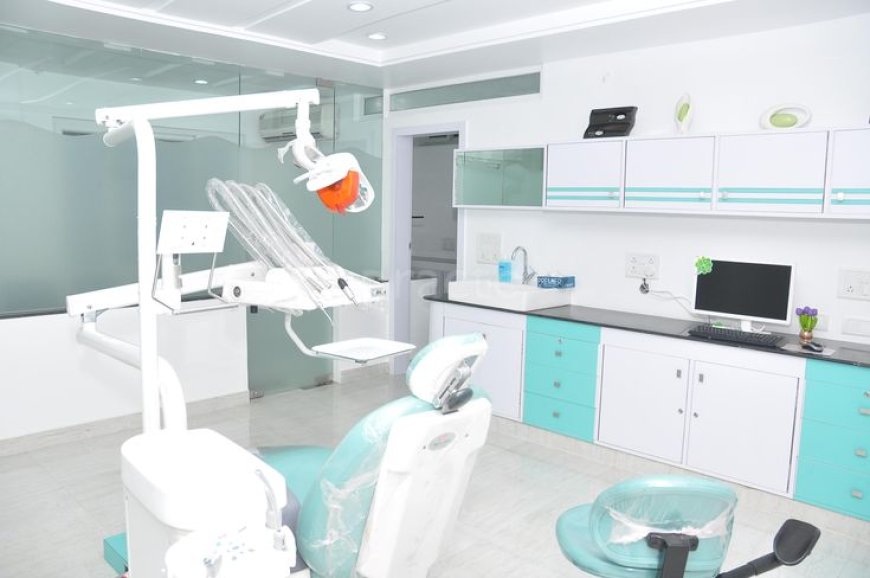
provides patients with an opportunity to discuss missing teeth and explore restorative options based on their individual needs. A consultation can help determine whether a dental bridge or another replacement option is appropriate.
Are Dental Bridges Right for Everyone?
Dental bridges can be an effective solution for many patients, but they are not automatically suitable in every situation. The condition of the supporting teeth, gums, bite, and surrounding structures all need to be considered.
Depending on the circumstances, alternatives such as dental implants or removable dentures may also be discussed.
A professional evaluation can help patients understand the available options and choose a treatment approach based on their oral health and individual goals.
Final Thoughts
Dental bridges can help replace missing teeth while restoring important aspects of smile appearance and oral function. Different bridge designs are available, and the appropriate option depends on factors such as the location of the missing tooth and the condition of the surrounding structures.
For patients considering Dental Bridges, a professional consultation is an important first step. With appropriate treatment planning, regular dental care, and good oral hygiene, a dental bridge can become an important part of a restored and functional smile.
What's Your Reaction?
 Like
0
 Dislike
0
 Love
0
 Funny
0
 Angry
0
 Sad
0
 Wow
0