
















Dental Sealants for Children and Adults: Protect Teeth from Cavities
Learn how Dental Sealants for Children and Adults help prevent cavities. Contact Heritage Valley Dental to explore preventive dental care options.

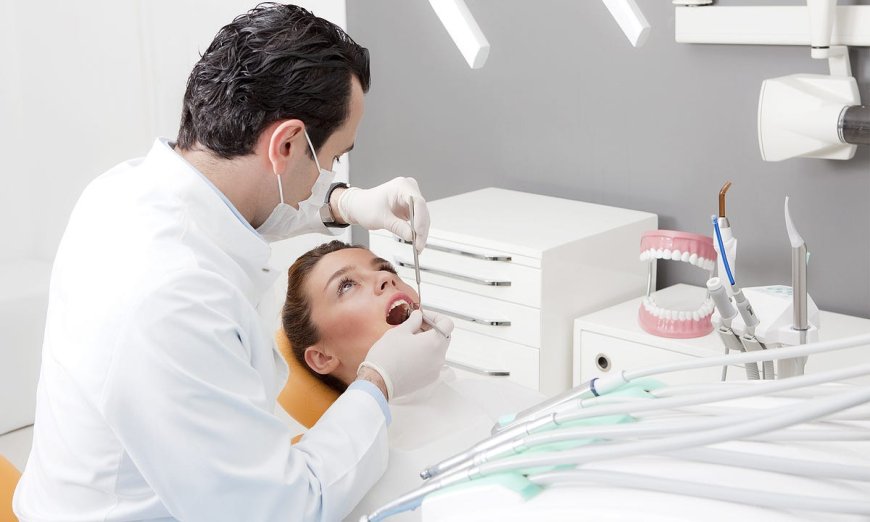
Dental Sealants for Children and Adults are a preventive dental treatment designed to protect the chewing surfaces of back teeth from tooth decay. The deep grooves and tiny pits found on molars can easily collect food particles and bacteria, making these areas more difficult to clean with regular brushing. Dental sealants create a thin protective coating over these surfaces, helping reduce the risk of cavities.
At Heritage Valley Dental, patients can explore preventive dental care options based on their individual oral health needs. Whether you are considering sealants for your child or want to protect your own teeth, understanding how this treatment works can help you make an informed decision.
What Are Dental Sealants?
Dental sealants are thin protective coatings applied to the chewing surfaces of molars and premolars. These teeth often have narrow grooves where plaque and food particles can accumulate.
The sealant material flows into these grooves and hardens to create a smoother surface that is easier to keep clean. This protective layer helps prevent bacteria and food debris from becoming trapped in areas that are difficult to reach with a toothbrush.
Sealants are commonly made from dental resin materials, although other materials may also be used depending on the treatment approach.
Why Are Dental Sealants Important?
Tooth decay can develop when bacteria in plaque produce acids that gradually weaken tooth enamel. The grooves on back teeth are particularly vulnerable because they can be difficult to clean thoroughly.
Dental sealants offer several preventive benefits:
-
Cavity Prevention: They help protect vulnerable chewing surfaces from decay.
-
Protection of Tooth Enamel: Sealants create a physical barrier between enamel and plaque.
-
Easier Cleaning: Sealed surfaces can be easier to clean because deep grooves are covered.
-
Non-Invasive Treatment: Applying sealants generally does not require drilling or removing healthy tooth structure.
-
Long-Term Support: With regular monitoring and maintenance, sealants can provide protection for several years.
Sealants do not replace brushing, flossing, fluoride use, or regular dental examinations. They work best as part of a complete preventive dental routine.
Who Can Benefit from Dental Sealants?
Although dental sealants are commonly associated with children, adults may also benefit from them when their molars have deep grooves and no existing decay or large restorations.
Dental Sealants for Children
Children are often good candidates for sealants when their permanent molars first appear. The first permanent molars usually erupt around age six, while the second permanent molars generally appear around age twelve.
Applying sealants soon after these teeth emerge can help protect them during the cavity-prone childhood and teenage years.
Children may benefit from sealants if they:
-
Have newly erupted permanent molars.
-
Have deep grooves in their back teeth.
-
Have a history of cavities.
-
Find it difficult to clean the chewing surfaces thoroughly.
-
Have an increased risk of tooth decay.
A dentist can examine the child's teeth and determine the appropriate timing for treatment.
Dental Sealants for Adults
Adults can also be candidates for sealants, particularly when their back teeth have deep pits and grooves that are still free from decay.
Sealants may be worth considering for adults who:
-
Have naturally deep grooves on molars.
-
Have no existing cavities on the surfaces being treated.
-
Have a higher risk of developing tooth decay.
-
Want additional protection for vulnerable chewing surfaces.
A dental examination is necessary to determine whether sealants are appropriate for an adult's teeth.
How Are Dental Sealants Applied?
Applying dental sealants is generally quick, comfortable, and straightforward. The procedure usually takes only a few minutes per tooth.
The process typically involves these steps:
1. Dental Examination
The dentist examines the teeth to determine whether the chewing surfaces are suitable for sealants. Any existing decay may need treatment first.
2. Cleaning the Tooth
The selected tooth is thoroughly cleaned to remove plaque and food particles from its grooves.
3. Preparing the Surface
The tooth is dried and a special conditioning solution may be applied to help the sealant bond properly to the enamel.
4. Applying the Sealant
The liquid sealant material is carefully placed over the chewing surface, allowing it to flow into the pits and grooves.
5. Hardening the Material
A special curing light may be used to harden the sealant, depending on the material selected.
6. Checking the Bite
The dentist checks the treated tooth to ensure the sealant is properly positioned and does not interfere with the patient's bite.
Once completed, patients can generally return to their normal activities immediately.
How Long Do Dental Sealants Last?
Dental sealants can provide protection for several years, but their lifespan varies depending on factors such as chewing habits, oral hygiene, and the type of material used.
Over time, sealants may wear down, chip, or partially come away from the tooth surface.
Regular dental examinations allow your dentist to check their condition and determine whether repair or replacement is necessary.
To help maintain sealants:
-
Brush twice daily with fluoride toothpaste.
-
Floss once a day.
-
Avoid chewing hard objects such as ice.
-
Maintain regular dental checkups.
-
Follow your dentist's recommendations for preventive care.
Are Dental Sealants Safe?
Dental sealants are widely used in preventive dentistry and are generally considered safe for both children and adults when appropriately applied.
Some sealant materials may contain small amounts of substances that are also found in other dental materials. If you have concerns about the materials used, discuss them with your dentist before treatment.
The dentist can explain the available options, assess your oral health, and recommend a suitable approach.
Dental Sealants vs. Fluoride Treatment
Dental sealants and fluoride treatments both help prevent tooth decay, but they work in different ways.
| Feature | Dental Sealants | Fluoride Treatment |
|---|---|---|
| Main purpose | Covers pits and grooves | Strengthens tooth enamel |
| Application | Protective coating on selected teeth | Fluoride applied to teeth |
| Main protection area | Chewing surfaces of back teeth | Tooth surfaces generally |
| Suitable patients | Children and selected adults | Children and adults |
| Maintenance | Requires regular inspection | May be repeated as recommended |
These treatments can complement each other. Your dentist can determine whether one or both are appropriate based on your cavity risk.
Why Choose Heritage Valley Dental for Preventive Care?
Preventing cavities is an important part of maintaining healthy teeth throughout life. Choosing the right preventive treatment involves understanding your dental condition, cavity risk, and long-term oral health goals.
Heritage Valley Dental can be contacted to discuss preventive dental care and whether Dental Sealants for Children and Adults may be suitable for your family.
When considering a dental clinic, look for clear treatment explanations, thorough examinations, and personalised recommendations that focus on protecting natural teeth.
Protect Your Family's Smiles with Dental Sealants
Cavities can develop in areas that are difficult to clean, particularly the deep grooves of molars. Dental sealants provide an additional protective barrier that can help reduce the risk of decay in these vulnerable areas.
Whether you are considering preventive treatment for your child or additional cavity protection for yourself, a professional dental examination is the best way to understand your options.
Contact Heritage Valley Dental to learn more about Dental Sealants for Children and Adults and discuss a preventive care plan that supports healthier teeth and long-lasting smiles.
What's Your Reaction?
 Like
0
 Dislike
0
 Love
0
 Funny
0
 Angry
0
 Sad
0
 Wow
0