



























Do Steel Homes Rust? How Galvanization Protects Your House
Discover whether steel homes rust and how galvanisation protects steel framing from corrosion, improves durability, and supports long-lasting homes.

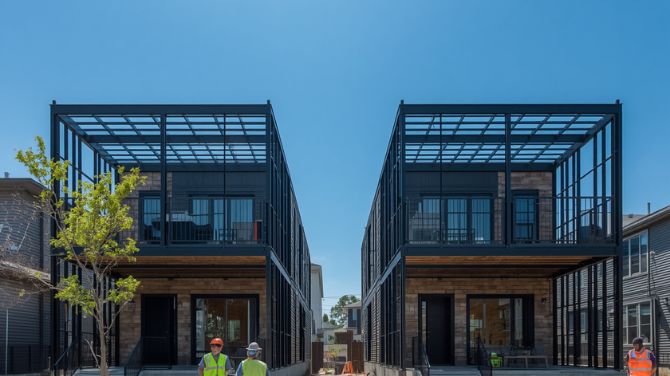
Steel homes are becoming a popular choice for modern construction because they offer strength, durability, design flexibility, and efficient building processes. However, one common question homeowners ask before choosing steel framing is: Do steel homes rust?
The simple answer is yes, steel can rust when it is exposed to moisture and oxygen for extended periods. However, this does not mean that a steel-framed home will easily corrode or lose its strength. With the right material selection, protective coatings, proper installation, and regular maintenance, steel framing can provide long-lasting performance.
One of the most effective ways to protect steel frames from corrosion is galvanization. This process adds a protective zinc coating to steel, helping prevent rust and extending the life of the building structure. Understanding how galvanization works can help homeowners make informed decisions when planning a new steel-framed home.
Can Steel Homes Rust Over Time?
Yes, steel homes can develop rust if their steel components are left unprotected and exposed to moisture, oxygen, and other environmental conditions that encourage corrosion.
Rust forms when iron in steel reacts with oxygen and water. Over time, this chemical reaction can weaken the material, particularly if corrosion continues without being addressed.
However, modern steel framing systems are designed with corrosion protection in mind. Many residential steel frames use galvanized steel, which has a zinc coating that helps protect the underlying metal.
The risk of corrosion depends on several factors, including:
-
Moisture exposure: Persistent leaks, condensation, and water accumulation can increase corrosion risk.
-
Coastal conditions: Salt in coastal air can accelerate corrosion if the protective coating is unsuitable or damaged.
-
Construction quality: Poor detailing, inadequate drainage, and incorrect installation can expose steel components to moisture.
-
Protective coatings: The type and thickness of the coating influence how effectively steel resists corrosion.
-
Maintenance: Identifying leaks and damaged protective coatings early helps prevent long-term problems.
Choosing quality materials and a suitable steel framing perth system from the beginning can significantly reduce these risks.
What Is Galvanization in Steel Framing?
Galvanization is a protective process in which steel is coated with zinc to help prevent corrosion. The zinc coating creates a barrier between the steel and its surrounding environment.
In many residential construction applications, steel framing components are manufactured from pre-galvanized steel. This means the steel receives its protective zinc coating during the manufacturing process, before being formed into framing sections.
Hot-dip galvanizing is another process in which fabricated steel is immersed in molten zinc. The appropriate method depends on the component, its intended use, and the manufacturer's specifications.
For steel homes, galvanized steel framing is particularly valuable because wall frames, roof components, and other structural elements may remain concealed behind finished surfaces for many years.
The coating helps protect these components from corrosion throughout the building's service life, provided the material is correctly specified and installed.
How Does Galvanization Protect Your House?
Galvanization protects steel through several important mechanisms.
1. Creates a Protective Barrier
The zinc coating separates the steel surface from moisture and oxygen. Since these elements are necessary for ordinary rust formation, limiting their contact with the steel helps reduce corrosion.
This protection is particularly important in residential steel framing, where concealed components should remain durable without requiring frequent direct access.
2. Provides Sacrificial Protection
One major advantage of zinc is that it can provide sacrificial protection. Zinc is generally more reactive than iron, so it corrodes preferentially under suitable conditions.
If a small area of the coating becomes damaged, the surrounding zinc can help protect exposed steel through electrochemical action. However, this protection has limits and depends on the environment, coating condition, and extent of the damage.
3. Supports Long-Term Durability
A suitable galvanized coating can help steel framing resist corrosion over many years. This contributes to the long-term performance of the building structure and can reduce the need for corrosion-related repairs.
The actual service life depends on coating thickness, environmental exposure, construction quality, and ongoing maintenance. Galvanization improves durability, but it does not make steel completely immune to corrosion.
4. Reduces Maintenance Requirements
When steel framing is properly protected and installed, it generally requires less corrosion-related maintenance than unprotected steel exposed to the elements.
Homeowners should still maintain roofs, gutters, plumbing, and external finishes to prevent water from reaching structural components.
Is Galvanized Steel Suitable for Residential Homes?
Galvanized steel can be an excellent choice for residential steel framing when the material and coating are appropriate for the building's environment.
Steel frames offer several benefits beyond corrosion resistance.
Strength and stability: Steel provides a high strength-to-weight ratio, allowing engineers to design framing systems that meet the building's structural requirements.
Dimensional consistency: Factory-manufactured steel framing components can offer consistent dimensions, supporting accurate fabrication and assembly.
Resistance to termites: Unlike timber, steel is not a food source for termites. However, other building materials and finishes may still require appropriate protection.
Design flexibility: Steel framing can be used in various residential designs, including contemporary homes, extensions, and selected multi-storey applications.
Efficient construction: Factory-cut components and prefabricated panels can help streamline on-site assembly, depending on project complexity and preparation.
The best results come from selecting a complete framing system designed for the project's structural, environmental, and regulatory requirements.
What Can Cause Galvanized Steel to Corrode?
Although galvanized steel offers effective protection, certain conditions can increase corrosion risk.
Coastal and High-Salt Environments
Homes near the ocean may experience greater exposure to airborne salt. Salt can accelerate corrosion and reduce the life of protective coatings, particularly when the coating is unsuitable for the exposure conditions.
For coastal properties, builders should select steel products and corrosion protection systems appropriate for the local environment.
Scratches and Cutting During Installation
Cutting, drilling, welding, or handling steel framing can damage protective coatings. Small areas may receive some sacrificial protection from nearby zinc, but larger or improperly treated damaged areas can become vulnerable.
Follow the steel manufacturer's recommendations for repairing coatings and protecting exposed edges or connections.
Water Leaks and Condensation
Leaking roofs, blocked gutters, plumbing failures, and condensation can expose concealed steel components to prolonged moisture.
Proper ventilation, suitable insulation, effective moisture management, and well-designed drainage help reduce these risks.
Contact With Incompatible Materials
Contact between steel and certain other metals, particularly in wet conditions, can contribute to galvanic corrosion. Some construction chemicals and aggressive environments may also affect protective coatings.
Correct material selection and compatible connections are important parts of a durable steel framing design.
How to Maintain a Steel-Framed Home
Good construction practices and basic maintenance help protect steel framing throughout the building's service life.
-
Inspect roofs, gutters, and downpipes regularly to prevent water accumulation.
-
Repair plumbing leaks and address persistent condensation promptly.
-
Keep drainage systems clear and ensure water moves away from the building.
-
Follow manufacturer guidance when repairing damaged galvanized coatings.
-
Use suitable fasteners and connection details for the environment.
-
Arrange professional inspections if you notice persistent dampness, unusual corrosion, or damage to exposed steel components.
Homeowners should avoid unnecessary modifications to structural steel framing without professional advice.
Steel Homes vs Timber Homes: Which Is More Durable?
Steel and timber can both perform well in residential construction when correctly designed, installed, and maintained. Their durability depends on the building environment and the quality of the construction system.
Timber can be vulnerable to termites, fungal decay, and moisture-related deterioration under unsuitable conditions. Steel is not affected by termites or fungal decay, but it can corrode when its protective systems are inadequate or damaged.
Steel also expands and contracts with temperature changes, and its performance during a fire depends on the overall building design and appropriate fire protection.
Rather than assuming one material is always better, homeowners should compare structural requirements, environmental exposure, maintenance needs, construction methods, and total project costs.
Conclusion
Do steel homes rust? Yes, steel can rust under the right conditions, but properly protected steel framing can provide excellent long-term durability.
Galvanization plays an important role by creating a protective zinc coating, limiting exposure to moisture and oxygen, and providing sacrificial protection where appropriate. When combined with quality fabrication, correct installation, suitable corrosion protection, and effective moisture management, galvanized steel can be a reliable option for residential construction.
If you are planning a new home, ask your builder about the steel grade, galvanization specifications, corrosion protection system, and suitability of the framing materials for your location. These details can make a significant difference to the building's long-term performance.
What's Your Reaction?
 Like
0
 Dislike
0
 Love
0
 Funny
0
 Angry
0
 Sad
0
 Wow
0




