

























Door Handles Advance with Design, Security and Smart Features
The global door handles market was valued at USD 8.56 billion in 2025 and is projected to grow from USD 9.0 billion in 2026 to USD 11.5 billion by 2032, registering a CAGR of 4.32% during the forecast period (2026–2032).

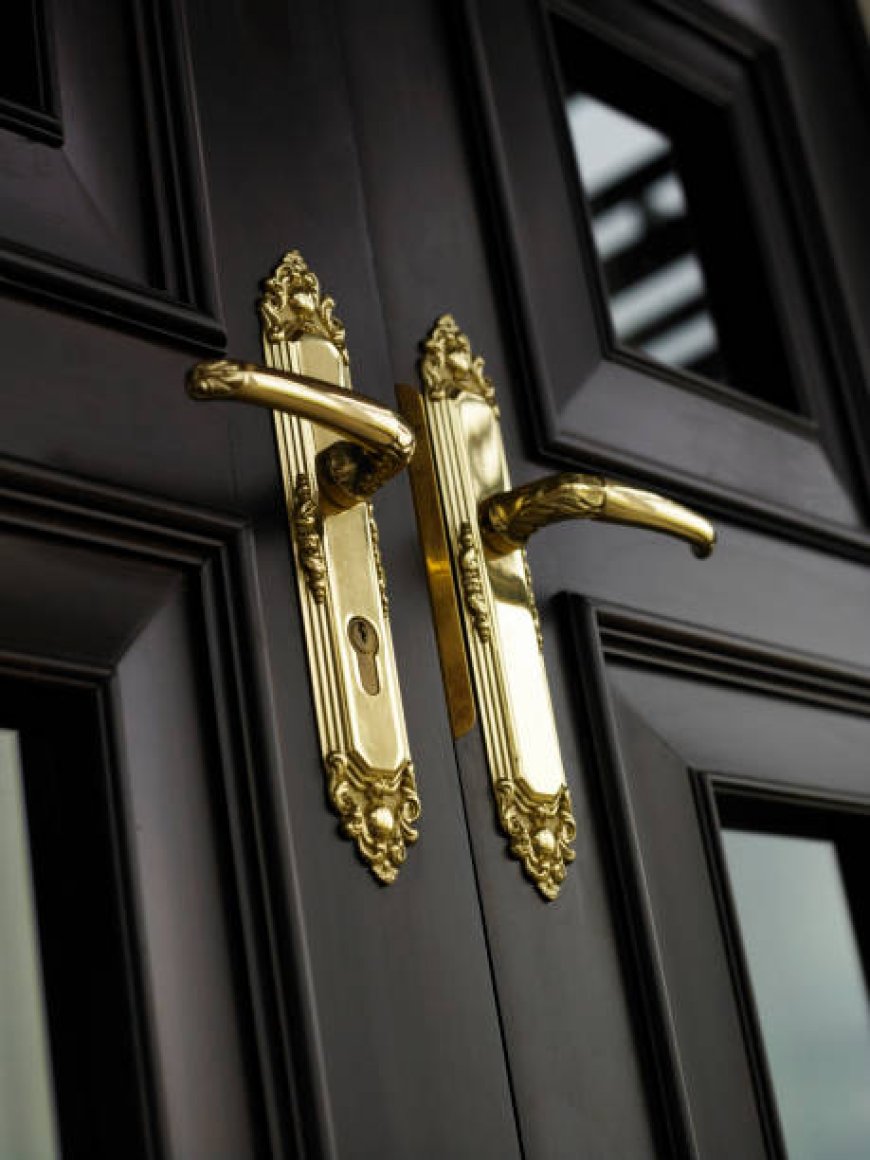
Door handles are evolving from basic functional hardware into important components of residential, commercial, hospitality, and institutional spaces. Consumers and building owners increasingly consider handles based on design, durability, ease of operation, security, material quality, and compatibility with modern access systems. Renovation activity, new construction, interior design preferences, and the adoption of connected security technologies are creating new opportunities for manufacturers across different application areas.
A recent study by Markntel Advisor highlights that the global door handles industry was valued at USD 8.56 billion in 2025. It is projected to grow from USD 9.0 billion in 2026 to USD 11.5 billion by 2032, registering a CAGR of 4.32% during the forecast period. Asia-Pacific dominates the sector, accounting for 35% of the total share, supported by construction activity, urban development, renovation projects, and growing demand for residential and commercial hardware.
Construction Activity Strengthens Demand
Construction remains a major driver of door handle demand because every residential, commercial, hospitality, and institutional building requires door hardware. New housing developments and commercial projects create demand for handles across interior and exterior applications.
Rapid urban development across Asia-Pacific is particularly important because expanding cities require new housing, offices, retail spaces, hotels, hospitals, and public infrastructure. These projects create opportunities for both standard hardware and premium designs tailored to different architectural requirements.
Renovation Supports Replacement Demand
Renovation and remodeling projects provide another important source of demand. Property owners may replace existing handles to improve appearance, functionality, security, or compatibility with updated doors and access systems.
Interior design trends are also influencing handle selection. Matte finishes, metallic surfaces, minimalist profiles, concealed mechanisms, and decorative designs allow door hardware to complement broader interior concepts. This is encouraging manufacturers to expand product portfolios across different styles and finishes.
Accessibility Influences Handle Design
Ease of operation is becoming increasingly important when selecting door hardware. Handles used in accessible environments need to accommodate people with different levels of mobility and dexterity.
The U.S. Department of Justice's accessibility standards specify that door hardware should be operable without tight grasping, pinching, or twisting of the wrist. ADA requirements for door and gate hardware recognize lever-operated, push-type, and U-shaped handles as suitable designs in accessible applications. This emphasis on usability can influence product development across commercial and public buildings.
Smart Access Creates New Opportunities
The integration of digital access technologies is expanding the role of door hardware. Smart handles and connected locking systems can incorporate electronic credentials, mobile applications, biometric authentication, keypads, and remote access management.
These systems are particularly relevant to hotels, offices, residential developments, and other properties seeking greater control over entry. Smart hardware can also integrate with broader building-management and security systems, allowing access permissions to be managed digitally.
Security Remains a Core Requirement
Security continues to be an important consideration in door hardware selection. Handles are often integrated with locks, latches, cylinders, and electronic access systems to provide controlled entry.
Commercial and institutional buildings may require hardware designed for higher usage and security requirements, while residential consumers may prioritize a combination of appearance, convenience, and protection. Manufacturers are therefore developing products that balance mechanical reliability with modern access technologies.
Material Innovation Supports Durability
Material selection has a direct influence on the durability, appearance, and performance of door handles. Stainless steel, aluminum, brass, zinc alloys, and other materials are used across different product categories.
Manufacturers are also developing finishes designed to withstand frequent handling, moisture, corrosion, and environmental exposure. In high-traffic environments such as hotels, hospitals, offices, and public facilities, durability can be especially important because hardware experiences repeated daily use.
Hospitality Encourages Premium Designs
Hotels, resorts, restaurants, and other hospitality establishments often use door hardware as part of their broader interior design strategy. Handles can contribute to the visual identity of guest rooms, entrances, public areas, and service spaces.
Premium finishes and distinctive designs can help properties create a consistent aesthetic while maintaining practical functionality. Hospitality renovations can therefore create opportunities for manufacturers offering decorative, durable, and specialized hardware.
Commercial Buildings Favor Functional Hardware
Commercial buildings require door hardware that can withstand frequent use while supporting operational requirements. Offices, retail facilities, educational institutions, and healthcare buildings may use different handle types according to room function, traffic levels, accessibility requirements, and security needs.
High-traffic environments can create demand for robust hardware with reliable mechanisms. In larger facilities, compatibility with access-control systems can also become an important consideration when selecting door hardware.
Asia-Pacific Leads Regional Demand
Asia-Pacific accounts for 35% of the global sector, supported by construction activity, urbanization, infrastructure development, and expanding residential and commercial projects. China, India, Japan, South Korea, and Southeast Asian economies contribute to the region's broad construction and property-development ecosystem.
The region's growing middle-class population and expanding urban centers are also supporting demand for improved residential interiors. As new properties are developed and existing buildings are renovated, opportunities are emerging across both standard and premium door hardware.
Competition Encourages Product Development
Manufacturers are competing through product design, materials, finishes, durability, security features, customization, and smart functionality. The expansion of connected access technologies is also encouraging traditional hardware companies to explore electronic and digitally enabled solutions.
Product differentiation can help manufacturers address diverse requirements across residential, commercial, hospitality, and institutional applications. Partnerships with architects, interior designers, construction companies, and access-control providers can further support product adoption.
Future Growth Remains Design and Security Driven
The global door handles sector is evolving through construction activity, renovation, accessibility requirements, premium interior design, security needs, and smart access technologies. The projected increase from USD 9.0 billion in 2026 to USD 11.5 billion by 2032 reflects continued demand across residential, commercial, hospitality, and institutional applications.
Future development will remain connected with durable materials, contemporary designs, accessible hardware, electronic access systems, and integrated security solutions. As buildings become more connected and consumers place greater emphasis on both aesthetics and functionality, door handles are expected to remain an important element of modern building hardware.
What's Your Reaction?
 Like
0
 Dislike
0
 Love
0
 Funny
0
 Angry
0
 Sad
0
 Wow
0




