













Erectile Dysfunction Treatment and Partner Support
Erectile Dysfunction Treatment and Partner Support
Erectile Dysfunction Treatment and Partner Support
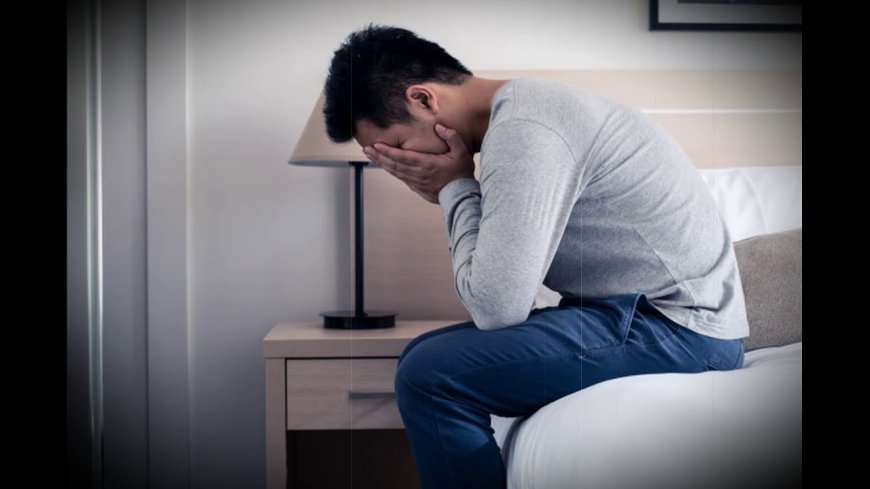
Erectile dysfunction (ED) is rarely just an individual health concern—it is a shared relational experience. While ED is rooted in vascular, neurological, hormonal, or psychological mechanisms, its impact ripples directly into emotional intimacy, communication, and relationship dynamics.
Erectile Dysfunction Treatment in Jeddah is designed to address the underlying causes of erectile difficulties and support improved sexual health.
When couples approach ED as a shared, manageable health condition rather than a personal shortcoming, treatment success rates increase significantly, and relational bonding often deepens.
The Relational Impact of Erectile Dysfunction
Without open communication, ED can create an unintended distance between partners:
-
Misinterpretation of Intent: A partner may interpret a partner's lack of erection or sexual avoidance as a loss of physical attraction, rejection, or infidelity.
-
The Cycle of Withdrawal: To avoid the anxiety, frustration, or shame associated with an incomplete erection, individuals experiencing ED may withdraw from physical contact altogether—including simple non-sexual touch like hugging, cuddling, or holding hands.
-
Mutual Performance Pressure: Anxiety on one side often creates secondary anxiety on the other, where both individuals become hyper-focused on the physical outcome rather than emotional closeness or pleasure.
The Partner's Role in Treatment and Recovery
Research in psychosexual medicine shows that active, supportive partner involvement improves medical treatment adherence, reduces performance anxiety, and leads to higher overall sexual satisfaction.
┌─────────────────────────────────────────────────────────────────┐
│                    SHARED PARTNER FRAMEWORK                     │
└────────────────────────────────┬────────────────────────────────┘
                                 │
         ┌───────────────────────┼───────────────────────┐
         ▼                       ▼                       ▼
┌─────────────────┐     ┌─────────────────┐     ┌─────────────────┐
│ Reframe the     │     │ Attend Medical  │     │ Shift Away from │
│ Perspective     │     │ Consultations   │     │ Goal-Oriented   │
│                 │     │ Together        │     │ Intimacy        │
└────────┬────────┘     └────────┬────────┘     └────────┬────────┘
         │                        │                        │
         ▼                        ▼                        ▼
  "It's us vs. the         Shared treatment         Reduces pressure;
   condition, not           decisions & less         rebuilds natural
   you vs. me."             individual stress        sensory connection
1. Reframing the Narrative
Shift the focus from individual responsibility to a joint effort. Framing ED as a common, treatable physical or stress-related symptom—much like managing blood pressure or joint stiffness—removes blame, shame, and defensive reactions.
2. Participating in Medical Consultations
Attending urology or medical appointments together provides several advantages:
-
Shared Information: Both partners gain a clear understanding of the underlying causes (e.g., vascular health, diabetes, post-prostate treatment recovery, or stress).
-
Collaborative Decision-Making: Medical options—ranging from oral PDE5 inhibitors and localized injection therapies to vacuum devices or penile implants—each carry different operational expectations. Choosing a treatment together ensures both partners feel comfortable with the routine.
-
Removing Misconceptions: A doctor can reassure both individuals that ED does not reflect a lack of desire or attraction.
3. Redefining Physical Intimacy
Erections are only one aspect of a fulfilling intimate life. Removing the explicit goal of intercourse reduces the sympathetic "fight-or-flight" stress response that actively suppresses natural arousal.
-
Sensate Focus Exercises: Engaging in non-demand physical touch (massaging, caressing, kissing) without the pressure or expectation of intercourse helps rebuild trust, relaxation, and physical closeness.
-
Expanding the Sexual Repertoire: Exploring alternative ways to share pleasure keeps physical intimacy vibrant while medical treatments take effect or heal.
Combined Medical and Psychosexual Approaches
The most effective treatment plans integrate medical interventions with relational support:
| Treatment Category | Primary Medical Function | Partner Integration Strategy |
| Oral PDE5 Inhibitors (Sildenafil, Tadalafil) | Increases genital blood flow in response to sexual stimulation. | Planning flexible timing together; using daily low-dose options to allow spontaneous intimacy without rigid scheduling. |
| Localized Therapies (Injections, VED) | Directly induces smooth muscle relaxation or draws blood into cavernous tissue. | Learning proper device or injection administration together in clinic to turn treatment into a normal, stress-free routine. |
| Lifestyle & Cardiovascular Care | Improves endothelial function via diet, exercise, and weight management. | Adopting shared healthy habits (cooking nutrient-dense meals, exercising together), which enhances overall vitality and bond. |
| Sex Therapy / Counseling | Addresses underlying performance anxiety, stress, or communication barriers. | Participating in joint couples therapy sessions to build open communication and break negative thought patterns. |
How to Start the Conversation
If discussing ED feels difficult, these communication principles can help:
-
Choose the Right Setting: Talk outside the bedroom during a calm, quiet moment—never immediately after a difficult sexual encounter.
-
Use "I" Statements: Express feelings without placing blame (e.g., "I love being close to you, and I want us to navigate this health challenge together as a team").
-
Reassure Affection: Explicitly confirm that love, attraction, and physical desire remain strong regardless of physical symptoms.
What's Your Reaction?
 Like
0
 Dislike
0
 Love
0
 Funny
0
 Angry
0
 Sad
0
 Wow
0