














Exercise restrictions after rhinoplasty
Exercise restrictions after rhinoplasty

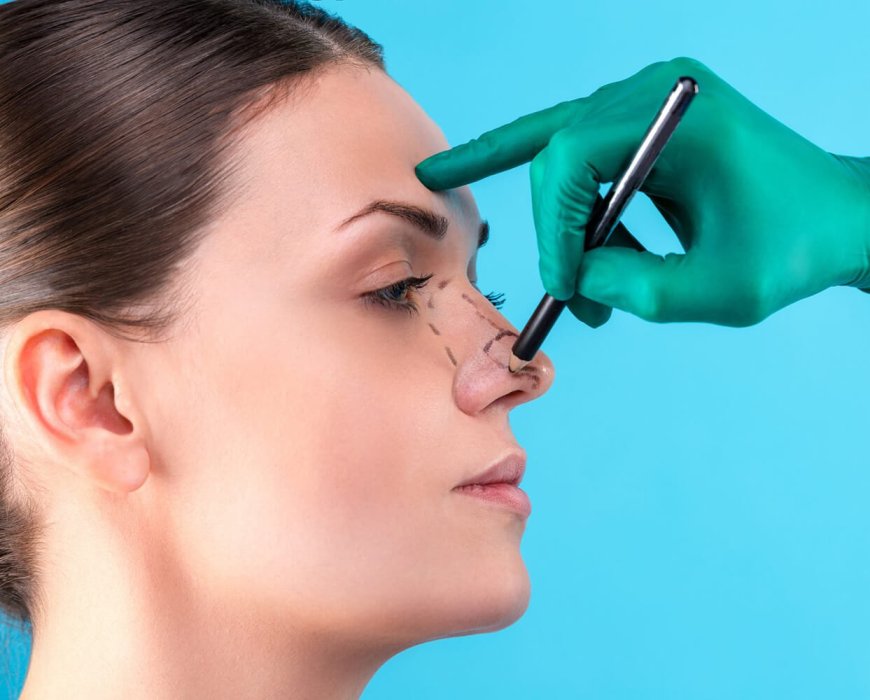
Exercise Restrictions After Rhinoplasty
Introduction
Exercise after rhinoplasty needs careful control because physical activity can directly affect swelling, bleeding risk, and the stability of healing nasal structures. Even though movement is generally beneficial for overall health, the nose requires a protected recovery period where stress and pressure are minimized.
Within the field of Plastic Surgery, postoperative activity guidelines are designed to balance safe healing with gradual return to normal lifestyle. The timing and intensity of exercise restrictions vary depending on surgical complexity, individual healing, and whether additional procedures were performed.
Rhinoplasty in Riyadh is a popular procedure for improving both the appearance and function of the nose.
Why Exercise Restrictions Are Necessary
After rhinoplasty, internal tissues, bone, and cartilage are in a sensitive healing phase. Exercise can interfere with this process in several ways:
- Increases blood pressure, which may trigger bleeding
- Raises heart rate, increasing swelling
- Causes accidental impact risk to the nose
- Delays tissue stabilization
- Worsens bruising and inflammation
Because of these risks, activity must be gradually reintroduced rather than resumed immediately.
Phase 1: Immediate Recovery (Week 1)
What is allowed:
- Very light movement around the house
- Short, slow walking (if comfortable)
What must be avoided:
- Any exercise or physical strain
- Bending forward or lifting objects
- Rapid head movements
- Gym workouts or cardio
Reason:
The nose is most vulnerable during this stage, and swelling is actively increasing. Any rise in blood pressure can worsen bleeding and inflammation.
Phase 2: Early Healing (Weeks 2–3)
What is allowed:
- Light walking outdoors
- Gentle daily activities
- Non-strenuous routine movement
What must still be avoided:
- Running or jogging
- Weight lifting
- Yoga inversions or bending positions
- Contact sports
- Swimming
Reason:
Although external healing begins improving, internal tissues are still fragile and swelling is ongoing.
Phase 3: Moderate Activity Phase (Weeks 3–6)
What is allowed (with caution):
- Light cardio (slow walking, stationary cycling)
- Gradual return to non-strenuous routines
- Gentle stretching (non-facial pressure movements)
Still avoid:
- Heavy weight training
- High-intensity workouts
- Activities that risk facial impact
- Swimming or diving
- Sports with physical contact
Reason:
At this stage, swelling is reducing but nasal structures are still stabilizing. Sudden strain can disrupt healing alignment.
Phase 4: Gradual Return to Exercise (6–8 Weeks)
At this stage, many patients are allowed to slowly resume more normal activity, depending on surgical healing.
Often permitted:
- Moderate cardio workouts
- Controlled strength training (light weights first)
- Non-contact gym exercises
Still to be careful with:
- Heavy lifting
- Sudden intensity increases
- Any activity with risk of falling or collision
Within Plastic Surgery, clearance for exercise is always individualized based on healing progress.
Phase 5: Full Activity (8–12+ Weeks)
Most patients can gradually return to full exercise routines after this period, but caution is still important.
Usually allowed:
- Full gym workouts
- Running and cardio training
- Strength training with heavier weights
- Non-contact sports
Still cautious with:
- Contact sports (football, boxing, martial arts)
- High-impact activities with risk of facial injury
Full internal healing continues beyond this stage, even if external appearance looks normal.
High-Risk Activities to Avoid Longer
Certain activities require extended restriction because they increase risk of nasal injury:
- Boxing or martial arts
- Basketball or football (due to accidental impact)
- Skiing or skateboarding
- Any sport with frequent physical contact
These may be restricted for up to 3–6 months depending on surgeon advice.
What Happens If Exercise Is Done Too Early
Resuming exercise too early can lead to complications such as:
- Increased swelling and prolonged healing
- Nose bleeding or pressure buildup
- Asymmetry due to shifting healing tissues
- Delayed final results
- Risk of structural damage in severe cases
This is why gradual progression is essential.
Safe Ways to Stay Active During Recovery
Even with restrictions, patients can maintain light activity:
- Slow walking indoors or outdoors
- Gentle stretching of arms and legs
- Deep breathing exercises
- Light mobility exercises without strain
These help circulation without stressing the nose.
Signs You Are Overexerting Too Soon
During early recovery, the body gives warning signs if activity is too intense:
- Throbbing sensation in the nose
- Increased swelling after activity
- Dizziness or fatigue
- Mild nose discomfort or pressure
If these occur, activity should be reduced immediately.
Factors That Affect Exercise Timeline
Return to exercise varies depending on:
- Complexity of surgery
- Presence of cartilage grafts
- Individual healing speed
- Skin thickness and swelling tendency
- Whether revision surgery was performed
In the context of Plastic Surgery, recovery protocols are always customized rather than universal.
Conclusion
Exercise after rhinoplasty must be carefully controlled to protect healing tissues and ensure optimal results. While light movement is encouraged early on, strenuous activity should be avoided until the nose has stabilized.
What's Your Reaction?
 Like
0
Like
0
 Dislike
0
Dislike
0
 Love
0
Love
0
 Funny
0
Funny
0
 Angry
0
Angry
0
 Sad
0
Sad
0
 Wow
0
Wow
0