






















Exploring Modern Techniques Used in Beard Hair Transplant in Riyadh
Exploring Modern Techniques Used in Beard Hair Transplant in Riyadh

The Frontier of Facial Aesthetics: Modern Techniques in Riyadh’s Beard Transplantation
In the rapidly evolving landscape of aesthetic medicine in Riyadh, the beard hair transplant has transformed from a experimental procedure into a highly refined, scientifically precise surgical specialty. For the modern man, the beard is no longer just a biological feature; it is an architectural element of the face, capable of conveying strength, professional maturity, and personal style. As the demand for full, sculpted, and natural-looking beards grows, Riyadh’s leading clinics have adopted a suite of advanced techniques that prioritize graft survival, patient comfort, and, most importantly, impeccable aesthetic outcomes.
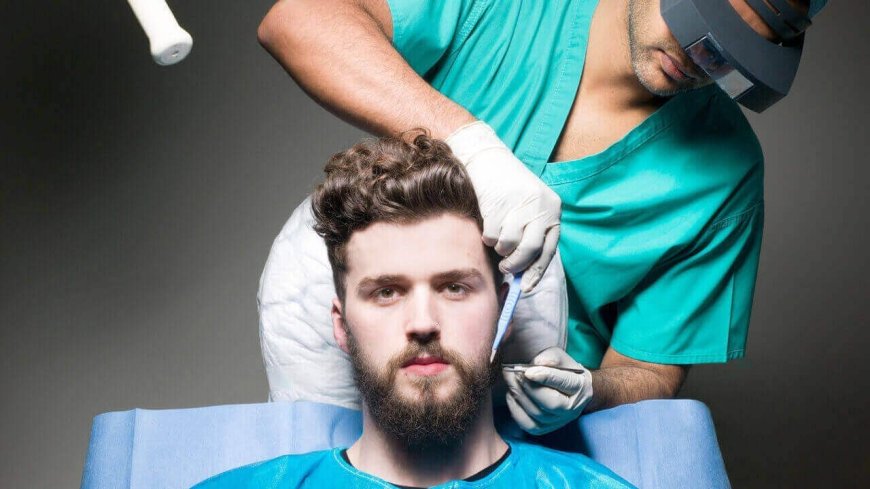
Beard hair transplant in Riyadh is a popular cosmetic procedure designed to help individuals achieve a fuller, denser, and more defined beard appearance.
The Core Shift: From Extraction to Artistry
The foundational shift in modern beard restoration in Riyadh is the move away from outdated, invasive strip-harvesting methods (FUT) toward minimally invasive follicular extraction. The modern standard is defined by two primary techniques: Follicular Unit Extraction (FUE) and Direct Hair Implantation (DHI).
-
Follicular Unit Extraction (FUE): FUE is currently the most widely utilized technique in Riyadh due to its ability to harvest high-quality grafts without the need for a linear incision. Surgeons use a micro-punch—often as small as 0.7mm to 0.9mm—to extract individual follicular units from the "safe donor zone" at the back and sides of the scalp. The precision of these tools ensures that the donor area remains visually unaffected, and the recovery time is dramatically shorter than that of historical methods.
-
Direct Hair Implantation (DHI): DHI represents the pinnacle of current transplant technology. In a traditional FUE procedure, the surgeon creates recipient channels in the beard area, and then grafts are inserted into those channels. In DHI, the surgeon uses a proprietary, pen-like device (the Choi Implanter Pen). This tool allows for the creation of the recipient site and the simultaneous implantation of the follicle in one singular movement. For the beard, this is a game-changer. The DHI pen offers the surgeon unparalleled control over the depth, angle, and direction of each hair, which is critical when attempting to replicate the complex, shifting grain of natural facial hair.
The Precision of "Beard Mapping"
Modern techniques in Riyadh are characterized not just by how the hair is harvested, but by where it is placed. Surgeons in the capital now employ "beard mapping," a sophisticated pre-operative planning phase that considers the patient’s underlying bone structure, jawline, and cheekbone position.
Facial hair does not grow uniformly; it grows in distinct patterns. On the upper cheeks, hair typically grows downward at a relatively sharp angle. On the jawline and neck, the grain shifts to accommodate the curve of the bone. A transplant that does not respect these subtle angular changes will look "pluggy" and synthetic. Modern surgeons in Riyadh utilize advanced magnification and marking tools to map out these growth vectors before the first incision is made. They design a gradient of density, using single-hair grafts at the periphery of the beard line to create a soft, natural fade, and reserve multi-hair, thicker grafts for the center of the goatee and mustache to provide maximum volume.
Enhancing Graft Survival Through Biological Optimization
The success of a transplant is measured by the percentage of grafts that survive after implantation. In Riyadh, leading clinics have implemented rigorous protocols to optimize the biological health of the follicles between extraction and implantation:
-
Nutrient-Rich Storage Solutions: Once harvested, follicular units are placed in chilled, specialized transport solutions. These solutions contain antioxidants, vitamins, and nutrients that mimic the body’s natural environment, preventing the follicles from undergoing "programmed cell death" while waiting for implantation.
-
Reduced Handling: The less a follicle is touched, the higher its chance of thriving. Modern implanter devices minimize the manual handling of grafts, which prevents trauma to the delicate bulb of the follicle. By streamlining the transfer process, surgeons ensure that the graft is integrated into the recipient site in the most pristine state possible.
Innovations in Healing and Recovery
Modern techniques also extend into the post-operative management of the facial skin. Because the face is a high-movement, high-visibility area, the recovery protocol in Riyadh has been refined to be both discreet and effective:
-
Minimally Invasive Healing: Because the micro-punches used in FUE and DHI are so small, the recipient sites close rapidly. Many patients are surprised to find that the redness and swelling, which once lasted weeks, now resolve in a matter of days.
-
Bio-Stimulation: Many clinics now offer follow-up bio-stimulation therapies, such as Platelet-Rich Plasma (PRP) therapy, to accelerate healing. PRP involves injecting the patient’s own concentrated growth factors into the transplant site. This stimulates the local blood supply, encourages rapid healing of the incisions, and provides a "nutrient boost" to the newly implanted follicles, which can help jumpstart the growth cycle.
Addressing the Challenges of Facial Anatomy
Facial skin is thinner and more vascularized than scalp skin. Furthermore, it is constantly subjected to the mechanical forces of speech, eating, and facial expressions. Modern techniques in Riyadh are specifically designed to address these challenges:
-
Angled Implantation: Surgeons use specialized blades or pens to ensure that the follicles are seated at the precise 15-to-30-degree angle required to make facial hair lie flat against the skin. This prevents the hair from "standing up" or growing outward, which is the most common giveaway of an improperly performed transplant.
-
Strategic Density: By using high-resolution digital tools to calculate the required density, surgeons can achieve a "natural density" that looks thick enough to be aesthetically pleasing but remains thin enough to be supported by the facial skin’s vascular network.
The Role of the Surgeon as an Artist
Ultimately, the most important "technique" in Riyadh is the expertise of the surgeon. The shift toward modern methods has allowed the surgeon to step away from being a mere technician and become a sculptor. They understand that a beard is a permanent aesthetic feature that must look as natural at age 50 as it does at age 30. They use the variables of hair caliber, color variation, and growth angle to "paint" a result that looks entirely native.
Conclusion: The Future of Facial Restoration
The landscape of beard transplantation in Riyadh is defined by a commitment to perfection. Through the combined power of FUE and DHI, the strategic use of beard mapping, and the integration of biological optimization, patients can now achieve results that were once considered impossible. These modern techniques have removed the guesswork, the visible scarring, and the long recovery times that once discouraged men from seeking restoration. By choosing a clinic that prioritizes these cutting-edge, minimally invasive methods, men in Riyadh can secure a permanent, natural-looking, and expertly crafted beard—an investment that defines their aesthetic identity for a lifetime.
What's Your Reaction?
 Like
0
Like
0
 Dislike
0
Dislike
0
 Love
0
Love
0
 Funny
0
Funny
0
 Angry
0
Angry
0
 Sad
0
Sad
0
 Wow
0
Wow
0