








10 Electrical Safety Tips Every Elizabeth Homeowner Should Know
Electrical safety starts with simple actions around the home. Checking power cords, avoiding overloaded outlets, keeping electricity away from water, testing safety switches and responding to warning signs can help homeowners maintain a safer electrical environment. When a fault requires professional attention, using a qualified electrician can help ensure the work is carried out appropriately.

Electrical systems make everyday life easier, from powering kitchen appliances and lighting to running heating, cooling and entertainment equipment. However, electrical faults, damaged wiring and unsafe practices can create serious risks inside a home. Knowing a few basic safety measures can help homeowners identify potential problems early and use electrical equipment more carefully.
For larger electrical work, repairs or installations, it is important to use a qualified professional. Whether the property is in Elizabeth or a nearby suburb, understanding common electrical safety practices can help protect the household and the property.
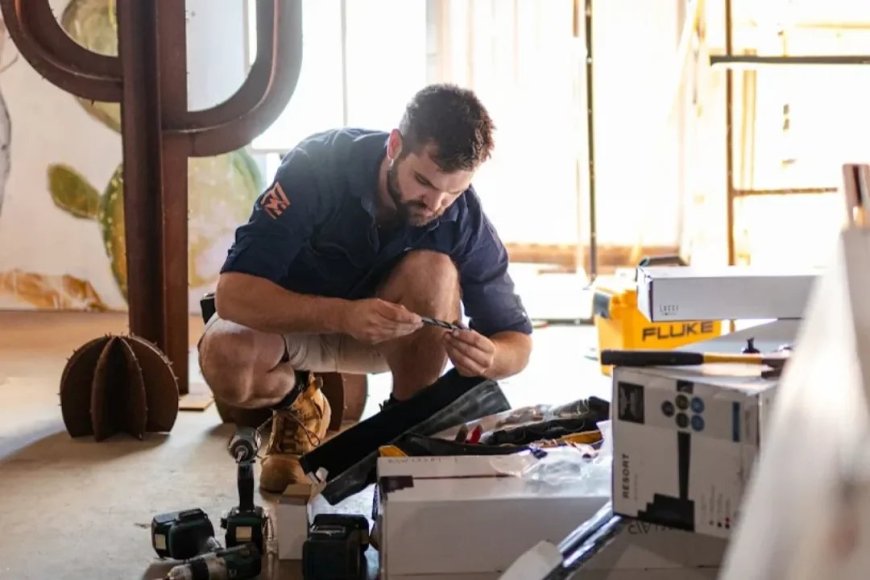
Here are 10 electrical safety tips every Elizabeth homeowner should know.
1. Check Power Cords for Damage
Power cords can become worn, cracked or damaged through regular use. Frayed insulation, exposed wires, burn marks or loose plugs should never be ignored. Damaged cords can increase the risk of electric shock or fire.
Check cords on appliances, extension leads, power boards and other frequently used equipment. If a cord appears damaged, stop using the item until it has been properly repaired or replaced.
Avoid placing electrical cords underneath rugs, carpets or heavy furniture where they can become damaged without being noticed.
2. Avoid Overloading Power Points
Power points are designed to handle a specific electrical load. Connecting too many appliances to one outlet can place unnecessary pressure on the electrical system.
Be particularly careful when using power boards and double adaptors. High-powered appliances such as heaters, ovens and other large electrical equipment may require dedicated connections.
If you regularly need several power points in the same area, an electrician can assess the existing setup and determine whether additional outlets or other electrical work are appropriate.
3. Keep Electrical Equipment Away from Water
Water and electricity are a dangerous combination. Keep appliances, cords and electrical connections away from sinks, baths, showers and other wet areas.
Never handle electrical equipment with wet hands, particularly when connecting or disconnecting a plug. Outdoor electrical equipment should also be suitable for outdoor conditions and protected from moisture.
If an electrical appliance falls into water, do not reach into the water to retrieve it. Turn off the power safely first and seek professional assistance if necessary.
4. Pay Attention to Flickering Lights
Flickering or dimming lights can sometimes indicate an electrical issue. While a faulty globe may be responsible, repeated flickering can also point to a loose connection, overloaded circuit or another problem.
Homeowners should avoid repeatedly replacing globes without investigating why the issue continues. If several lights are affected or the problem keeps returning, arrange an electrical inspection.
A qualified Electrician Elizabeth can assess the electrical system and identify possible causes of recurring lighting problems.
5. Test Safety Switches Regularly
Safety switches are designed to help protect people from electric shock by switching off electricity when an electrical fault is detected.
Homeowners should know where the safety switches are located in the switchboard and follow the manufacturer's or electrician's guidance for testing them.
If a safety switch does not operate correctly during a test, professional attention should be arranged. Never attempt to modify or repair a switchboard yourself.
6. Keep the Switchboard Clear and Accessible
The switchboard should remain easy to access in case power needs to be switched off during an electrical emergency. Do not place boxes, furniture, gardening equipment or other items directly in front of it.
Watch for warning signs such as burning smells, unusual buzzing sounds, scorch marks or switches that repeatedly trip.
A switchboard that frequently trips may be responding to an electrical fault or overloaded circuit. Rather than repeatedly resetting it without finding the cause, have the problem checked by a qualified electrician.
7. Be Careful with Extension Leads
Extension leads are useful when a power point is not located close to an appliance, but they should not become a permanent substitute for suitable electrical outlets.
Avoid connecting one extension lead into another. Do not use damaged leads, and keep them away from areas where they can be crushed, cut or exposed to water.
Outdoor extension leads should be designed for outdoor use. When a room regularly requires extension leads, consider whether additional power points would provide a safer and more practical solution.
8. Never Attempt Complex Electrical Repairs Yourself
Simple household tasks can sometimes appear easy, but electrical repairs and installations can involve significant risks. Working inside a switchboard, changing fixed wiring or installing electrical equipment should be handled by a licensed electrician.
DIY electrical work can also create problems that may not be immediately visible. Incorrect connections can damage appliances, cause electrical faults or create safety hazards.
For properties around Brahma Lodge, a qualified Electrician Brahma Lodge can assist with electrical repairs, installations, inspections and other work that requires professional knowledge.
9. Use Appliances According to Their Instructions
Every electrical appliance has specific operating and safety requirements. Read the manufacturer's instructions before using unfamiliar equipment, particularly heaters, portable air conditioners, kitchen appliances and outdoor electrical products.
Do not operate appliances that show signs of overheating, smoke, burning smells or unusual noises. These warning signs may indicate an internal fault.
Keep appliances clean and properly ventilated where required. Do not cover equipment that needs airflow to operate safely.
10. Arrange Electrical Inspections When Problems Keep Returning
Repeated electrical problems should not simply be treated as minor inconveniences. Frequent circuit trips, flickering lights, warm outlets, unusual smells and buzzing sounds can all indicate that something needs attention.
An electrical inspection can help identify problems before they become more serious. Older homes may also benefit from an assessment of wiring, switchboards, outlets and other electrical components.
For homeowners in the wider Gawler area, an experienced Electrician Gawler can assess electrical concerns and recommend appropriate repairs or upgrades based on the condition of the property.
Why Electrical Safety Matters at Home
Electrical safety is not only about responding to obvious faults. Regularly checking cords, using power points correctly and paying attention to unusual electrical behaviour can help homeowners recognise problems sooner.
It is also useful for every adult in the household to know where the main switchboard is located and understand how to respond if the power needs to be turned off. Children should be taught not to insert objects into power points or play with electrical cords and appliances.
Professional assistance should be sought whenever an electrical problem involves fixed wiring, switchboards or other work that requires a licensed electrician.
Simple Habits Can Make a Difference
Many electrical safety problems can be avoided by developing good habits. Keep cords in good condition, avoid overloading outlets, protect electrical equipment from water and investigate repeated faults instead of ignoring them.
Homeowners should also avoid using damaged appliances simply because they still appear to work. Electrical faults are not always visible, and continuing to use faulty equipment can increase the potential risk.
When an electrical issue is beyond a basic household check, getting professional advice is a sensible step. Feltus Electrical can assist homeowners with electrical services and help address electrical concerns around Elizabeth and surrounding areas.
Frequently Asked Questions
How often should electrical systems be checked?
The appropriate inspection frequency depends on the age, condition and use of the property. Homeowners should arrange an inspection when they notice recurring electrical faults, damaged components or other warning signs.
Why does my safety switch keep tripping?
A safety switch may trip when it detects an electrical fault. Faulty appliances, damaged wiring or other electrical problems can be possible causes. If it keeps happening, the cause should be professionally investigated.
Is it safe to use a damaged power cord?
No. A damaged or frayed power cord can create an electric shock or fire risk. Stop using the equipment and have the cord or appliance properly repaired or replaced.
Should I try to repair electrical wiring myself?
Electrical wiring and other fixed electrical work should be handled by a licensed electrician. Attempting complex electrical repairs without the required knowledge and licensing can create serious safety risks.
What are signs of an electrical problem?
Common warning signs include flickering lights, repeated circuit trips, burning smells, buzzing sounds, warm outlets, damaged cords and unexplained power interruptions. These issues should be investigated rather than ignored.
Conclusion
Electrical safety starts with simple actions around the home. Checking power cords, avoiding overloaded outlets, keeping electricity away from water, testing safety switches and responding to warning signs can help homeowners maintain a safer electrical environment. When a fault requires professional attention, using a qualified electrician can help ensure the work is carried out appropriately. For electrical assistance in Elizabeth and surrounding areas, Feltus Electrical provides services for homeowners who need support with electrical repairs, installations and safety concerns.
What's Your Reaction?
 Like
0
 Dislike
0
 Love
0
 Funny
0
 Angry
0
 Sad
0
 Wow
0