
















Fiber Laser Cleaning Machine Improve Modern Surface Preparation
A fiber laser cleaning machine offers a controlled approach to removing rust, paint, oil, oxidation, and other unwanted materials from many industrial surfaces

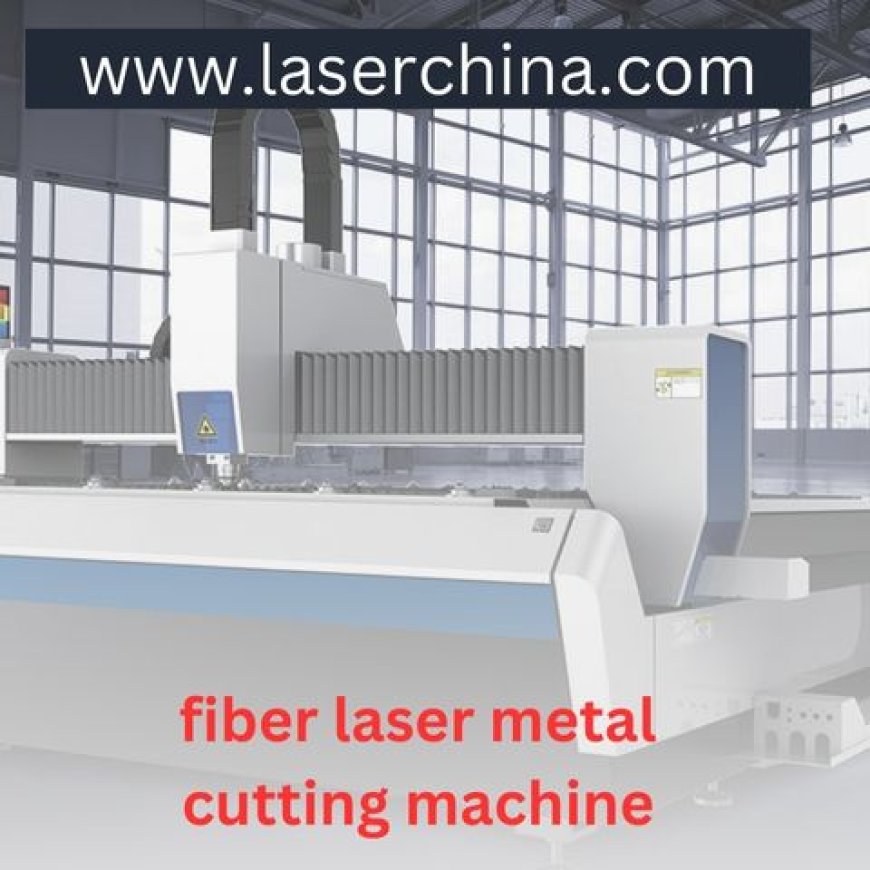
Surface preparation plays an important role in manufacturing, maintenance, restoration, and metalworking. Removing rust, paint, oil, oxidation, and other unwanted materials from a surface can require considerable time when conventional cleaning methods are used. A fiber laser cleaning machine provides a modern approach by using concentrated laser energy to remove contaminants from a target surface with controlled precision.
As industries continue to look for cleaner and more efficient production methods, laser cleaning is becoming increasingly relevant for workshops, factories, automotive operations, metal fabrication businesses, and restoration projects. Understanding how this technology works and where it can be used helps businesses select the right cleaning solution for their applications.
What Is a Fiber Laser Cleaning Machine?
A fiber laser cleaning machine is an industrial cleaning system that uses a fiber laser source to remove unwanted materials from a surface. Instead of relying on abrasive particles, chemical solutions, or mechanical contact, the machine directs a controlled laser beam toward the contamination.
When the laser energy reaches the surface, contaminants such as rust, paint, grease, oil, oxide layers, and other residues absorb the energy. Depending on the material and selected settings, the contamination can be removed through vaporization, thermal expansion, or controlled separation from the underlying surface.
The process can be adjusted according to the material being cleaned. This makes laser cleaning suitable for many industrial applications where surface condition and precision are important.
How Does Laser Cleaning Work?
The cleaning process begins when the operator selects suitable parameters for the material and contamination. Laser power, scanning speed, frequency, and other settings can be adjusted according to the application.
The laser head directs the beam across the contaminated area. The unwanted layer absorbs the laser energy more readily than the underlying material under properly selected conditions. This difference allows the contamination to be separated from the surface.
For example, rust on steel can absorb laser energy and break away from the metal underneath. Similarly, paint or oxide layers can be treated without requiring physical scraping.
A suitable extraction or ventilation system can then be used to manage the particles and fumes generated during cleaning. Proper workplace safety procedures remain important throughout the process.
Cleaning Rust From Metal Surfaces
Rust removal is one of the most recognized applications for a fiber laser cleaning machine. Steel structures, machine components, automotive parts, tools, molds, and fabricated metal products can develop oxidation during storage, transportation, or regular use.
Traditional rust removal may involve grinding, wire brushing, blasting, or chemical treatment. These approaches can require additional consumables and may affect the surface if excessive mechanical force or abrasive material is used.
Laser cleaning allows operators to target rust with a controlled beam. With appropriate settings, the oxidation layer can be removed while maintaining the condition of the underlying metal.
This makes the technology useful for workshops that regularly prepare metal components before painting, welding, coating, inspection, or further manufacturing.
Removing Paint and Coatings
Old paint and protective coatings can also be removed using laser technology. This can be particularly useful when a component needs to be refurbished, repaired, inspected, or recoated.
A fiber laser cleaning machine can scan across painted areas and gradually remove the coating. Operators can adjust the process according to coating thickness, material type, and surface condition.
For industrial maintenance, this approach can help prepare specific sections of a component without necessarily treating the entire surrounding area. Controlled cleaning is particularly valuable when working with components that require careful handling.
Surface Preparation Before Welding
Clean surfaces are essential for many welding processes. Oil, rust, paint, oxidation, and other residues can interfere with welding quality and create additional preparation work.
Laser cleaning can be used before welding to prepare metal surfaces. By removing unwanted contamination from the welding area, operators can establish a cleaner working surface before beginning the welding process.
This application is relevant to metal fabrication shops, automotive workshops, machinery manufacturers, and businesses involved in industrial equipment repair.
For businesses already using laser welding systems, adding laser cleaning to the production process can create a more integrated approach to surface preparation.
Cleaning Industrial Components
Industrial equipment frequently accumulates grease, oil, carbon deposits, oxidation, and other contaminants. Components may need to be cleaned during scheduled maintenance or before repair.
A fiber laser cleaning machine can be used for localized treatment of machine parts, tools, molds, gears, fixtures, and other metal components. The operator can guide the laser over the required area without physically contacting the surface.
This makes laser cleaning suitable for maintenance tasks where controlled treatment is required. Different cleaning requirements can be addressed by adjusting the machine parameters according to the material and contamination.
Applications in Automotive Work
Automotive manufacturing and repair involve many metal components that require cleaning and preparation. Engine parts, brake components, molds, tools, chassis sections, and other metallic surfaces may collect rust, paint, grease, or carbon deposits.
Laser cleaning can provide a controlled method for preparing these components. It can also be useful when restoring older automotive parts where maintaining the original surface condition is important.
Workshops can use handheld laser cleaning equipment for targeted applications, while larger industrial operations may select automated systems for repetitive production tasks.
Mold and Tool Cleaning
Molds and industrial tools can accumulate residues after repeated production cycles. Removing these deposits is important for maintaining consistent manufacturing conditions.
Laser cleaning can treat mold surfaces without requiring direct mechanical contact. Operators can work around detailed areas and difficult sections with appropriate laser settings and scanning techniques.
This application is particularly relevant to manufacturers working with injection molds, forming tools, casting equipment, and other industrial tooling.
Choosing the Right Cleaning System
Different applications require different machine configurations. Before purchasing equipment, businesses should consider the type of material, contamination, cleaning area, required working speed, and frequency of use.
Laser power is an important consideration. Lower-power systems may be appropriate for lighter cleaning and detailed work, while higher-power equipment can be selected for heavier rust, paint, or industrial contamination.
The laser source, cleaning head, control system, mobility, and available operating modes should also be evaluated. A handheld configuration can be practical for maintenance and varied components, whereas automated systems may be appropriate for repetitive production environments.
It is also important to confirm that the equipment supplier can provide technical guidance, operating instructions, maintenance support, and appropriate safety information.
Operating a Fiber Laser Cleaning Machine
Successful laser cleaning depends on selecting appropriate settings for each application. Operators should begin with suitable parameters and test the process on a small area whenever possible.
The working distance, scanning movement, laser power, frequency, and speed can influence the final result. Excessive energy or unsuitable settings may affect the substrate, while insufficient energy may leave contamination behind.
Operators should also use the protective equipment and safety procedures specified for the particular laser system. Laser radiation can present serious hazards, so appropriate laser safety controls, protective eyewear, enclosed work areas where required, ventilation, and trained operation are essential.
Where Fiber Laser Cleaning Is Heading
As manufacturing processes become more precise, surface preparation is also becoming more controlled. Laser cleaning technology continues to attract attention because it can be integrated into industrial workflows involving welding, coating, maintenance, restoration, and manufacturing.
Modern systems are available in different power levels and configurations, allowing businesses to select equipment according to their production requirements. Improvements in control systems and automation are also making laser-based surface treatment increasingly adaptable to industrial environments.
Final Thoughts
A fiber laser cleaning machine offers a controlled approach to removing rust, paint, oil, oxidation, and other unwanted materials from many industrial surfaces. From metal fabrication and automotive maintenance to mold cleaning and welding preparation, its applications cover a wide range of modern production and maintenance requirements.
What's Your Reaction?
 Like
0
 Dislike
0
 Love
0
 Funny
0
 Angry
0
 Sad
0
 Wow
0




