

















How to Find a Mentor Who Fits Your Goals and Learning Style
If you're planning to find a mentor, taking a thoughtful approach can help you build a relationship that is useful for both sides.

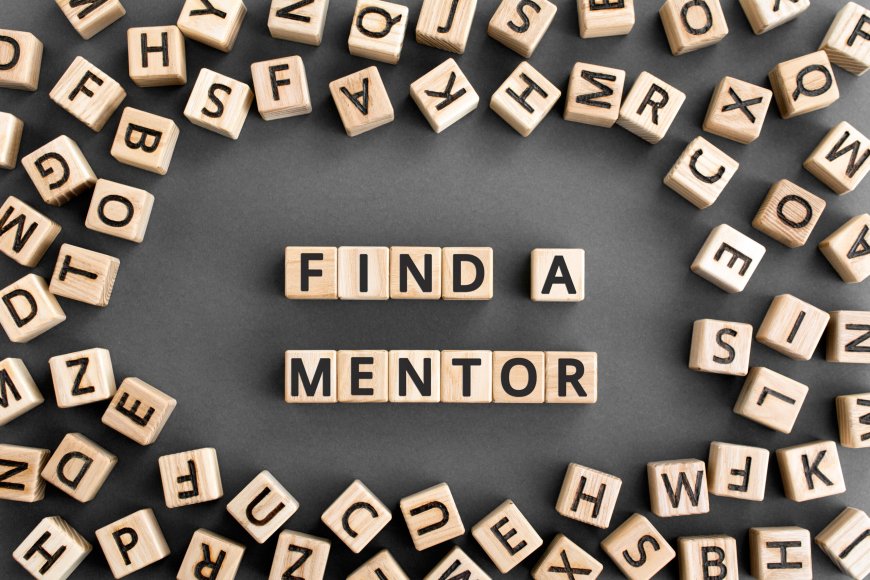
Having access to the right guidance can make a major difference when you're learning something new or working toward an important goal. A mentor can share practical experience, introduce new perspectives, and help you think through challenges that may otherwise feel difficult to navigate.
However, finding a mentor isn't simply about choosing someone with an impressive background. The most useful mentoring relationship is usually one where the mentor's experience and communication style fit the mentee's needs.
If you're planning to find a mentor, taking a thoughtful approach can help you build a relationship that is useful for both sides.
Start by Defining Your Goal
Before searching for a mentor, ask yourself what you actually want to accomplish.
You might want guidance with:
- Starting a new career
- Developing professional skills
- Launching a business
- Improving leadership abilities
- Choosing an educational path
- Learning a specific skill
- Building confidence
- Navigating a major transition
- Developing personal goals
Your goal doesn't need to be extremely specific.
Even saying, "I want to understand what it takes to work in this industry," gives you a starting point for identifying the kind of experience you should look for.
Look for Relevant Experience
One common mistake is choosing a mentor based entirely on reputation.
A person may have an impressive résumé but still not be the right mentor for your situation.
Instead, consider whether their experience relates to your goals.
For example, someone interested in entrepreneurship might benefit from speaking with a business owner who has dealt with the challenges of building a company. Someone considering a career change could learn from a professional who has successfully made a similar transition.
Relevant experience allows conversations to become practical rather than purely theoretical.
Think About the Mentor's Communication Style
People learn differently.
Some prefer structured conversations with clear objectives, while others enjoy informal discussions and open-ended questions.
Before establishing a regular mentoring relationship, consider how the potential mentor communicates.
Do they listen carefully? Do they explain ideas clearly? Are they comfortable answering questions? Do they encourage discussion?
A mentor who communicates in a way that matches your learning style can make the relationship more productive.
Consider Shared Interests and Values
Shared interests can provide a natural foundation for mentorship.
For example, someone interested in technology may want to connect with a technology professional. An aspiring entrepreneur may prefer someone with business experience.
In some situations, shared values may also be important.
A mentee may want guidance from someone who understands their cultural, religious, professional, or personal perspective.
These similarities aren't mandatory, but they can sometimes make conversations easier and more meaningful.
Ask What the Mentor Expects
Mentorship works best when both people understand what they're agreeing to.
Ask potential mentors about their expectations before beginning a long-term relationship.
Questions might include:
- How often would you like to communicate?
- What types of topics are you comfortable discussing?
- Do you prefer scheduled meetings or informal conversations?
- What do you expect from a mentee?
- How much time can you realistically dedicate to mentoring?
These questions can prevent misunderstandings and help establish healthy boundaries.
Start With a Conversation
You don't need to make the first interaction complicated.
A simple introduction can be enough.
Explain who you are, what you're working toward, and why you thought their experience might be relevant.
For example:
"I'm currently developing my career in digital marketing and noticed that you have experience in this area. I'd appreciate the opportunity to learn from your experience."
A respectful and specific introduction is usually more useful than a generic request for advice.
Learn to Ask Better Questions
The quality of a mentoring conversation often depends on the questions being asked.
Instead of asking:
"How can I become successful?"
try something more specific:
"What skills helped you progress early in your career?"
or:
"What mistakes did you make when you first entered this industry?"
Specific questions give mentors something concrete to respond to and can lead to more useful conversations.
Don't Expect Immediate Answers to Everything
A mentor's experience can provide valuable insight, but it doesn't mean they will have a solution to every problem.
Your circumstances may be different from theirs.
Use their advice as one source of information. Consider how it applies to your own situation, research other perspectives when appropriate, and make your own decisions.
A healthy mentoring relationship encourages learning rather than dependence.
Online Mentorship Expands Your Options
Geography no longer needs to be a major barrier to finding relevant guidance.
Online mentoring allows people to connect across cities and countries through video calls, email, messaging, and dedicated platforms.
This can be especially useful when your local community has few people with experience in the specific area you're interested in.
Online platforms can also make it easier to search according to particular interests and goals.
Consider Group Mentorship
Some people learn best through one-to-one conversations, while others benefit from hearing several perspectives.
Mastermind groups provide an alternative approach. Members can discuss challenges, share experiences, exchange ideas, and support one another while working toward related objectives.
For someone who wants collaborative learning alongside individual guidance, mastermind groups can be another option to explore.
Be Prepared to Give Back
Although mentorship is generally focused on the mentee's development, the relationship shouldn't be treated as a one-way transaction.
Respect your mentor's time. Come prepared for conversations. Follow through when you commit to something.
You can also share your own experiences and perspectives when appropriate.
Everyone has something to contribute, regardless of their level of experience.
Know When to Adjust the Relationship
Not every mentor-mentee relationship will work perfectly.
Sometimes goals change. Sometimes communication styles don't match. Sometimes the relationship simply doesn't develop naturally.
That's okay.
You can evaluate what you're learning and determine whether the current arrangement continues to make sense.
A mentoring relationship may also change over time. Someone who initially helps with career development may later become a source of guidance in leadership or another area.
Mentorship Is a Long-Term Learning Process
Finding a mentor shouldn't be viewed as finding someone who will solve all your problems.
Instead, think of mentorship as an ongoing learning process.
You bring your questions, goals, challenges, and effort. Your mentor contributes experience, perspective, and feedback.
Over time, those conversations can help you recognize patterns, understand your options, and become more confident in your own decision-making.
Final Thoughts
The process to find a mentor starts with understanding yourself.
Know what you want to learn, identify the type of experience that could help, and look for someone whose communication style and expectations fit your needs.
Don't focus exclusively on titles or achievements. Look for relevance, trust, communication, and a willingness to share experience.
Most importantly, remember that a mentor's role is to guide rather than make decisions for you. The strongest mentoring relationships help people develop the knowledge and confidence to eventually navigate challenges more independently.
With the right expectations and an open approach to learning, mentorship can become a valuable part of both personal and professional development.
What's Your Reaction?
 Like
0
 Dislike
0
 Love
0
 Funny
0
 Angry
0
 Sad
0
 Wow
0