











Can FUE Hair Transplant in Dubai Preserve Donor Density During Extraction
Learn how FUE Hair Transplant in Dubai can be planned around donor density, follicular-unit selection, extraction spacing, and long-term hair restoration.
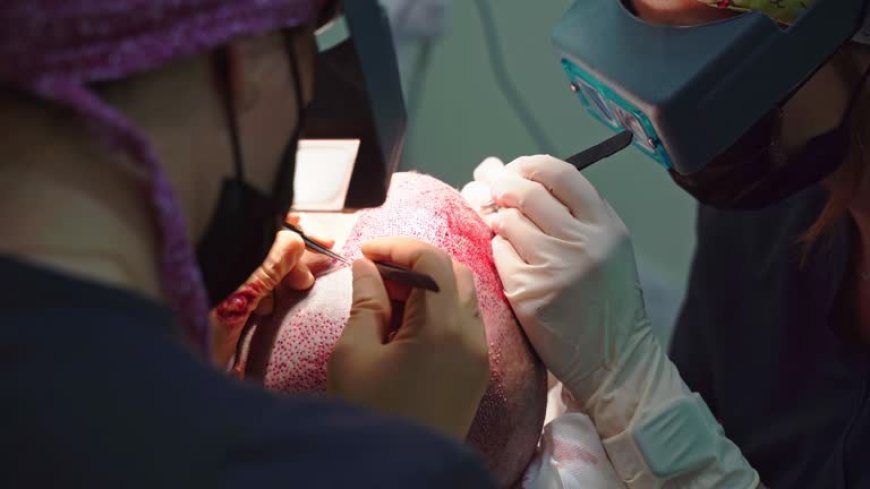
A successful transplant is not only about how many grafts are moved; it is also about how carefully the donor area is managed during extraction. FUE Hair Transplant in Dubai can be planned around donor density, follicular-unit distribution, extraction spacing, and the long-term reserve needed to maintain a natural appearance after transplantation.
Why Donor Density Matters in FUE Hair Transplant in Dubai
The donor region, usually located toward the back and sides of the scalp, is the biological source of grafts used to restore thinning or bald recipient areas. Once a follicular unit is removed, it cannot be harvested again from that exact location.
Donor Density Is More Than a Hair Count
A donor area should be evaluated according to both follicular density and the composition of individual follicular units. Some units contain a single hair, while others contain multiple hairs, creating different graft characteristics across the scalp.
A dense donor area may therefore provide a different restoration potential from an area that looks equally full but contains fewer multi-hair units.
The Safe Donor Zone Matters
Not every hair on the sides or back of the scalp should automatically be considered suitable for extraction. The long-term stability of the donor region should be assessed before deciding where grafts can safely be harvested.
Donor Planning Is a Long-Term Decision
The recipient area is visible immediately, but the donor area remains part of the patient's appearance for life. Excessive or poorly distributed extraction can make the back or sides appear thinner even when the transplanted area looks satisfactory.
How FUE Hair Transplant in Dubai Uses Controlled Extraction
FUE involves removing individual follicular units using a small punch rather than removing a linear strip of scalp. The procedure described by Tajmeels involves donor-area harvesting with a micro-punch followed by preparation and implantation of selected grafts into recipient sites.
Selecting Individual Follicular Units
The extraction process should account for the quality and structure of each available graft. Selecting suitable units helps balance the immediate restoration requirement with preservation of the donor reserve.
Maintaining Extraction Spacing
Removing neighboring follicles too aggressively can create visible reductions in donor density. Strategic spacing distributes extraction across the donor region rather than concentrating the impact in one small area.
Controlling Punch Placement
The direction of the punch should correspond to the orientation of the follicular unit beneath the skin. Poor alignment can increase the risk of transecting follicles, reducing the number of usable grafts obtained from the donor area.
What Determines Donor Preservation During FUE
Several variables influence how the donor area looks after extraction. These factors need to be considered together rather than relying on graft numbers alone.
| Donor consideration | Why it matters | Planning objective |
|---|---|---|
| Follicular density | Determines available harvesting reserve | Identify areas with adequate density |
| Follicular-unit composition | Multi-hair units can provide greater coverage | Select grafts according to recipient needs |
| Hair caliber | Thick shafts provide stronger visual coverage | Preserve valuable donor characteristics |
| Extraction distribution | Concentrated harvesting can create visible thinning | Spread extraction appropriately |
| Punch alignment | Poor alignment can damage follicles | Follow follicular direction |
| Donor stability | Some areas may be less suitable for permanent harvesting | Stay within an appropriate donor zone |
| Future hair loss | Native donor and recipient hair can change over time | Reserve grafts for long-term planning |
This is why a donor assessment should precede decisions about how many grafts to extract.
Can FUE Hair Transplant in Dubai Preserve a Natural-Looking Donor Area
Yes, donor preservation can be incorporated into the surgical plan, but it depends on appropriate patient selection, extraction technique, graft requirements, and the characteristics of the donor scalp.
Avoiding Overconcentration
When too many grafts are removed from one small section, the remaining hairs have less surrounding density to camouflage the extraction sites. A distributed approach can help maintain a more uniform appearance.
Respecting Follicular Anatomy
Follicles do not all grow at identical angles beneath the scalp. Understanding their direction helps the surgeon position the punch appropriately and minimize unnecessary follicular injury.
Considering Hair Characteristics
Curly, tightly angled, very fine, or unusual follicular structures can affect extraction planning. The extraction approach should account for the patient's individual anatomy rather than assuming every donor scalp behaves identically.
Patients researching broader hair restoration treatment in Dubai can use donor assessment as one of the key factors when comparing surgical approaches.
Why Graft Selection Should Match the Recipient Area
Donor preservation and recipient planning are directly connected. The type of graft selected can influence how efficiently available donor follicles are used.
Hairline Restoration
The frontal hairline generally benefits from careful use of smaller follicular units and precise placement. Using larger multi-hair grafts indiscriminately along the leading edge can compromise the visual transition between transplanted and native hair.
Mid-Scalp Coverage
The mid-scalp can require a different combination of graft characteristics because the goal is often to create coverage behind the frontal transition rather than simply recreate a fine hairline.
Crown Reconstruction
The crown has a radial or whorl-based growth pattern. Graft placement needs to follow the natural direction of surrounding hair so that transplanted follicles integrate visually rather than forming an artificial pattern.
What Happens When Donor Extraction Is Poorly Planned
FUE is minimally invasive compared with strip harvesting, but minimally invasive does not mean that donor planning is unnecessary.
Visible Donor Depletion
Excessive extraction can reduce the density of the back or sides. The change may become more noticeable with short hairstyles or under strong overhead lighting.
Reduced Options for Future Restoration
Hair loss can continue in untreated areas. If a large proportion of the donor reserve is used during an initial procedure, fewer options may remain if another restoration becomes necessary later.
Uneven Donor Appearance
Extraction concentrated in one region can create differences in density between neighboring areas. Maintaining a balanced extraction pattern is therefore part of aesthetic donor management.
Dubai Factors That Make Donor Aftercare Important
The Dubai environment creates practical considerations during the early recovery period. The clinic's FUE guidance includes avoiding strenuous activity, protecting the treated scalp, and following prescribed post-procedure care.
Desert Heat and Perspiration
High temperatures can increase sweating during the early recovery period. Patients should follow the surgeon's instructions regarding activity, scalp cleansing, and exposure rather than returning immediately to intense outdoor routines.
Strong Sun Exposure
Direct sunlight can be particularly uncomfortable when the scalp has recently undergone extraction and implantation. Limiting direct exposure during the initial healing period is an important part of protecting the treated area.
Air-Conditioned Interiors
Dubai's frequent transition between outdoor heat and heavily air-conditioned interiors can affect scalp comfort. Keeping the recovery environment clean and following the prescribed scalp-care routine is more important than attempting to compensate with multiple cosmetic products.
How Donor Density Should Be Evaluated Before FUE
A high-quality consultation should examine the donor region before deciding how many grafts can reasonably be harvested.
Measure the Available Reserve
The clinician should assess density across relevant donor zones rather than judging the donor area from one small section. This establishes a more realistic picture of available follicular resources.
Examine Hair Caliber and Unit Structure
Hair thickness and follicular-unit composition affect the visual contribution of each graft. Two patients with similar donor density can have different restoration potential because their graft composition differs.
Compare Donor Supply With Recipient Demand
The amount of hair needed to restore the frontal scalp, crown, or larger thinning area should be considered alongside the available donor reserve. This prevents the recipient goal from being planned independently of donor limitations.
When FUE May Need a Different Strategy
FUE can be highly useful for many patterns of hair loss, but it is not automatically the right technique for every degree of baldness.
Limited Donor Supply
When donor density is low, extraction must be especially conservative. The restoration plan may need to prioritize the most visually important areas rather than attempting complete coverage.
Extensive Recipient Area
Large areas of baldness require substantial graft resources. A surgeon may need to discuss staged restoration or alternative techniques when the donor reserve cannot safely support the entire recipient area.
Continuing Native-Hair Loss
Transplanted follicles may remain stable while surrounding native hairs continue to thin. Long-term planning should therefore account for the possibility that the appearance of the recipient area will change as non-transplanted hair ages.
Questions About Donor Preservation in FUE
Can FUE damage the donor area?
Any surgical extraction carries a possibility of follicular injury or visible donor changes. Appropriate donor mapping, punch selection, extraction distribution, and surgical technique are important for minimizing unnecessary damage.
Does FUE remove hair permanently from the donor area?
Yes. Extracted follicular units are removed from their original locations, which is why donor harvesting must be planned carefully.
Can too many grafts be taken from one area?
Yes. Concentrated extraction can create visible density reduction and should be avoided through appropriate distribution and donor planning.
Does high donor density guarantee enough grafts for full coverage?
No. Donor quality, follicular-unit composition, recipient size, hair caliber, and long-term preservation all influence the restoration plan.
What Patients in Dubai Should Do Before Choosing FUE
A successful FUE plan starts before the first graft is extracted. Patients should focus on whether the proposed strategy protects both the immediate result and the remaining donor reserve.
Start With Donor and Recipient Mapping
The surgeon should evaluate the donor region alongside the areas requiring restoration. This provides a clearer understanding of how available follicles can be distributed.
Ask How Donor Density Will Be Preserved
Patients should understand which donor zones are being selected, how extraction will be distributed, and how the remaining donor area will be protected.
Establish a Long-Term Restoration Strategy
The consultation should consider current hair loss as well as possible future progression. A conservative first procedure can preserve options for later treatment when additional grafts may become necessary.
Plan Recovery Around Dubai's Climate
Arrange the early recovery period so that intense outdoor heat, strenuous exercise, direct sun exposure, and activities that increase scalp sweating can be minimized according to the surgeon's instructions.
The Strategic Investment
The quality of an FUE result depends not only on the hair placed into the recipient area but also on how responsibly the donor reserve is managed. For patients seeking a detailed assessment of follicular density, extraction planning, and long-term restoration potential, Tajmeels Clinic can provide a structured consultation focused on preserving donor resources while designing a natural-looking restoration plan.
What's Your Reaction?
 Like
0
 Dislike
0
 Love
0
 Funny
0
 Angry
0
 Sad
0
 Wow
0