














How Window Tint Laws Affect Your Car Tint Choice in Georgia
Learn how Georgia window tint laws, VLT, factory glass, and window-specific requirements affect your car tint choice before installation.

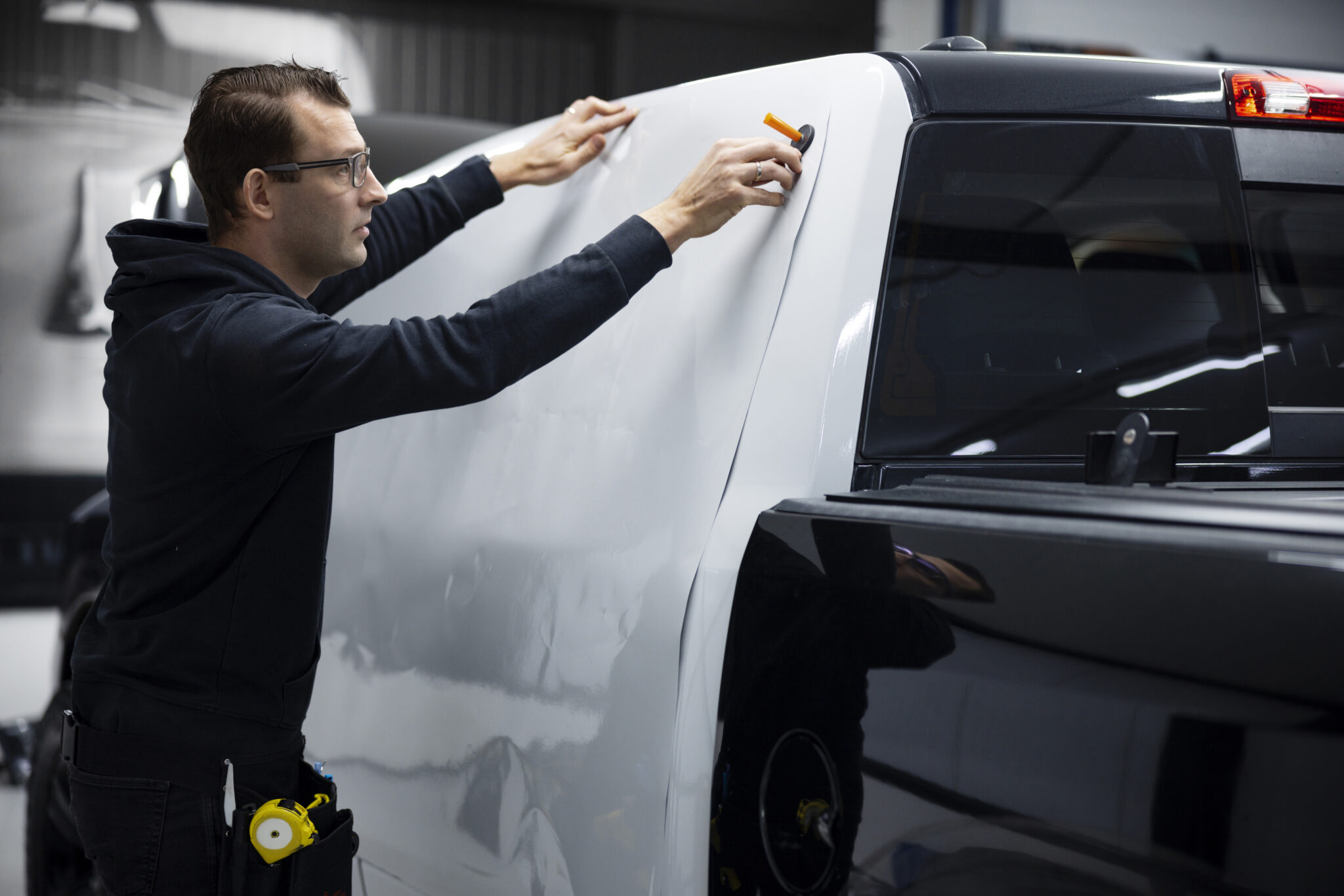
Choosing a window tint shade involves more than deciding how much privacy or heat reduction you want. The film must also comply with the rules that apply to your vehicle and the windows being tinted. Drivers researching car window tinting through Diamond Tints should understand the importance of checking current Georgia requirements before selecting a shade, because a film that looks appropriate on another vehicle may not be legal for theirs.
Why Tint Legality Should Come Before Shade Selection
Window tint affects how much visible light passes through vehicle glass. That can influence appearance, privacy, and comfort, but it can also affect the visibility of the driver and other road users.
Tint regulations establish boundaries for how dark or reflective certain windows may be. The exact requirements can depend on the vehicle category, the window's location, and applicable exceptions. This is why choosing a shade first and checking legality afterward can lead to unnecessary expense.
A driver might select a dark film because it looks attractive in photographs, only to discover that the shade does not meet the applicable requirement. Removing or replacing film can involve additional cost and time. Checking the rules before installation is the more practical approach.
Tint laws should also be treated as a compliance issue rather than a cosmetic preference. A responsible installer can help explain the options, but the vehicle owner should understand the rules that apply to their vehicle and verify the information against current official guidance.
Understand Visible Light Transmission
Visible light transmission, or VLT, is one of the most important terms in window tinting. It describes the percentage of visible light that passes through a glazing system. A lower VLT generally means a darker window, while a higher VLT means more visible light passes through.
It is important to distinguish the film's advertised VLT from the final result after installation. Factory glass may already have a tint or color, particularly on some rear windows. Applying film to that glass can change the combined light transmission.
For this reason, asking for the film's percentage alone may not be enough. You should understand whether the quoted value refers to the film by itself or the final glass-and-film combination.
This distinction is especially important when a legal limit applies to the completed window. If you are close to a threshold, a professional measurement and clear explanation can help reduce the risk of choosing an unsuitable shade.
Why Different Windows May Have Different Requirements
Tint regulations do not necessarily apply identically to every window. Front side windows, rear side windows, rear windshields, and the front windshield may be treated differently under the relevant rules.
The windshield deserves particular attention because restrictions may apply to the location, width, or type of film permitted. A film intended for a side window should not automatically be assumed suitable for the windshield.
Vehicle classification can also matter. Passenger vehicles, multipurpose vehicles, and other categories may be subject to different provisions. If you drive a truck, SUV, van, or a vehicle with a special registration or configuration, verify which category applies before choosing a product.
Do not rely on general statements such as “this shade is legal everywhere” or “the same tint works on every vehicle.” The applicable rule must be checked for the specific vehicle and window.
How to Verify Current Georgia Tint Requirements
Start with official information
Use current Georgia government resources and applicable state law to confirm the rules. Official legal text and government guidance are more reliable than an old social media post, a forum comment, or a generic tint chart that may not explain its source.
When reviewing a legal source, make sure it applies to Georgia and is current. Rules can change, and online summaries may omit exceptions or technical details.
If a rule is difficult to interpret, consult a qualified professional or the appropriate state authority rather than relying on an assumption. This is particularly important when your vehicle falls into a special category or you have questions about medical exceptions.
Confirm the vehicle category
Identify how your vehicle is classified under the relevant regulations. Do not assume that two vehicles with similar body styles necessarily fall under the same legal category.
The registration documents, manufacturer information, or official state guidance may help clarify the classification. If you remain uncertain, ask the relevant authority or a qualified professional before purchasing film.
Check each window individually
Write down which windows you intend to tint and confirm the rules that apply to each one. This prevents a common mistake: choosing one shade for the entire vehicle without considering that different windows may have different restrictions.
Also ask whether there are requirements concerning reflectivity, colors, labels, or other installation details. A tint may meet a darkness requirement while still raising a separate compliance question.
Keep a record of your selection
Once you have selected a film, retain the product information and the installation details. If a question arises later, these records may help identify the film that was used and the specifications represented at the time of installation.
Documentation does not guarantee compliance, but it makes it easier to review the choice and communicate clearly with the installer.
Why Factory Glass Can Complicate Tint Decisions
Many vehicles have glass that appears darker at the rear than at the front. The original glass may have a factory tint, privacy glass, or another feature that changes the way it looks.
Privacy glass and aftermarket film are not necessarily the same thing. Privacy glass may reduce visible light through the glass without providing the same performance characteristics as a separately applied film. If you add aftermarket tint, the combined result may be darker than expected.
This can complicate both appearance and compliance. Before installing additional film, ask whether the existing glass should be measured and how the new film is expected to affect the finished VLT.
It is also useful to distinguish appearance from solar performance. A window that looks dark is not automatically the best option for managing heat. If comfort is the primary goal, compare documented performance specifications while keeping legal limits in mind.
Balancing Privacy, Comfort, and Visibility
Legal compliance is only one part of a good tint decision. You also need to consider how the vehicle is used.
Drivers who frequently travel at night may prefer a shade that preserves more visible light. People who regularly park in direct sunlight may prioritize solar heat management. Those who want a more private appearance may prefer a darker look, provided it complies with the applicable rules.
These goals can sometimes conflict. Darker film may offer a particular aesthetic, but it can also reduce visibility in low-light conditions. A lighter, performance-oriented film may be more appropriate for someone who wants to manage solar energy without choosing a very dark shade.
Think about the environments in which you drive: urban streets, poorly lit roads, highways, parking garages, and changing weather conditions. The most suitable shade should support safe use of the vehicle, not merely look appealing when it is parked outdoors.
Medical Exceptions and Special Circumstances
Some jurisdictions provide specific provisions or exceptions for particular medical circumstances or vehicle categories. These provisions should never be assumed to apply automatically.
If you believe an exception may be relevant, review the current official requirements. Determine whether an application, medical documentation, permit, or other process is required, and whether the exception applies to the specific windows in question.
Do not rely solely on an installer or an online discussion to establish eligibility. Legal exceptions can have detailed conditions, and an incorrect assumption may lead to a compliance problem.
The safest approach is to verify the applicable procedure with the responsible authority before installation.
What to Ask a Window Tint Installer
A useful conversation should cover more than which shade looks best. Ask the installer which film options are available, what their VLT specifications are, and whether those specifications refer to the film or the completed glass system.
Ask how the installer handles factory-tinted glass and how the final shade is selected to meet applicable requirements. If reflectivity or windshield placement is relevant, clarify those details before approving the work.
You should also ask about the installation process, warranty terms, aftercare, and what documentation you will receive. A clear answer helps you compare providers and understand the product you are purchasing.
An installer can provide practical guidance, but legal responsibility should not be treated as something that automatically transfers to the business. The vehicle owner should independently verify important compliance questions, particularly if the circumstances are unusual.
Common Myths About Tint Legality
One common myth is that any tint sold by a professional shop must be legal for every vehicle. Products can be available in multiple shades and specifications, and suitability depends on how and where the film is used.
Another misconception is that a tint is legal simply because another driver has the same appearance. Their vehicle category, original glass, installation date, or circumstances may differ.
A third mistake is assuming that a film's heat rejection proves it is compliant. Solar performance and legal VLT are separate considerations. A product may perform well in one category without satisfying every rule that applies to a particular window.
Finally, avoid treating an old online chart as definitive legal advice. Check the source, date, jurisdiction, and vehicle category before relying on it.
A Practical Checklist Before Installation
Before booking, identify your vehicle category and the windows you want tinted. Verify current Georgia rules from an official source, including any requirements related to VLT, reflectivity, windshield placement, and applicable exceptions.
Next, compare film specifications and ask how the final glass-and-film combination will be evaluated. Confirm the product details in writing, review the warranty, and retain your receipt and installation information.
If anything remains unclear, resolve the question before the film is applied. This is much easier than discovering a potential compliance problem after the installation has been completed.
Conclusion: Choose a Shade You Can Enjoy With Confidence
A good tint decision combines appearance, comfort, visibility, and legal compliance. Understanding VLT, checking the rules for each window, and accounting for factory glass can help you avoid costly mistakes and select a film that suits your vehicle.
Because legal requirements may change, verify the latest official Georgia guidance before installation rather than relying on an unverified chart or an old online summary. To discuss suitable film options and your vehicle's needs, explore Diamond Tints' window tinting services and make compliance part of the selection process from the beginning.
What's Your Reaction?
 Like
0
 Dislike
0
 Love
0
 Funny
0
 Angry
0
 Sad
0
 Wow
0





