













Granuloma Annulare Supplements vs. Medical Treatment
Before starting supplements or choosing a treatment, consult a qualified healthcare professional. An evidence-based approach can help you understand the available options, avoid unnecessary products, and manage granuloma annulare with realistic expectations.
Granuloma annulare is a skin condition that causes small, firm bumps that may form circular or ring-shaped patches. Although it is generally harmless, the visible lesions can cause concern, especially when they persist for months or return after disappearing. People looking for ways to manage this condition often compare nutritional supplements with medical treatment to understand which option may be more appropriate.
Granuloma Annulare Supplements are commonly discussed as a way to support skin health through vitamins, minerals, and other nutrients. Medical treatment, in contrast, focuses on managing the diagnosed skin condition using approaches recommended by a qualified healthcare professional.
Understanding the difference between these options is important. Supplements may help address nutritional deficiencies, but they have not been proven to cure granuloma annulare. Medical treatments may help improve lesions in selected cases, although results vary between individuals.
What Is Granuloma Annulare?
Granuloma annulare is an inflammatory skin condition characterized by raised bumps that often develop into ring-shaped or curved patches. The lesions commonly appear on the hands, fingers, feet, and ankles, although other areas of the body may also be affected.
The patches can be skin-colored, pink, reddish, purple, or brown, depending on the person's skin tone. Some individuals develop only a few localized lesions, while others experience more widespread skin changes.
The exact cause of granuloma annulare remains uncertain. Inflammatory and immune-related processes may be involved, but the condition is not fully understood. It is generally not contagious and is not usually caused by a typical bacterial or fungal infection.
Some cases improve without treatment, while others remain visible for an extended period or recur. Because other skin conditions can resemble granuloma annulare, a dermatologist may need to examine the lesions to confirm the diagnosis.
Common Symptoms
Granuloma annulare may present with the following features:
● Small, firm bumps arranged in circular or curved patterns.
● Raised patches that may be skin-colored or appear in different shades.
● Lesions commonly affecting the hands, fingers, feet, or ankles.
● Little or no itching in many cases, although symptoms can vary.
● Skin changes that persist for months or longer.
These symptoms do not automatically indicate a vitamin deficiency. Taking supplements without confirming the diagnosis or identifying a nutritional need may not provide any benefit.
What Are Granuloma Annulare Supplements?
Granuloma Annulare Supplements refers to nutritional products that people may consider while looking for ways to support skin health alongside this condition. These products may contain vitamins, minerals, antioxidants, or fatty acids.
Common ingredients include vitamin C, vitamin D, zinc, vitamin E, omega-3 fatty acids, and biotin. Each has a role in normal bodily functions, but their general health benefits should not be confused with proven treatment for granuloma annulare.
For example, vitamin C contributes to normal collagen formation, zinc supports normal immune function, and vitamin D plays a role in immune regulation. However, there is insufficient high-quality evidence to establish that taking additional amounts of these nutrients clears granuloma annulare lesions.
Supplements may be useful when a person has a confirmed nutritional deficiency or cannot obtain enough of a nutrient through their diet. They are not automatically necessary for everyone with a skin condition.
Do Supplements Actually Treat Granuloma Annulare?
At present, no specific vitamin, mineral, or supplement combination has been established as a reliable cure for granuloma annulare. Research into nutritional supplements and skin health does not necessarily demonstrate that those products are effective against this particular condition.
A supplement may help correct a deficiency, but correcting a deficiency is different from treating the underlying skin disease. People should therefore be cautious about products that promise to remove granuloma annulare permanently or produce guaranteed results.
Before starting a supplement, review its ingredients and dosage and discuss possible side effects or medicine interactions with a qualified healthcare professional.
What Is Medical Treatment for Granuloma Annulare?
Medical treatment aims to manage the skin condition itself. The appropriate approach depends on the location and extent of the lesions, their persistence, associated symptoms, and the individual's medical circumstances.
Because granuloma annulare is often harmless, treatment is not always necessary. A dermatologist may recommend observation when the lesions are not troublesome, as some cases improve naturally.
When treatment is appropriate, several options may be considered.
1. Observation and Monitoring
For mild cases, a dermatologist may recommend monitoring the lesions rather than beginning treatment immediately. This approach can be suitable when the condition has been accurately diagnosed and does not cause significant discomfort.
Observation does not mean ignoring the condition. If the lesions change, spread, or develop new symptoms, further medical assessment may be needed.
2. Topical Corticosteroids
A healthcare professional may prescribe topical corticosteroids to help manage inflammation in selected cases. The appropriate medicine and duration depend on the affected area and the characteristics of the lesions.
These medicines should be used according to professional instructions because inappropriate or prolonged use can cause side effects, including skin thinning.
3. Corticosteroid Injections
For certain localized lesions, a dermatologist may consider corticosteroid injections. These are administered by a qualified professional and are not necessary for every patient.
The suitability and potential results depend on the individual case. A dermatologist can explain the possible benefits and risks before treatment.
4. Other Treatment Options
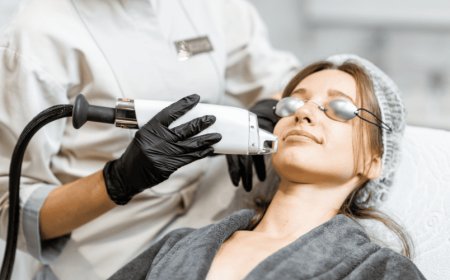
Persistent or widespread granuloma annulare may require additional treatment approaches. Depending on the circumstances, a dermatologist may discuss light-based treatment or selected prescription medicines.
The evidence and suitability of these options vary. Some treatments are supported by limited research, and none guarantees permanent clearance. A specialist can help determine which approach offers the most reasonable balance of benefits and risks.
Granuloma Annulare Supplements vs. Medical Treatment: Key Differences
Although supplements and medical treatments may both be considered during discussions about skin health, they serve different purposes.
|
Comparison |
Supplements |
Medical treatment |
|
Main purpose |
Provide nutrients or address deficiencies |
Manage the diagnosed skin condition |
|
Evidence for granuloma annulare |
No supplement has been established as a reliable cure |
Treatment options vary in evidence and effectiveness |
|
Expected results |
No established timeline for clearing lesions |
Results depend on the treatment and individual case |
|
Potential risks |
Excessive doses and interactions with medicines |
Side effects depend on the medicine or procedure |
|
Professional guidance |
Important, especially with high doses or existing medicines |
Important for diagnosis, treatment selection, and follow-up |
The main distinction is that supplements support nutritional needs, while medical treatment is selected specifically to manage the condition. Supplements should not be considered a substitute for a dermatologist's advice.
Which Option Works Better?
There is no single answer for every patient because the two approaches are not equivalent. If a person has a nutritional deficiency, appropriate supplementation may help correct that deficiency. However, there is no strong evidence that supplements alone reliably resolve granuloma annulare.
Medical treatment may be more appropriate when lesions are persistent, widespread, or causing concern. In other cases, observation may be sufficient because the condition can improve without intervention.
The best approach depends on an accurate diagnosis, the severity of the condition, and the individual's circumstances. A dermatologist can explain whether treatment is necessary and which options are reasonable.
Can Supplements and Medical Treatment Be Used Together?
In some situations, nutritional supplementation and medical treatment can be used at the same time. However, supplements should be chosen for a clear reason rather than added automatically to a treatment plan.
For example, a healthcare professional may recommend a nutrient supplement if a deficiency has been identified. The person may still need observation or medical treatment for granuloma annulare itself.
It is important to tell the healthcare professional about all supplements, vitamins, herbal products, and medicines being used. Some supplements can interact with medicines or cause problems when taken in excessive amounts.
Do not stop a prescribed treatment in favor of supplements without consulting the professional who manages your care.
Safety Considerations Before Choosing Supplements
Supplements are not risk-free simply because they contain vitamins, minerals, or natural ingredients. Their safety depends on the ingredients, dosage, product quality, and individual health circumstances.
Before using a product, consider the following:
● Check the dosage: High doses of certain vitamins and minerals can cause harm.
● Review the ingredients: Avoid products that do not clearly identify their ingredients and quantities.
● Consider interactions: Supplements may interfere with prescription medicines or laboratory tests.
● Be cautious of cure claims: Guaranteed results and promises of permanent clearance are not reliable evidence.
● Seek professional advice: A healthcare professional can help determine whether supplementation is necessary.
People who take regular medication, have an ongoing medical condition, or are pregnant or breastfeeding should seek professional guidance before starting supplements.
Best Treatment for Granuloma Annulare and Natural Herbs Clinic
Choosing the Best Treatment for Granuloma Annulare requires an accurate diagnosis and consideration of the lesions, symptoms, medical history, and available treatment options. A dermatologist can explain whether observation, topical medication, injections, or another approach is appropriate.
People researching supplements may also come across Natural Herbs Clinic while exploring natural health products. When evaluating any clinic or supplement provider, check that product information is transparent and that claims about treating granuloma annulare are supported by reliable evidence.
Natural ingredients are not automatically safe or effective. Herbal products may cause side effects or interact with medicines, and they should not be promoted as proven cures without adequate scientific evidence.
Conclusion
The comparison between Granuloma Annulare Supplements and medical treatment comes down to their different purposes. Supplements can help address nutritional deficiencies, but no specific supplement has been established as a reliable cure for granuloma annulare.
Medical treatment may help selected patients manage persistent or troublesome lesions, while observation may be suitable for cases that are likely to improve without intervention. The appropriate choice depends on the individual's diagnosis and circumstances.
Before starting supplements or choosing a treatment, consult a qualified healthcare professional. An evidence-based approach can help you understand the available options, avoid unnecessary products, and manage granuloma annulare with realistic expectations.
Medical Disclaimer
This article is for educational purposes only and does not constitute medical advice, diagnosis, or treatment. Supplements and herbal products are not proven cures for granuloma annulare. Consult a qualified healthcare professional or dermatologist before starting supplements or changing a prescribed treatment.
What's Your Reaction?
 Like
0
 Dislike
0
 Love
0
 Funny
0
 Angry
0
 Sad
0
 Wow
0