Hair Loss Treatment in Dubai for Stable Hairline Thinning
Hair Loss Treatment in Dubai for stable hairline thinning, mature hairlines, follicular assessment, and restoration planning.
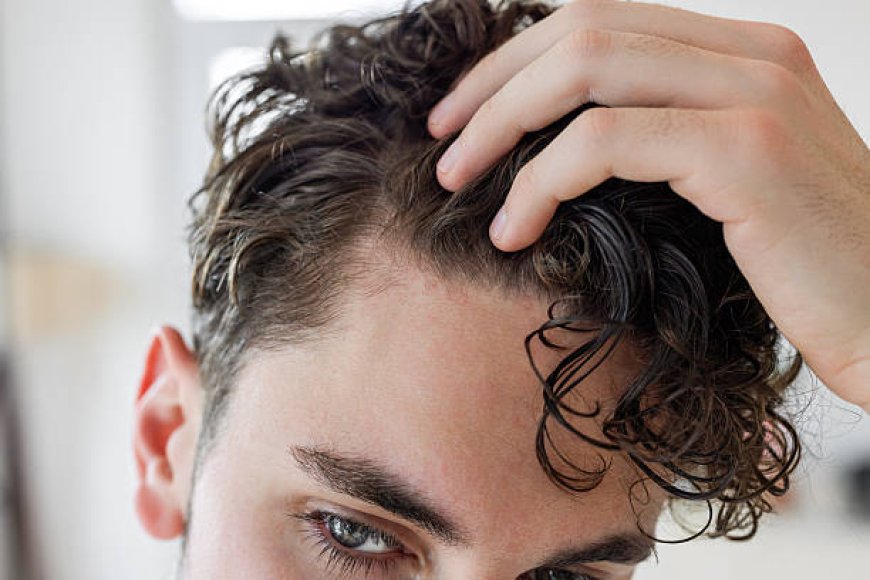
A thinning-looking hairline does not always mean active hair loss, particularly when the position and density have remained unchanged for years. Hair Loss Treatment in Dubai should first establish whether the hairline is genuinely progressing, naturally mature, or becoming less dense because of miniaturization or hair-shaft damage.
Why Hair Loss Treatment in Dubai Should Verify Hairline Stability
The frontal hairline is one of the most visually sensitive areas of the scalp.
Even a relatively small reduction in density can change the perceived shape of the face. Strong overhead lighting, wet hair, short hairstyles, and naturally fine strands can make a stable hairline appear significantly thinner than it actually is.
This creates an important diagnostic question: has the hairline changed, or has its appearance changed?
A patient who has maintained approximately the same frontal position for many years may not have active progressive alopecia. Another patient may have a similar-looking hairline but show clear follicular miniaturization on examination.
The two situations require very different decisions.
Hair Loss Treatment in Dubai and the Mature Hairline
Many men experience a natural change in the frontal hairline after adolescence.
The juvenile hairline can transition into a slightly higher or more defined mature configuration without representing ongoing pathological hair loss. The corners may become somewhat less rounded, while the overall pattern subsequently remains stable.
Treating every mature hairline as a medical problem can lead to unnecessary intervention.
The key consideration is stability.
Useful historical clues include:
- When the current hairline was first noticed
- Whether the temples have continued to recede
- Whether the frontal hairs have become progressively finer
- Whether the crown is also losing density
- Whether older photographs show meaningful progression
- Whether close relatives have advanced pattern hair loss
Historical photographs can be surprisingly valuable because gradual change is difficult to perceive when viewed in a mirror every day.
Hair Loss Treatment in Dubai for a Hairline That Looks Thin but Is Stable
A stable hairline can still appear sparse.
Hair calibre, colour contrast, hairstyle, scalp pigmentation, lighting, and the natural spacing of follicular units all influence perceived density.
Someone with dark hair and a lighter scalp may notice scalp visibility more readily than someone with similar follicular density but lower contrast.
Likewise, fine hair provides less visual coverage than coarse hair.
This is why a density concern should not automatically lead to a graft-based solution.
A clinical examination can determine whether follicles are actually being lost or whether existing follicles are simply producing naturally fine shafts.
Hair Loss Treatment in Dubai and Frontal Follicle Assessment
The frontal region requires careful examination because the hairline contains several distinct anatomical zones.
The leading edge contains finer hairs that create a natural transition between forehead and denser scalp hair. Behind this transition zone, follicular units generally become stronger and provide greater visual coverage.
A transplant designed without respecting this progression can produce an unnaturally abrupt appearance.
Assessment may therefore examine:
- Frontal transition hairs
- Temporal angles
- Hairline density
- Hair-shaft diameter
- Follicular unit distribution
- Existing miniaturization
- Donor-zone quality
- Scalp-to-hair colour contrast
The objective is not merely to determine whether the hairline looks thin.
It is to understand why it looks thin.
Hair Loss Treatment in Dubai and the Value of Long-Term Photographs
When the question is whether a hairline is stable, photographs can provide evidence that a single consultation cannot.
Older photographs can reveal whether the temples have gradually moved backward, whether the frontal zone has become more transparent, or whether the current appearance has remained substantially unchanged.
For clinical monitoring, standardized images are even more useful.
The same lighting, camera position, hair length, and direction should be used whenever possible. Otherwise, differences in styling can create the impression of progression where none exists.
This is particularly important for patients considering surgery.
A transplant decision based on one photograph may not adequately account for the patient's actual long-term pattern.
Hair Loss Treatment in Dubai for Distinguishing Recession From Miniaturization
Hairline recession and hairline miniaturization can occur together, but they are not identical.
Recession refers primarily to a change in the position of visible hair coverage. Miniaturization refers to a reduction in the diameter and quality of the hairs produced by susceptible follicles.
A patient can therefore have a relatively stable hairline position while still experiencing progressive thinning behind it.
Conversely, someone may have a higher mature hairline with healthy, robust follicles and no meaningful ongoing loss.
What the Pattern Can Tell You
| Hairline finding | More consistent with | Assessment priority |
|---|---|---|
| Stable position with strong hairs | Mature or naturally higher hairline | Monitor rather than assume active loss |
| Gradual temple movement | Patterned recession | Evaluate progression |
| Finer hairs behind frontal edge | Miniaturization | Examine follicular calibre |
| Sudden diffuse shedding | Growth-cycle disruption | Investigate recent triggers |
| Short broken hairs | Shaft damage | Review styling and chemical exposure |
| Stable low density with fine strands | Natural hair characteristics | Assess expectations |
| Recession plus crown thinning | Broader patterned loss | Consider long-term progression |
This distinction helps prevent over-treatment.
Hair Loss Treatment in Dubai Before Choosing a Hair Transplant
A hair transplant can be highly effective when permanent hair loss has created a suitable recipient area and adequate donor follicles are available.
But surgery is not automatically the best first step for a stable-looking hairline.
The clinician must determine whether there is enough genuine density loss to justify using donor grafts. The patient's age, future progression risk, donor reserves, facial proportions, and expectations should also be considered.
Hairline surgery is especially sensitive because even a small number of poorly positioned grafts can alter the overall appearance.
The leading edge should generally transition gradually rather than resemble a dense, straight row of transplanted follicles.
When Surgical Restoration May Make Sense
Transplant assessment becomes more relevant when:
- The hairline has a documented area of permanent density loss.
- The pattern is sufficiently established for meaningful planning.
- The donor zone contains adequate healthy follicles.
- The patient's expectations are realistic.
- The long-term progression has been considered.
- The proposed hairline is anatomically appropriate.
A stable hairline can actually make surgical planning easier when genuine loss is clearly documented because the clinician has a more reliable reference point.
Hair Loss Treatment in Dubai for Patients With Fine Frontal Hair
Fine frontal hair requires particularly careful interpretation.
The hairline may contain naturally finer transitional hairs, making it appear less dense than the areas behind it. Attempting to create excessive density at the leading edge can produce an artificial result.
Instead, restoration planning should account for the gradual transition from finer frontal hairs to stronger terminal hairs.
For patients with existing miniaturization, the clinician should also consider whether the native hairs surrounding a transplanted region are likely to remain stable.
Adding grafts without accounting for ongoing native-hair loss can eventually produce an unnatural contrast between transplanted and miniaturized hairs.
Hair Loss Treatment in Dubai and Non-Surgical Management
When the follicles are still present and the issue involves early thinning rather than complete follicular loss, non-surgical treatment may be considered.
Depending on the diagnosis, options can include medical management or regenerative procedures such as PRP.
PRP involves concentrating platelets from the patient's own blood and administering the preparation through targeted scalp injections. It is generally more relevant to viable follicles than completely absent follicles.
Other regenerative approaches may also be considered for selected patients.
The treatment objective should remain realistic: supporting existing follicular function is different from recreating follicles that have permanently disappeared.
Hair Loss Treatment in Dubai and Hairline Preservation
A stable hairline does not mean that no maintenance is required.
If the patient has early miniaturization, preserving the existing frontal density can be more valuable than waiting until the hairline visibly recedes.
This is where regular assessment becomes useful.
Changes can be tracked before they become cosmetically obvious, allowing treatment decisions to be based on documented progression rather than anxiety caused by a single photograph or a particularly bad hair day.
Patients researching hair restoration and aesthetic care in Dubai can benefit from this type of longitudinal approach when deciding whether their hairline requires intervention.
Hair Loss Treatment in Dubai and Dubai Lifestyle Factors
The appearance of a stable hairline can fluctuate considerably with everyday conditions.
Dubai's heat, strong sunlight, sweating, frequent swimming, air-conditioned indoor environments, and regular styling can affect hair texture and scalp comfort.
Heat and chemical processing can also increase shaft breakage, particularly in fine or previously treated hair.
However, these factors should not be confused with follicular recession.
A damaged hair shaft can make the hairline look less substantial without changing the underlying number of functioning follicles. Conversely, genuine miniaturization occurs at the follicular level and requires a different assessment.
Separating these mechanisms prevents a cosmetic hair-quality concern from being mistaken for progressive alopecia.
Hair Loss Treatment in Dubai Should Be Based on Evidence of Progression
The most important question for a stable hairline is not simply, “Does it look thin?”
It is, “Is it changing?”
A combination of historical photographs, physical examination, trichoscopic assessment, hair calibre evaluation, and family history can provide a much clearer answer.
If no meaningful progression is found, monitoring may be more appropriate than aggressive intervention.
If miniaturization is detected, early treatment may help preserve existing hair. If permanent loss is confirmed, surgical restoration can be evaluated with a more accurate understanding of the patient's donor resources and long-term needs.
This approach protects both the patient's hair and their future treatment options.
The Strategic Investment in Hair Loss Treatment in Dubai
A stable-looking hairline should not be treated simply because it appears less dense than expected. The distinction between a mature hairline, naturally fine frontal hair, shaft damage, and active follicular miniaturization determines whether intervention is necessary.
The most responsible strategy is to establish a baseline, document progression, assess follicular calibre, and match treatment intensity to the actual degree of hair loss.
For patients seeking individualized evaluation of hairline density and long-term restoration options, Tajmeels Clinic can provide a structured assessment in Dubai before a surgical or non-surgical treatment pathway is selected.
What's Your Reaction?
 Like
0
 Dislike
0
 Love
0
 Funny
0
 Angry
0
 Sad
0
 Wow
0