















Hair Transplant in Al Ain for Bald Spots After Hair Loss
Hair Transplant in Al Ain can address selected bald spots by assessing the cause, donor supply, scar tissue and graft placement needs.
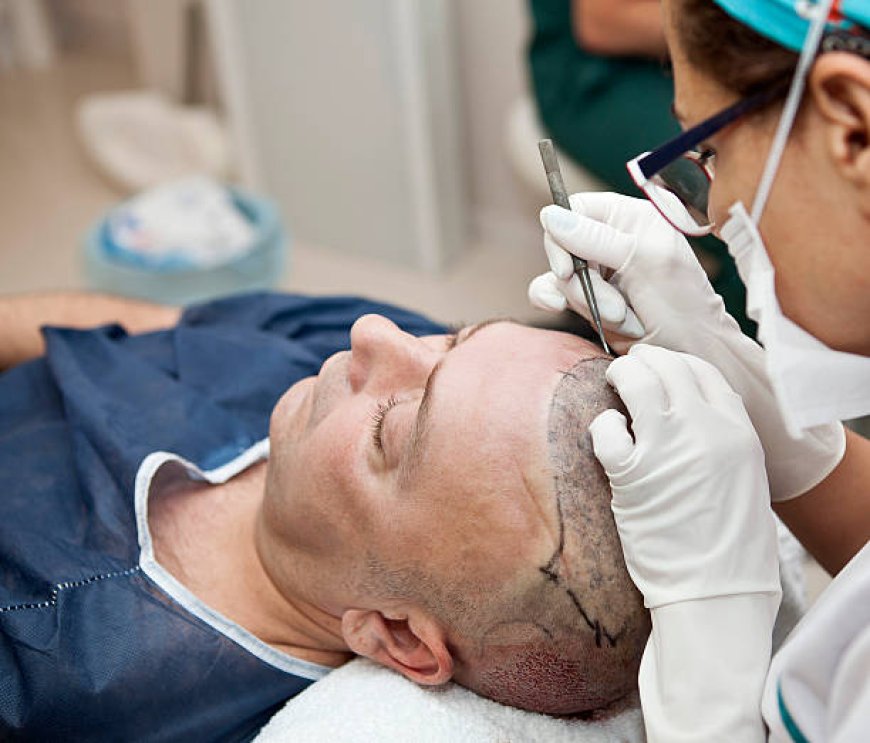
A clearly defined bald spot can look very different from gradual thinning. Hair Transplant in Al Ain may help restore selected areas when the cause of hair loss is understood and the surrounding donor follicles are suitable for transplantation.
The important first step is identifying why the bald spot developed. A stable area caused by a previous injury, localized hair loss, or a pattern-related change may require a very different strategy from an actively expanding patch.
Understanding the Cause of a Bald Spot
Pattern-Related Hair Loss
Some bald areas develop as part of a broader pattern of hair loss. The crown is a common example, where density can gradually decrease while the surrounding hair also becomes thinner.
In these cases, the clinician must consider both the visible bald spot and the possibility of future loss around it.
Hair Loss After Injury
A localized bald patch can also appear after an injury or surgical procedure. Scar tissue behaves differently from normal scalp tissue because its blood supply, elasticity, and follicular structure may be altered.
Graft placement therefore needs to account for the condition of the recipient tissue.
Localized Hair Loss Conditions
Not every bald patch is suitable for immediate transplantation. If hair loss is active or its cause remains uncertain, further assessment may be needed before surgical restoration is considered.
How the Recipient Area Is Evaluated
Examining the Scalp
The clinician may look at the size and shape of the bald area, the condition of surrounding follicles, scalp tissue quality, and the stability of the hair loss.
Important considerations can include:
- Size and location of the bald spot
- Presence of scar tissue
- Hair density around the affected area
- Donor follicle availability
- Direction of surrounding hair
- Evidence of ongoing hair loss
Matching Existing Hair Direction
A small restoration can still look unnatural if grafts are placed at the wrong angle.
The transplanted follicles need to follow the visual pattern of nearby hair. This becomes particularly important around the frontal scalp, temples, and areas where hair naturally changes direction.
Choosing Grafts for a Localized Area
Small Bald Spots
A small patch may require a relatively limited number of grafts compared with extensive scalp restoration. However, the number should be based on the desired visual density and the characteristics of the surrounding hair.
A high graft count is not automatically necessary.
Larger Areas
When the bald region is larger, the treatment plan must balance coverage with donor preservation.
The clinician may need to determine which portion should receive priority if complete coverage cannot be achieved with the available donor supply.
FUE and DHI for Bald Spot Restoration
FUE
FUE allows follicular units to be harvested individually from the donor region. It can be used when grafts need to be placed into a defined recipient area while keeping extraction controlled.
DHI
DHI can provide detailed control during implantation. This may be useful when the recipient area requires careful positioning among existing hairs.
Neither technique is universally suitable for every bald spot. The underlying cause, tissue quality, hair characteristics, and restoration objectives should guide the decision.
Patients researching hair transplant treatment in Al Ain should focus on the suitability of the treatment rather than selecting a technique solely because of its name.
Bald Spots With Scar Tissue Need Special Planning
Why Scarred Skin Is Different
Scar tissue can have reduced vascularity and altered tissue characteristics. These factors may influence graft survival and placement strategy.
The clinician may therefore assess whether the scar is mature and stable before considering transplantation.
Setting Realistic Expectations
Restoring hair over a scar does not guarantee the same growth response as transplantation into normal scalp tissue.
Patients should understand that results can vary depending on scar characteristics, blood supply, previous injury, and available donor follicles.
Questions Patients Often Ask
“Can One Small Bald Spot Be Treated Without Transplanting the Whole Scalp?”
In selected cases, yes. If the area is stable and the surrounding donor supply is adequate, treatment can be focused on the affected region.
“Will the Bald Spot Stay Covered Permanently?”
Transplanted follicles are generally selected for their long-term growth characteristics, but surrounding native hair can continue to thin. Future hair loss therefore needs to be considered during planning.
“Can Old Scalp Scars Receive Hair Grafts?”
Some mature scars can be treated, but suitability depends on tissue quality and blood supply. A clinical examination is needed before making that decision.
What the Treatment Plan Should Cover
A focused bald-spot restoration plan should answer several practical questions:
- What caused the hair loss?
- Is the affected area stable?
- What is the condition of the surrounding scalp?
- How many usable donor grafts are available?
- What density can reasonably be created?
- How should the new follicles follow the existing hair pattern?
This is especially important when the bald spot is small. Precision matters because even a limited number of incorrectly positioned grafts can be noticeable.
Recovery After Localized Transplantation
Recovery depends on the treatment area and the number of grafts placed. Patients may experience temporary redness, tenderness, crusting, or swelling during the early healing period.
The transplanted hairs may shed before new growth develops. This is part of the normal hair-growth cycle following transplantation and does not mean the procedure has failed.
When a Hair Transplant May Not Be Appropriate
Surgical restoration should not be treated as the automatic solution for every bald patch.
Further evaluation may be appropriate when:
- The patch is still expanding.
- The cause of hair loss is unclear.
- Donor density is insufficient.
- Significant scarring affects the recipient area.
- The surrounding native hair is rapidly deteriorating.
Treating the underlying issue first can sometimes be more appropriate than immediately placing grafts.
Final Thoughts
A bald spot may appear simple from the outside, but successful restoration depends on what caused it, how stable it is, and how the surrounding scalp and donor area behave.
For patients considering Hair Transplant in Al Ain, a personalized assessment can determine whether localized graft placement is appropriate and how the restored follicles should blend with existing hair. Tajmeels Clinic provides individualized hair restoration planning based on donor characteristics, recipient-area needs, and long-term goals.
What's Your Reaction?
 Like
0
 Dislike
0
 Love
0
 Funny
0
 Angry
0
 Sad
0
 Wow
0