






















Patient Privacy Monitoring: Improving Privacy Oversight in Healthcare
Healthcare organizations manage some of the most sensitive information available, from medical histories and treatment records to personal identifiers, billing details, and clinical notes.

Healthcare organizations manage some of the most sensitive information available, from medical histories and treatment records to personal identifiers, billing details, and clinical notes. As healthcare systems become increasingly digital, maintaining appropriate oversight of how patient information is accessed and handled has become more important.
Patient privacy monitoring helps healthcare organizations identify unusual access patterns, review user activity, and maintain greater visibility across electronic medical record environments. Solutions such as Intruno can support healthcare teams by continuously monitoring activity and helping organizations understand behavior across their digital healthcare systems.

What Is Patient Privacy Monitoring?
Patient privacy monitoring refers to the continuous observation and analysis of activity involving patient information within healthcare systems. Instead of relying entirely on occasional manual reviews, organizations can use automated monitoring technologies to identify activity that may require further investigation.
Healthcare employees need access to patient records to perform their responsibilities. However, access should generally be appropriate for their role and related to legitimate work. Monitoring can help organizations identify activity that falls outside expected patterns.
For example, a system may identify unusual activity involving a large number of patient records, repeated access to records outside normal working patterns, or activity that differs significantly from an individual's typical behavior.
The goal is not simply to collect activity logs. Effective monitoring helps transform large volumes of system activity into meaningful information that privacy and compliance teams can review.
Why Patient Privacy Monitoring Matters
Healthcare organizations process enormous amounts of sensitive information every day. Doctors, nurses, administrative employees, billing teams, technicians, and other authorized personnel may interact with patient records for legitimate reasons.
At the same time, traditional approaches to reviewing access logs can make it difficult to identify unusual behavior quickly. Large healthcare organizations can generate millions of activity records, making manual analysis inefficient.
Patient privacy monitoring provides a more consistent approach to reviewing activity. Instead of waiting for a complaint or conducting periodic reviews, organizations can maintain ongoing visibility into activity across their electronic medical record systems.
This can help privacy teams prioritize areas that deserve closer attention and reduce the amount of time spent manually reviewing routine activity.
How Behavioral Monitoring Works
Modern monitoring approaches can analyze patterns rather than simply looking for individual events. This distinction is important because unusual behavior is not always obvious when a single activity is viewed in isolation.
For example, accessing one patient record may be completely normal for a healthcare professional. However, accessing hundreds of unrelated records within a short period could represent a pattern that deserves attention.
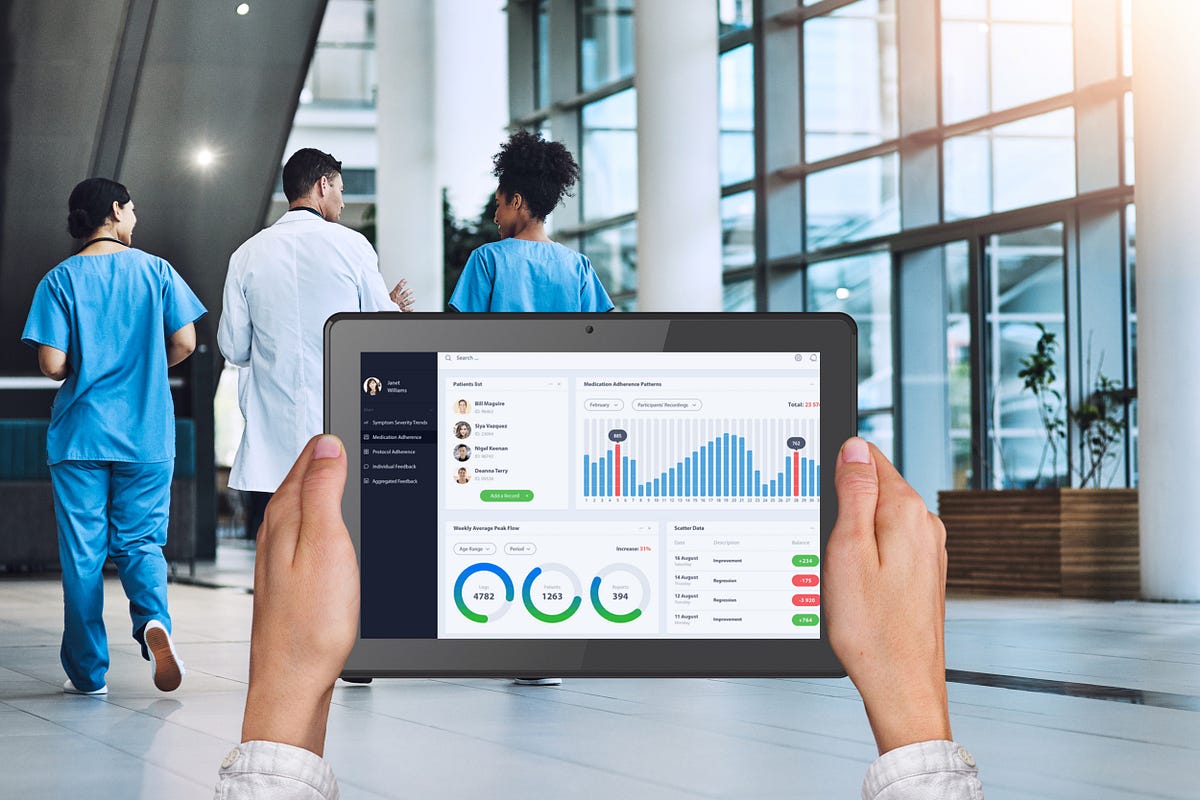
Behavioral analytics can establish an understanding of normal activity and identify significant deviations from those patterns. Factors such as access frequency, record volume, timing, user behavior, and other contextual signals can contribute to this analysis.
Intruno uses machine learning to help analyze behavior across healthcare environments. This approach can provide organizations with greater visibility into activity patterns while helping privacy teams focus their attention where it may be most valuable.
Supporting HIPAA Compliance
Healthcare organizations in the United States must take appropriate measures to safeguard protected health information and maintain appropriate controls around access and use.
Privacy monitoring can contribute to a broader compliance program by providing visibility into activity involving patient information. Monitoring records can also support internal reviews when organizations need to understand what happened during a particular event.
However, monitoring should be viewed as one component of a broader compliance framework. Policies, employee training, access controls, incident response procedures, risk assessments, and appropriate administrative safeguards remain important.
A monitoring platform can strengthen these processes by giving privacy and compliance teams better information about activity taking place across their healthcare systems.
Identifying Unusual Access Patterns
One of the key benefits of patient privacy monitoring is the ability to identify activity that differs from expected behavior.
Examples can include:
- Access to unusually large numbers of patient records
- Repeated access to records without an obvious operational reason
- Activity occurring at unusual times
- Access patterns that differ significantly from a user's normal behavior
- Employees viewing records outside their usual responsibilities
- Unexpected changes in how an account interacts with patient information
These signals do not automatically mean that inappropriate activity has occurred. Context is important, and legitimate clinical or administrative reasons may explain unusual behavior.
Instead, monitoring can help organizations identify activity that should be reviewed by the appropriate privacy or compliance personnel.
Reducing Manual Review Work
Privacy teams can face significant workloads when reviewing access activity manually. Healthcare organizations may have thousands of employees and numerous systems generating activity data simultaneously.
A technology-assisted approach can help reduce the amount of routine activity that requires manual attention. Automated analysis can process activity continuously and surface patterns that may otherwise be difficult to identify.
This allows privacy professionals to spend more time evaluating meaningful events instead of manually sorting through extensive logs.
For organizations looking to improve their privacy operations, Intruno can provide a technology-driven approach to monitoring behavior across electronic medical record environments.
Creating Greater Visibility Across Healthcare Systems
Patient information may move through multiple applications and workflows during normal healthcare operations. Limiting visibility to one isolated system can make it harder for organizations to understand broader behavioral patterns.
A comprehensive monitoring approach can provide greater visibility into activity across connected healthcare environments. This can help privacy teams develop a more complete understanding of how users interact with patient information.
Centralized visibility can also make it easier to investigate activity when a particular event requires additional review.
Privacy Monitoring and Insider Risk
Not every privacy issue originates outside an organization. Authorized users already have access to healthcare systems, which means organizations also need to understand how internal users interact with sensitive information.
This does not mean assuming that employees are acting improperly. Most healthcare professionals access records as part of legitimate responsibilities.
Instead, behavioral monitoring can help organizations identify significant deviations from normal activity. When unusual patterns appear, privacy teams can investigate them using appropriate organizational procedures.
This approach can make privacy oversight more proactive while allowing organizations to distinguish ordinary activity from behavior that warrants additional attention.
Choosing a Patient Privacy Monitoring Solution
Healthcare organizations evaluating monitoring technologies should consider several factors before selecting a solution.
The technology should be capable of handling large volumes of healthcare activity data while providing useful insights rather than simply producing additional logs. Integration with existing electronic medical record environments is also important because fragmented information can make monitoring more difficult.
Organizations should also consider how alerts are prioritized, how behavioral patterns are analyzed, and how privacy teams investigate potentially unusual activity.
Machine learning capabilities can be particularly useful when organizations need to analyze complex behavioral patterns across large healthcare environments.
Building a More Proactive Privacy Program
Healthcare privacy programs continue to evolve as organizations adopt more digital systems and increasingly complex workflows. A proactive approach can help organizations understand activity before a potential privacy issue becomes a larger problem.
Patient privacy monitoring can provide an important layer of visibility by continuously analyzing activity and highlighting behavior that differs from established patterns.
For healthcare organizations seeking greater insight into activity across electronic medical record systems, Intruno combines machine learning with behavioral monitoring to help privacy teams identify patterns that may require attention.
By incorporating monitoring into a broader privacy and compliance strategy, healthcare organizations can improve visibility, support more efficient reviews, and build a stronger understanding of how patient information is being accessed throughout their digital environment.
Conclusion
Protecting patient information requires more than policies and periodic audits. Healthcare organizations need ongoing visibility into how users interact with sensitive records and systems.
Patient privacy monitoring offers a proactive way to analyze activity, identify unusual behavioral patterns, and support privacy teams in their daily oversight responsibilities. With technologies such as Intruno, organizations can use machine learning to analyze activity across electronic medical record environments and focus attention on patterns that may warrant further review.
As healthcare becomes increasingly digital, continuous behavioral visibility can play an important role in helping organizations build more effective and responsive privacy programs.
What's Your Reaction?
 Like
0
 Dislike
0
 Love
0
 Funny
0
 Angry
0
 Sad
0
 Wow
0